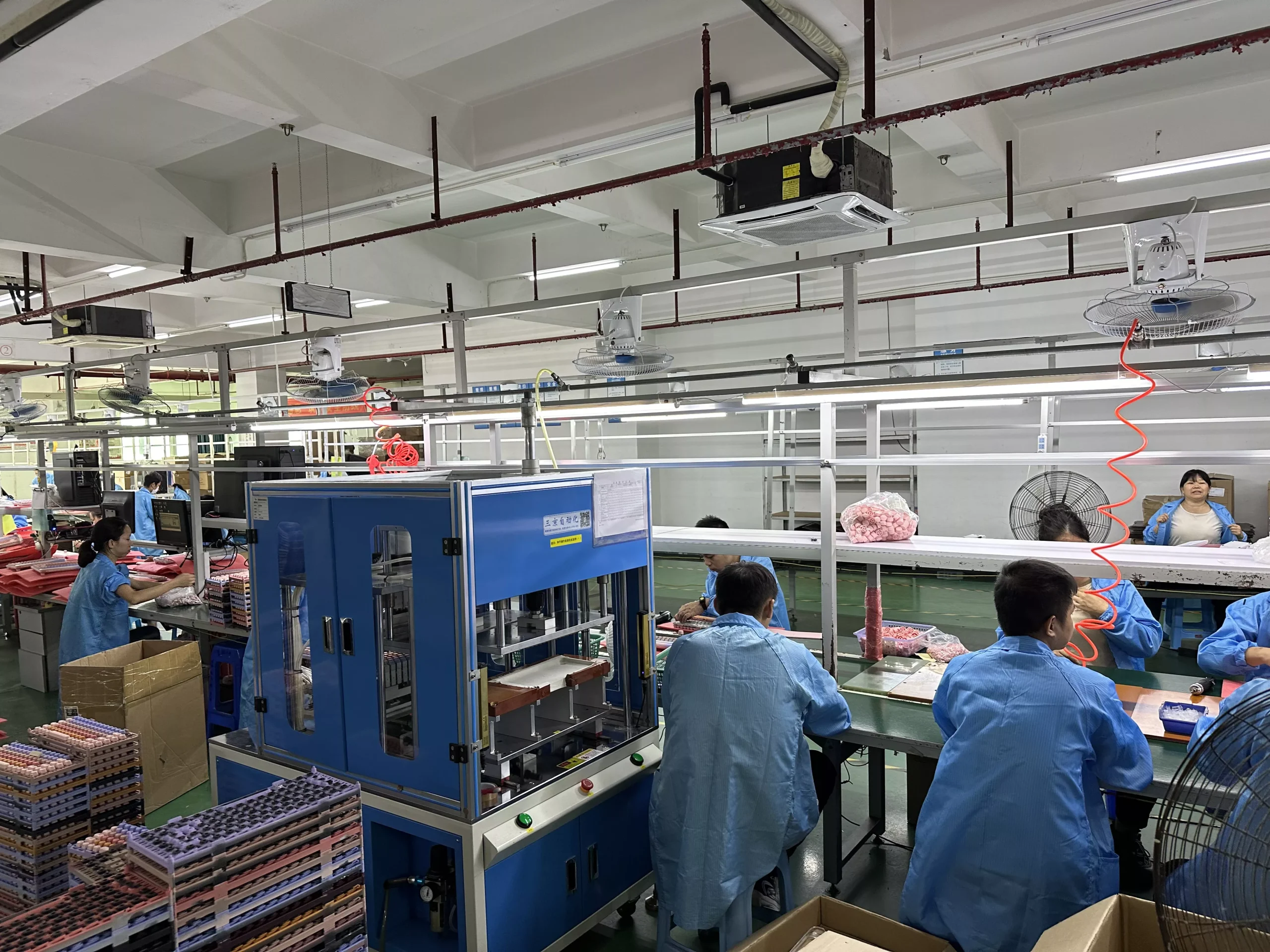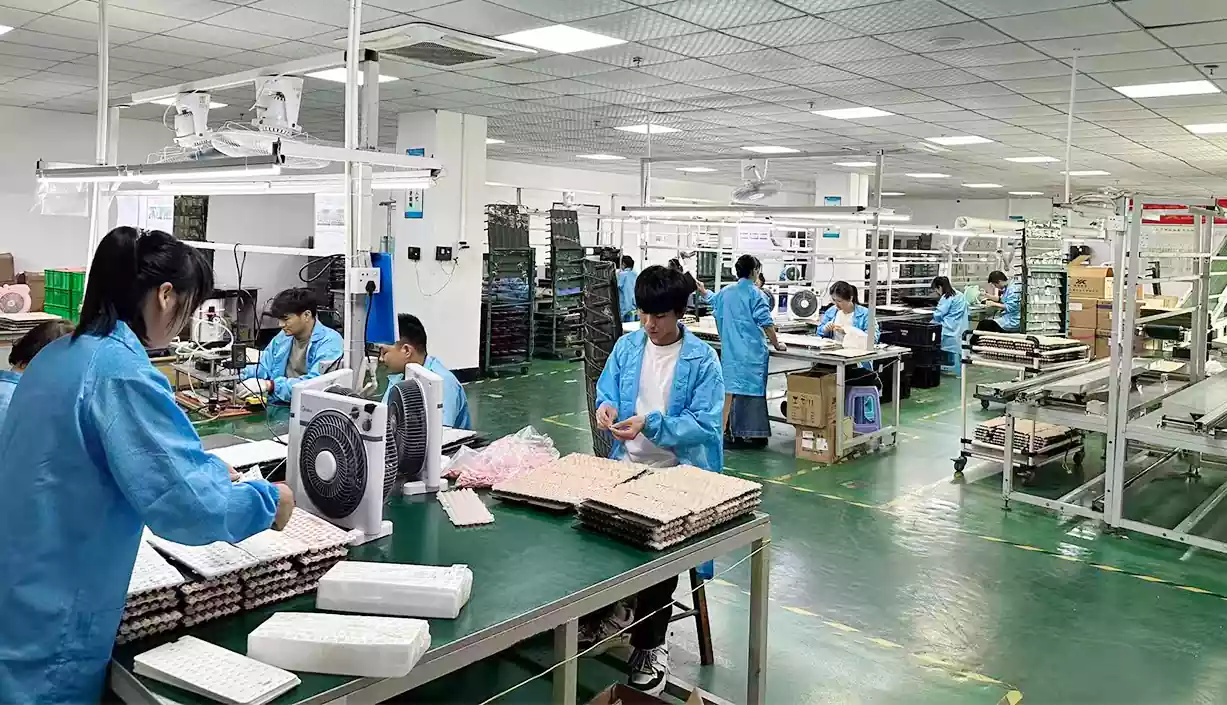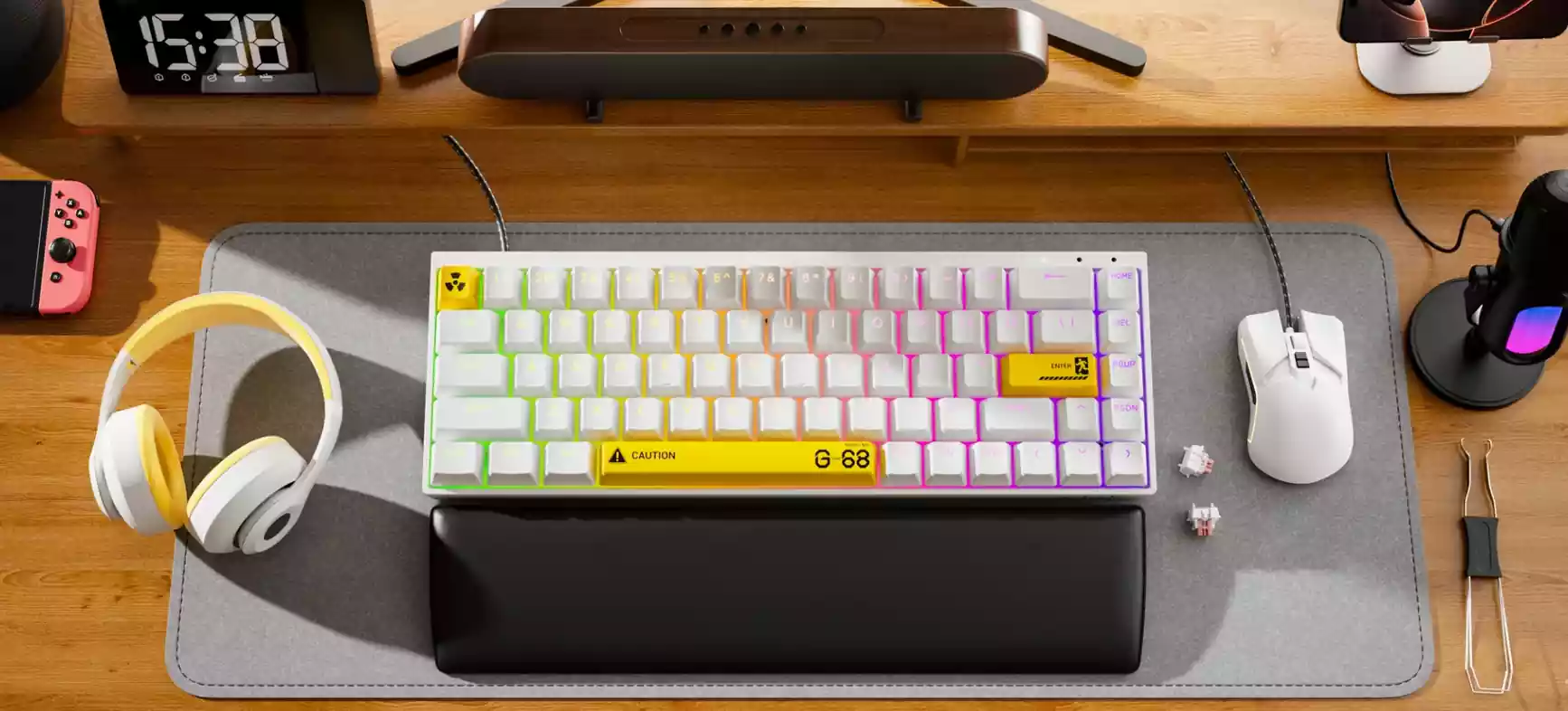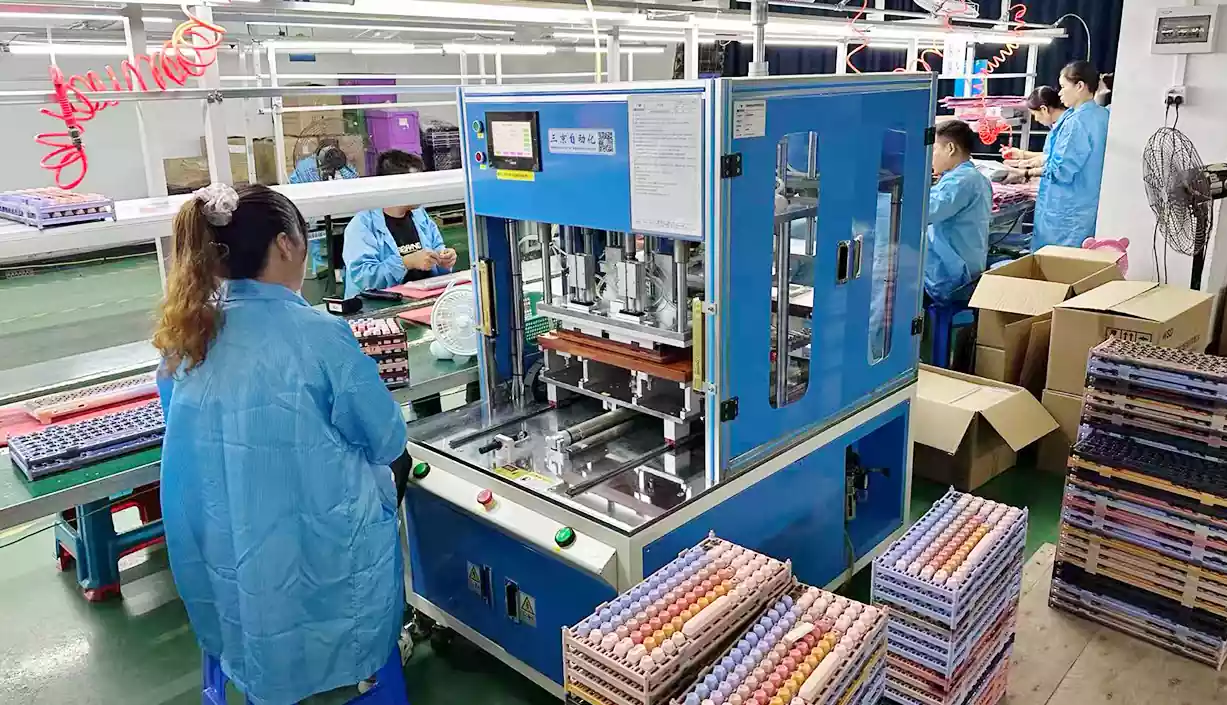
2026’s global keyboard market is in the middle of a huge shakeup—old legacy brands are losing their edge, homegrown players are stepping up big time, and AI integration plus green manufacturing have become the real competitive drivers for any keyboard factory worth its salt. Whether you’re a brand owner hunting for solid OEM/ODM partners, a retailer scouting top-quality supply sources, or a gear enthusiast trying to wrap your head around the industry’s ins and outs, knowing how to spot a reliable manufacturer and keep up with the latest trends is make-or-break. This piece breaks down the key things to look for when choosing a keyboard factory, plus unpacks the biggest new shifts in the space—so you can cut through the market noise without breaking a sweat.
Key Things to Check When Vetting a Reliable Keyboard Manufacturer
Picking a keyboard factory isn’t just about haggling over price tags. You need to size them up across the board: production capacity, technical chops, quality control, and how tough their supply chain really is. Especially now that user needs are all over the place and products are updating faster than ever, these factors don’t just matter—they make or break your partnership.
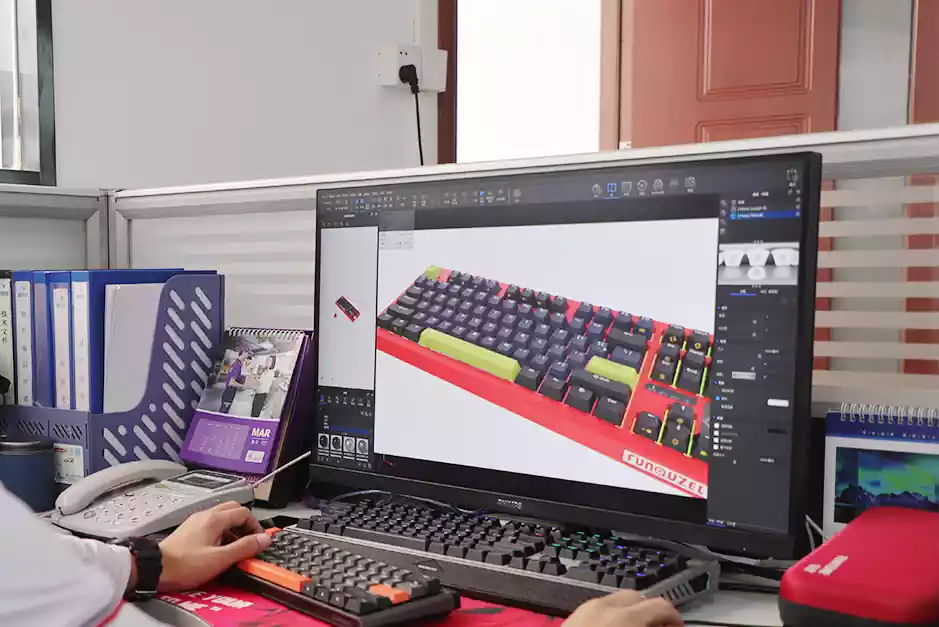
First, technical research and development capabilities are the core criterion. A qualified manufacturer should have in-depth research on key components such as switches and keycaps. For example, with the rise of hall effect magnetic switches in the mid-to-high-end gaming market, manufacturers that can independently develop or customize switches according to customer needs have obvious advantages. Unlike the outdated production model of some traditional brands, leading manufacturers now iterate new switch technologies on a monthly basis, adjusting actuation travel, force, and material according to user feedback . In addition, the integration capability of intelligent functions such as AI voice transcription and multi-device synchronization is also a key indicator to measure R&D strength—products with mature intelligent modules can better meet the needs of content creators and office workers.
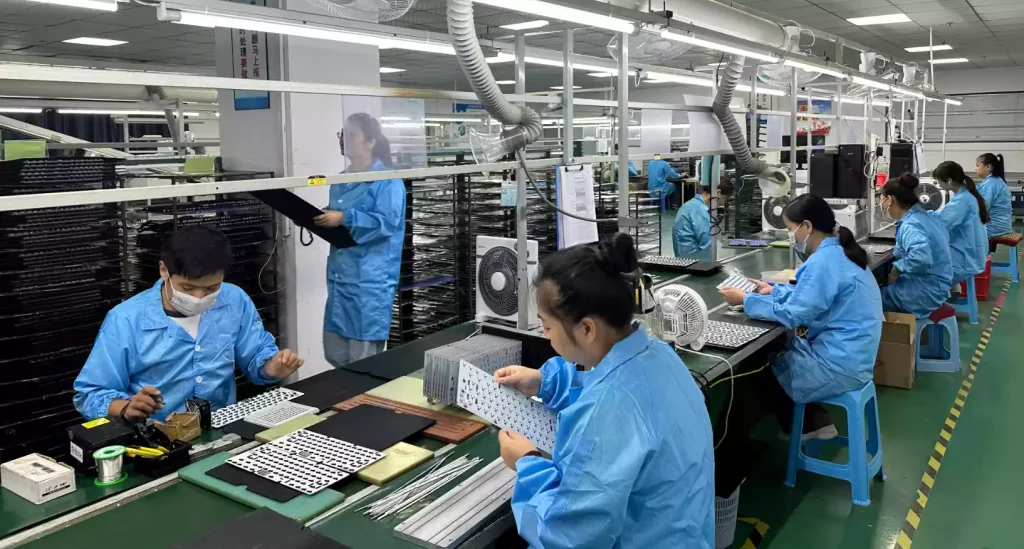
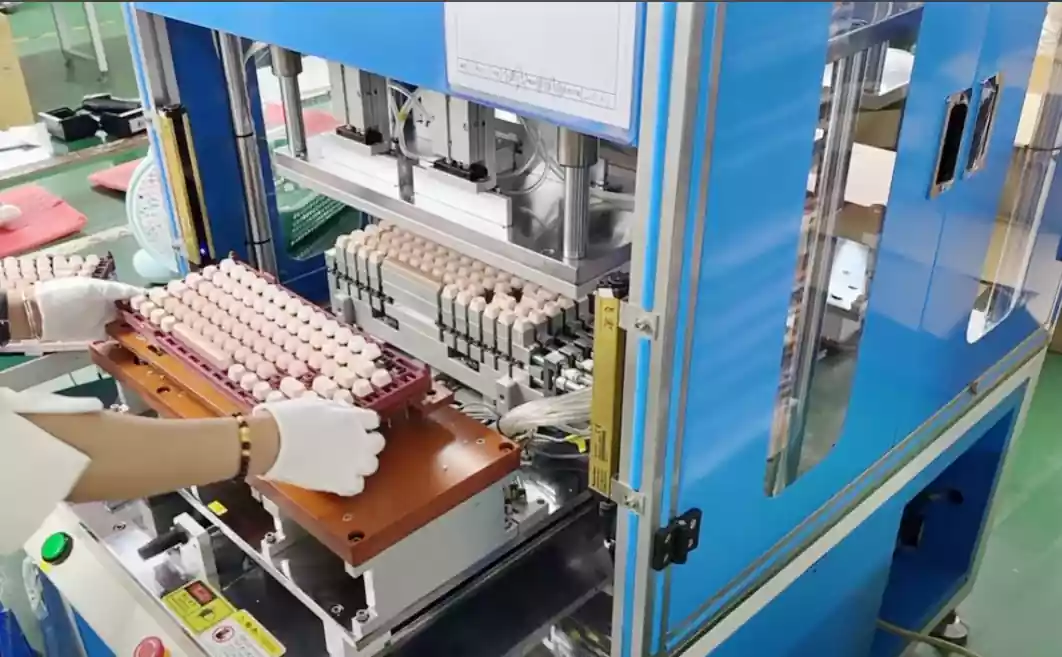
Second, flexible production capacity is essential to cope with market changes. The current keyboard market presents a "dumbbell-shaped" price structure: entry-level products below $20 account for 31.5%, mid-range products between $20-$60 are highly competitive (accounting for 42.8%), and the high-end market above $60 is growing at 13.9% . This requires manufacturers to have the ability to produce different grades of products simultaneously. Moreover, with the average replacement cycle of keyboards shortened to 18.3 months (12.6 months for Gen Z users), the production cycle of 6-9 months for traditional hardware can no longer meet market demand . Manufacturers equipped with MES (Manufacturing Execution System) can realize real-time monitoring of production data, shorten the production cycle, and quickly respond to small-batch and customized orders—currently, only 29.6% of keyboard manufacturers have deployed MES systems, which has become an important threshold for distinguishing high-quality manufacturers .
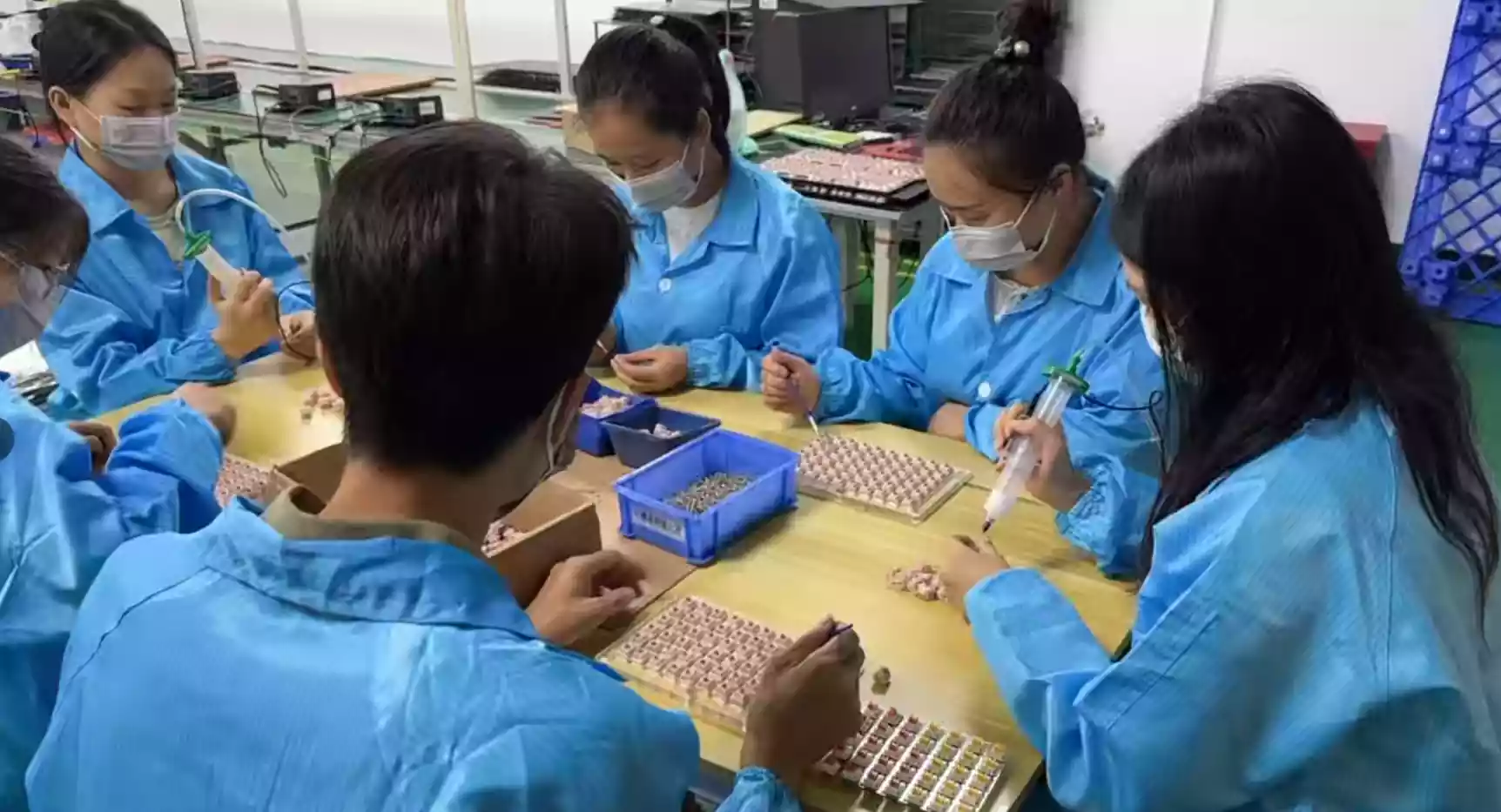
Third, solid QC is everything for product reputation. From raw materials (e.g., PBT keycaps > ABS in wear resistance) to finished product inspection, every step follows strict standards. High-end mechanical keyboards need consistent key feel and sound—so factory stabilizer tuning & assembly must be perfect. Good factories do full tests: 100 million keystroke durability tests, high temp/humidity checks, etc. Ensures stable performance in any usage scenario.
Manufacturing Trends Shaping Keyboard Manufacturers in 2026
The keyboard manufacturing industry in 2026 is facing multiple changes driven by market demand and policy factors. Understanding these trends can help you predict market directions and choose cooperative manufacturers with long-term development potential.
The first major trend is the rise of domestic manufacturers and the transformation to high-end. Once the "king of mechanical keyboards," Cherry has seen its market value plummet by 98% due to slow innovation and high costs, and is even planning to sell its peripheral business . In contrast, domestic manufacturers such as Kaihua, Jiadalong, and Rapoo have rapidly occupied the market by virtue of cost advantages and rapid iteration capabilities. They have reduced the price of mechanical switches from $0.5 per unit to less than $0.3, and have also made breakthroughs in high-end markets—for example, some domestic brands have launched high-end keyboards with aluminum alloy casings, titanium decorative sheets, and self-developed inductive switches, which are well-received by users . This trend means that domestic keyboard manufacturers are no longer just "low-cost alternatives" but have become important players in the global high-end market.
The second trend is green manufacturing and compliance with international standards. With the tightening of policies such as the EU's New Battery Regulation and REACH Regulation, export-oriented keyboard manufacturers are facing increasing pressure on environmental protection compliance . Requirements such as material traceability, limits on harmful substances, and recycling labels have become mandatory thresholds for entering the European market. However, there is currently no unified environmental protection design standard for peripheral products in China, so manufacturers that take the initiative to layout green supply chains (such as using 100% PBT keycaps or passing GRS global recycling standard certification) have more competitive advantages . It is predicted that green manufacturing will become a basic requirement for keyboard manufacturers to participate in international competition in the next 2-3 years.
The third trend is AI integration and functional diversification. Users' demand for keyboards has evolved from a single input tool to a composite terminal that integrates efficiency, personality, and health . In response to this change, keyboard manufacturers have begun to integrate AI functions such as biometrics and situational awareness into products. For example, some high-end keyboards can automatically adjust key sensitivity according to the user's typing habits, and realize real-time synchronization of shortcuts with design software . However, it should be noted that there are currently no industry standards for data security and privacy protection of intelligent keyboards, which is a risk point that manufacturers and cooperative partners need to pay attention to together.

How to Match Your Needs with Keyboard Manufacturers
Different user groups have distinct demands for keyboards, and choosing the right manufacturer requires precise matching based on your own positioning.
For gaming brand owners, priority should be given to manufacturers with rich experience in gaming keyboard production. Such manufacturers should be familiar with the needs of e-sports players for fast response speed, programmable macro functions, and RGB lighting synchronization . It is best to have cases of cooperating with e-sports teams or launching customized gaming keyboards. At the same time, attention should be paid to the manufacturer's R&D capability in new switch technologies (such as magnetic switches and inductive switches), which are the core selling points of mid-to-high-end gaming keyboards .
For office equipment brands, manufacturers that focus on silent design and multi-device connectivity are more suitable. The current office crowd is increasingly inclined to choose compact keyboards with low key travel and support for multi-device switching to adapt to the hybrid office model . Manufacturers with mature wireless technology (such as low-latency Bluetooth 5.3) and silent switch research and development can better meet these needs. In addition, the environmental protection performance of products should also be considered, as many enterprises now prioritize green and low-carbon office supplies.
For custom keyboard enthusiasts or small-batch sellers, manufacturers with strong flexible production capabilities and personalized customization services are the first choice. These manufacturers should be able to provide customized services such as keycap materials (ceramic, wood), keyboard structure (Gasket), and appearance colors . At the same time, due to the small batch size, the manufacturer's minimum order quantity (MOQ) and sample development cycle are also important factors to consider.
Conclusion: The Core Competitiveness of Keyboard Manufacturers in the New Era
In 2026, the competition among keyboard manufacturers is no longer a simple price war, but a comprehensive competition involving technology, flexibility, and sustainability. Reliable keyboard manufacturers need to have three core capabilities: first, the ability to iterate products quickly in response to fragmented market demands; second, the strength to comply with international environmental protection policies and layout green manufacturing; third, the potential to integrate new technologies such as AI to create value-added functions .
When you’re choosing a keyboard factory to partner with, don’t just zero in on short-term costs and how much they can produce. You gotta also watch their long-term potential and how well they roll with industry changes. Align your own needs with the newest trends, and you’ll land a partner that makes it a win-win for both sides. The market’s always evolving—factories that can keep up with what users need and new tech will definitely rise to the top in this tough competition.