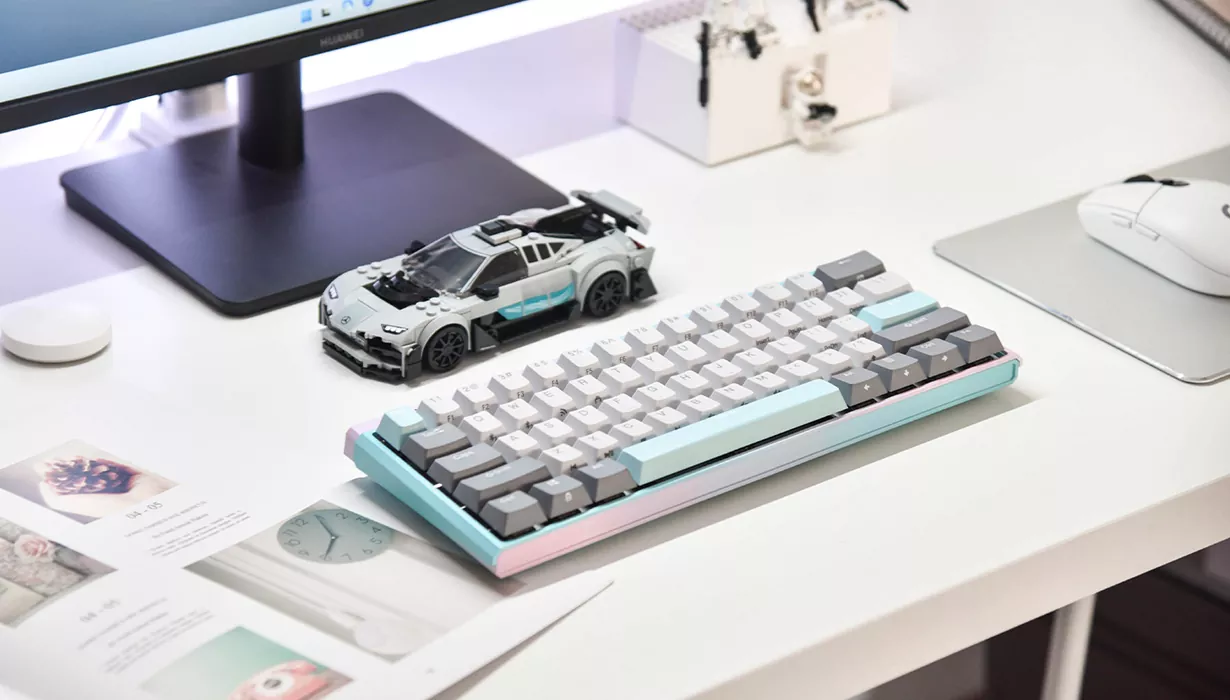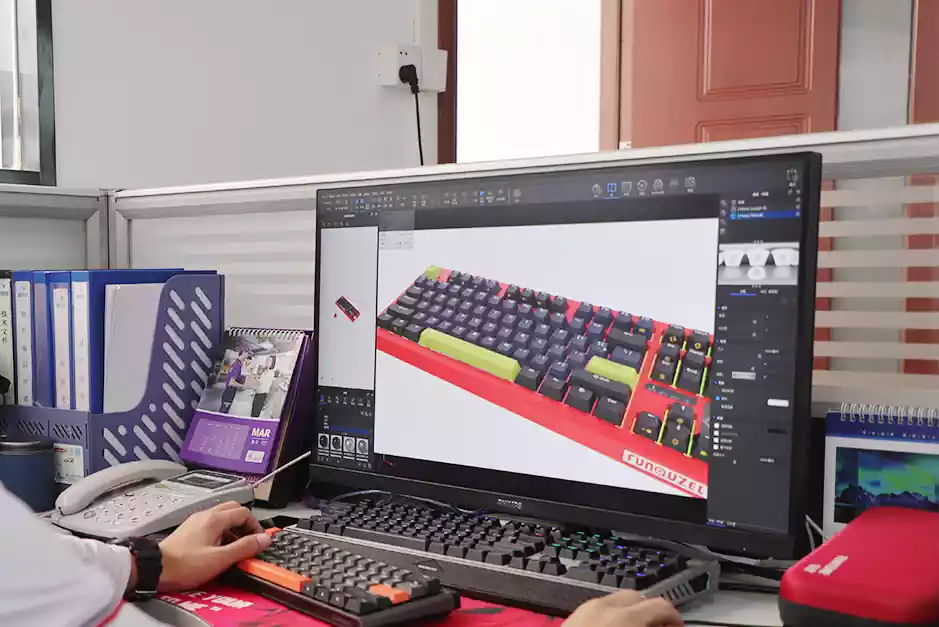
The world of custom mechanical keyboards is full of appeal, but how do you turn wild creative ideas into physical products? Collaborating with a professional factory with customization capabilities—like HengCang-Tech (Zhuhai HengCang Electronic Technology Co., Ltd.)—is a crucial step. This article outlines a complete workflow guide for turning your idea into a product through collaboration.
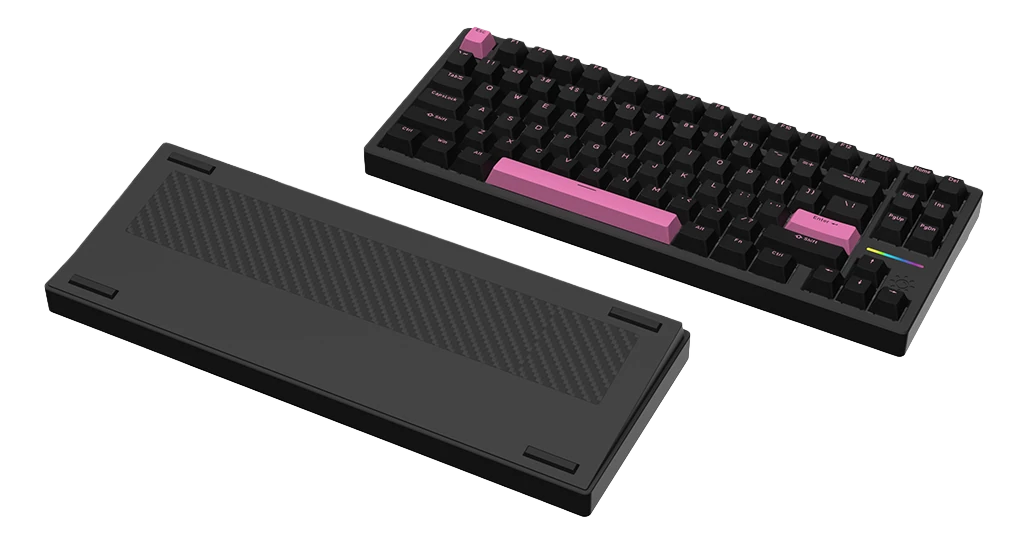
Step 1: Clarify Your Creative Concept & Requirements
Before contacting the factory, you need to define your product as clearly as possible:
- Positioning: Is it a niche artwork for geeks, or a product intended for small-batch commercialization?
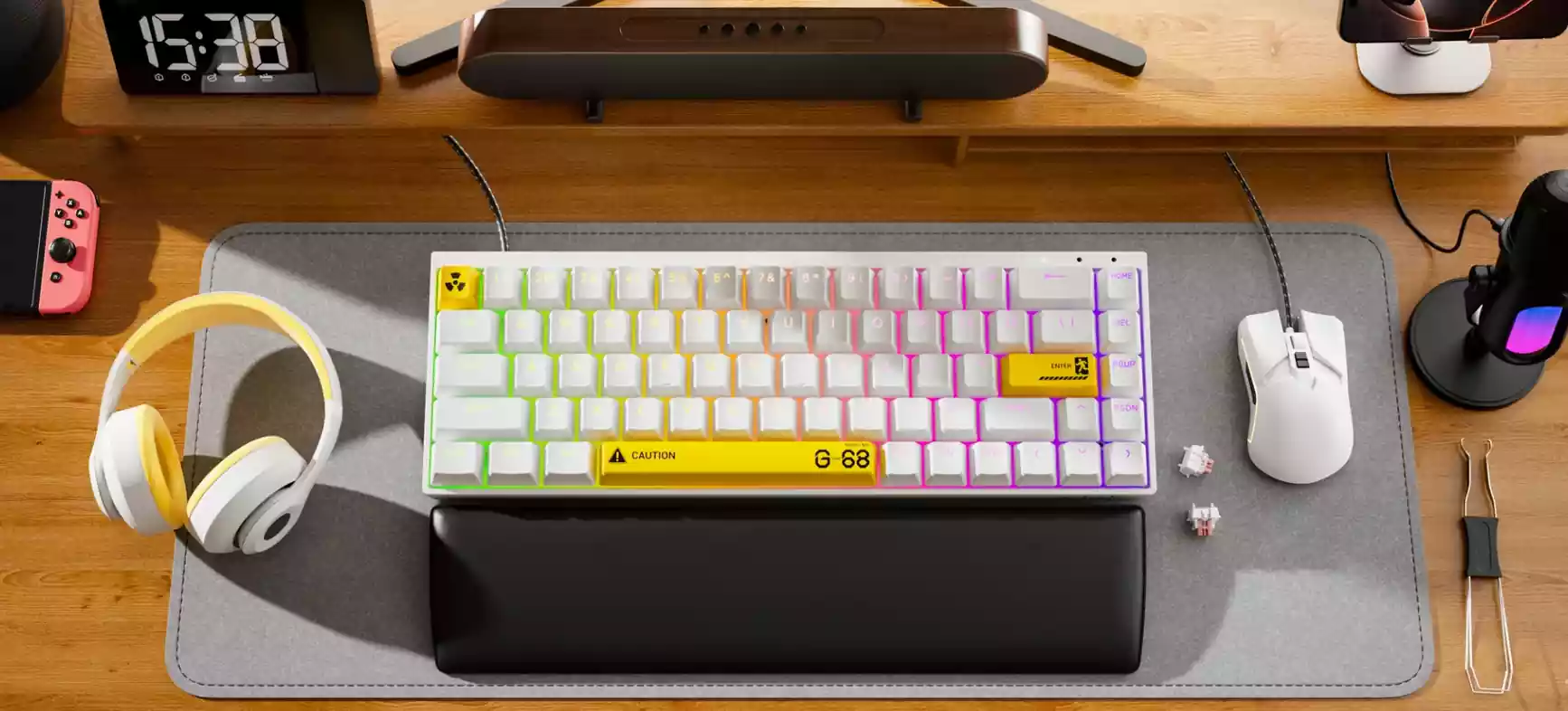
- Design: Exterior renderings, color schemes (with Pantone color codes), and desired materials (aluminum, copper, plastic).
- Structure: Layout (e.g., 75%, 98%), connection method (wired/tri-mode: wired, 2.4G, Bluetooth), and intended structure (gasket mount, top mount).
- Budget & Quantity: Approximate target cost per unit and the range of planned production quantity.
Step 2: Find & Evaluate the Factory
HengCang-Tech explicitly includes "custom mechanical keyboards" in its business scope, making it a potential collaboration partner. Key factors to evaluate include:
- Communication Capabilities: Can the factory understand your customization needs? Is communication smooth?
- Technical Feasibility: Can the factory implement the special structures or materials you propose? Ask them to conduct a feasibility assessment.
- Prototyping Capability & Cost: Does the factory support prototyping? What are the prototyping fees and lead times?
- Minimum Order Quantity (MOQ): This is critical—confirm the minimum order volume the factory can accept.
Step 3: Collaborative Prototyping & Iteration
This is the core phase of turning your idea into a tangible product.
- Provide Design Materials: Share your design drawings, specification requirements, and other documents with the factory.
- Engineering Evaluation & Quotation: The factory will conduct an engineering feasibility analysis and provide a detailed quotation.
- First-Round Prototyping: The factory produces the first prototype (which may be just the case or internal structure).
- Testing & Feedback: After receiving the prototype, rigorously test its structure, tactile feel, and appearance. Provide detailed feedback to the factory on issues (e.g., tolerances, abnormal noises, color deviations).
- Multiple Iterations: Customization often requires 2-3 rounds or more of prototype revisions to achieve the desired result. Patience and clear communication are essential.
Step 4: Mass Production & Quality Control
Once the prototype is confirmed, move to the mass production phase.
- Sign a Contract: Clearly define price, quantity, delivery time, payment terms, and quality standards.
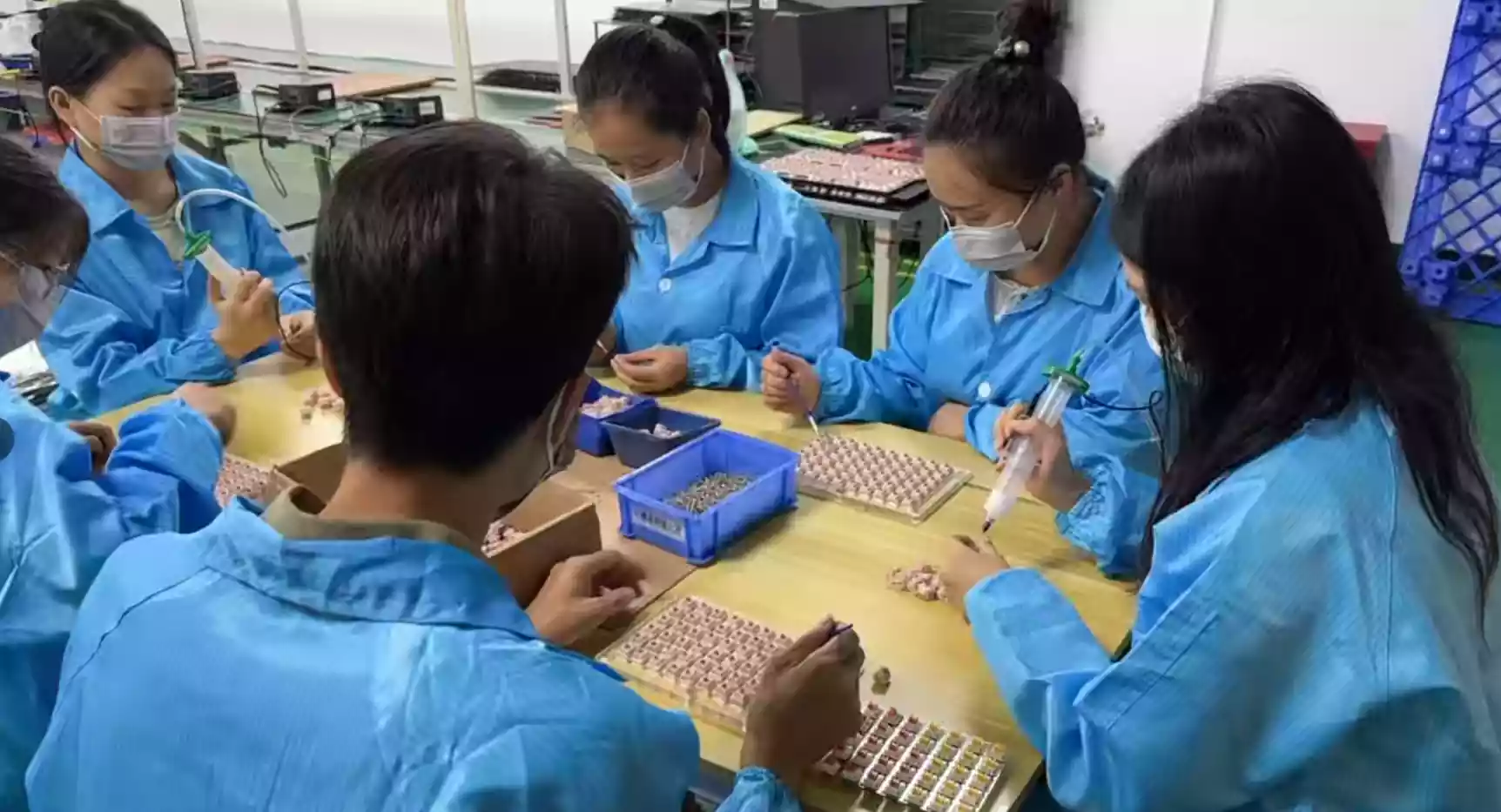
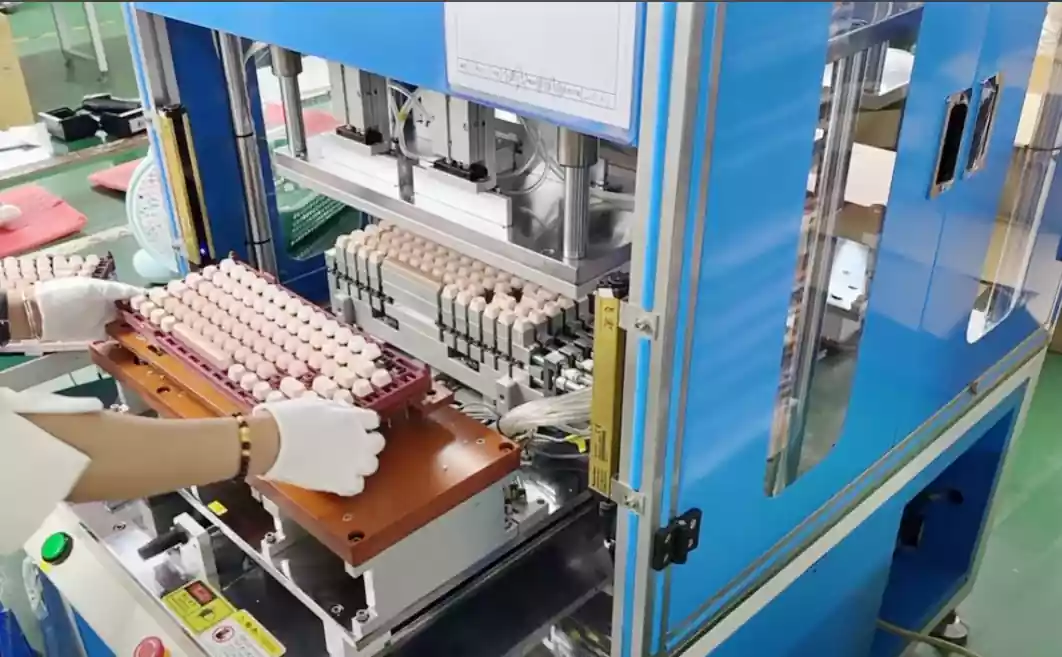
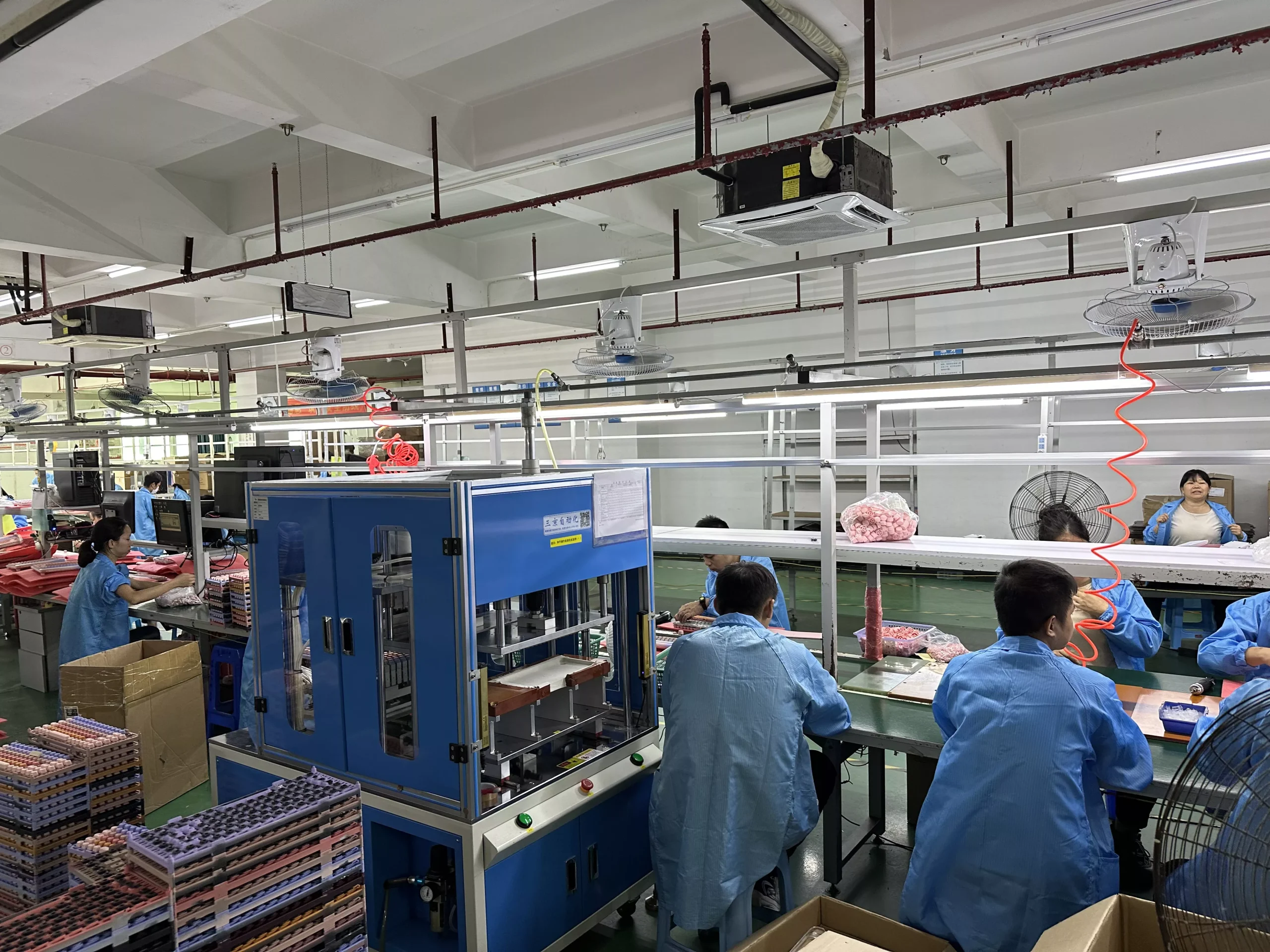
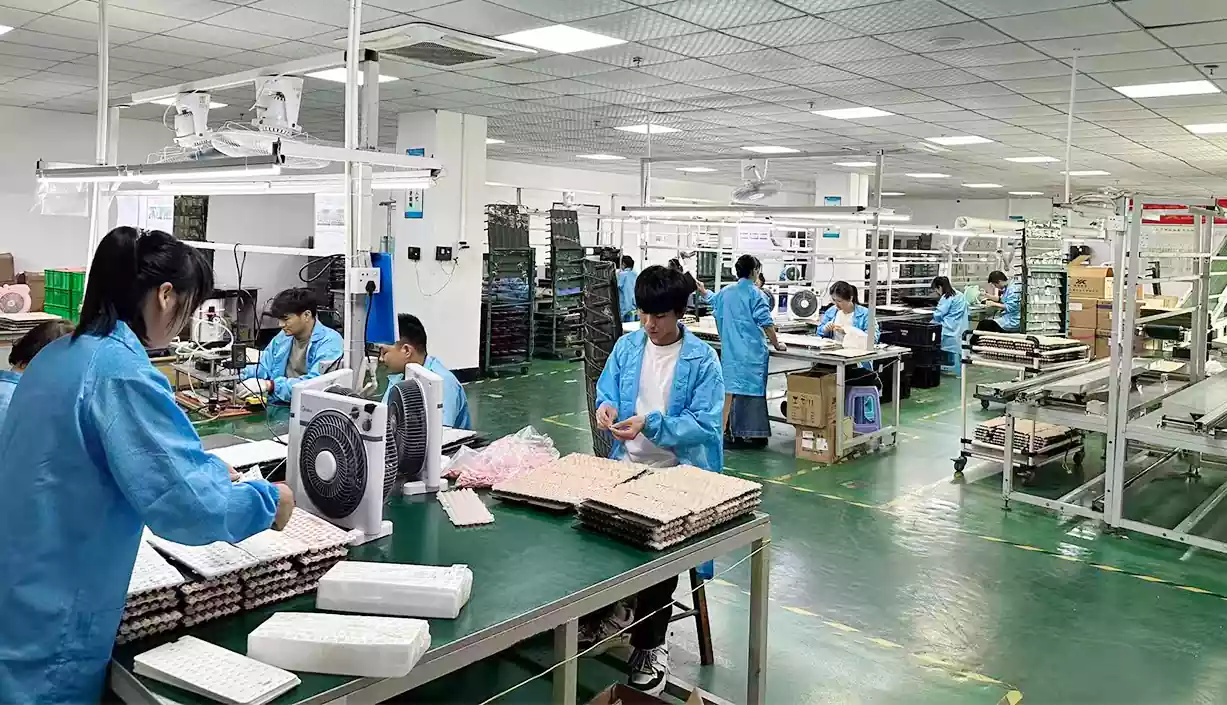
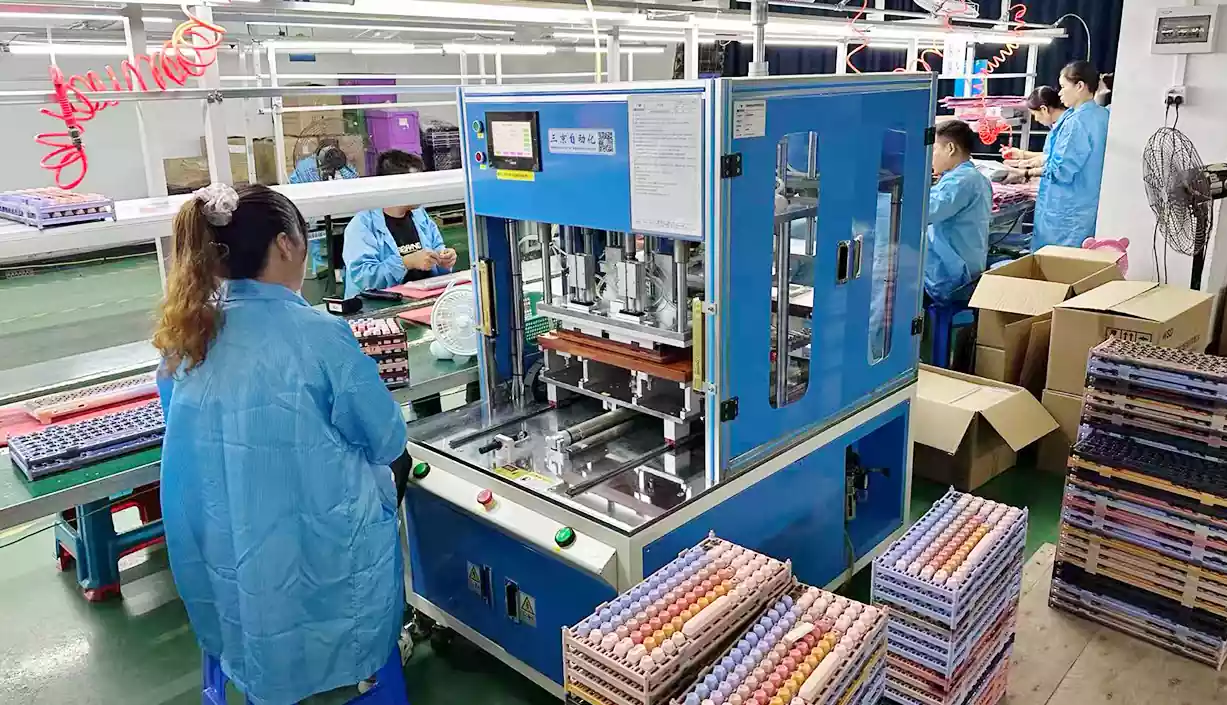
- Production Progress Tracking: Regularly request production progress photos or videos from the factory.
- Final Quality Control: After production is completed, conduct random inspections or entrust a third party to perform pre-shipment quality inspection (QC) to ensure the mass-produced products match the prototype in quality.
Advantages of Collaborating with HengCang-Tech
As a formal factory, HengCang-Tech offers a more stable supply chain, standardized quality control processes, and more reliable after-sales support. Compared to small workshops, it provides stronger consistency in production and delivery guarantees—making it suitable for teams looking to pursue small-scale commercialization of custom products.