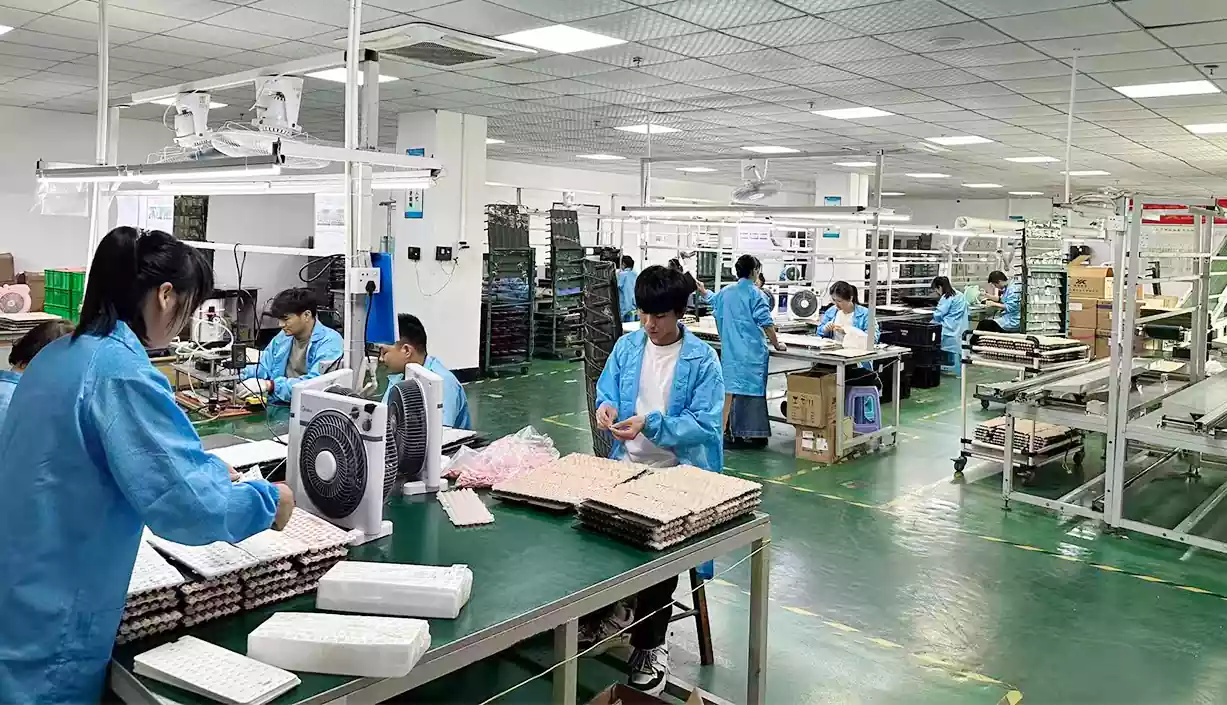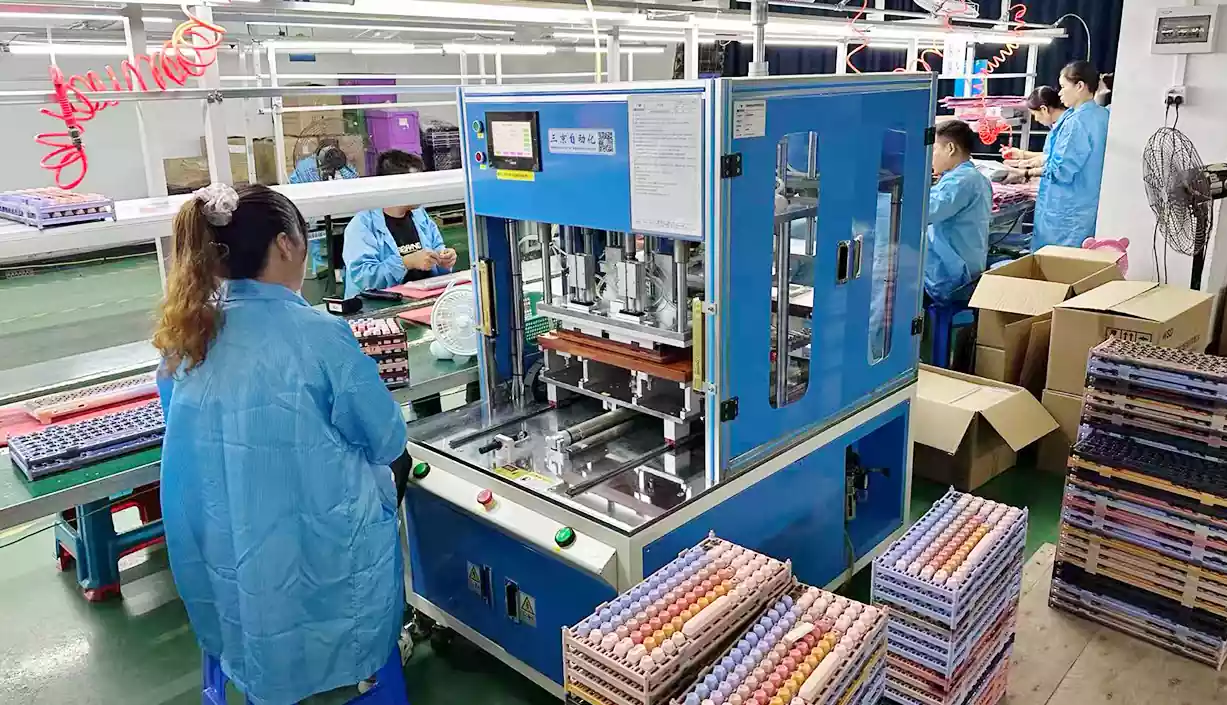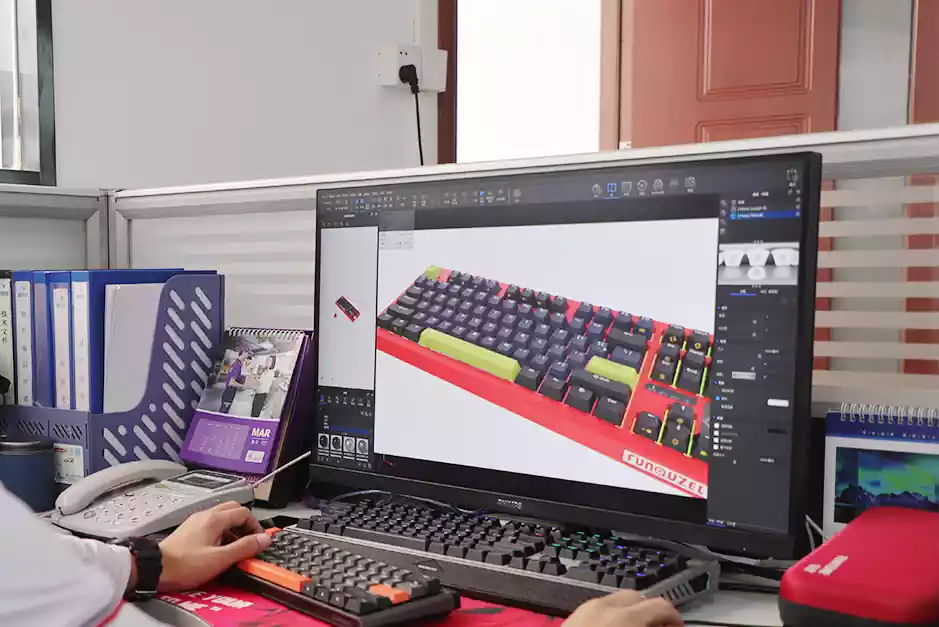
Hengcang Technology ensures product quality through a rigorous quality control system during the keyboard production process, covering the entire lifecycle from raw materials to finished product shipment. The table below outlines its key quality control stages to give you a preliminary general understanding.
| Control Stages | Core Measures | Key Control Points |
|---|---|---|
| Pre-production Preparation | Order and material confirmation, equipment calibration, and first article inspection | Verify BOM (Bill of Materials), set the electric screwdriver torque, and IPQC first article confirmation |
| In-process Control | Standardized operations, dedicated personnel for material addition, and real-time monitoring | Employees operate in accordance with SOPs (Standard Operating Procedures), team leaders monitor key workstations, and timely correct deviations |
| Special Process Control | Focused control of special processes such as silk-screen printing, soldering, and assembly | Temperature and humidity control in the silk-screen room, soldering temperature and time management, and locking torque control |
| Defective Product Management | Isolation, identification, analysis, and traceability | Special storage area for defective products, traceable maintenance records, and root cause analysis of batch issues |
| Environment and Equipment Maintenance | Anti-static protection, regular equipment maintenance, and 6S management | Wear anti-static wristbands, perform equipment inspections, and maintain |
💡 Cornerstone of Quality Control: Standardization and Prevention
Hengcang Technology’s core philosophy of quality management is "prevention-oriented" rather than post-event remediation. This is reflected in the thorough preparation before production starts.
Material and Document Verification
Before the production line starts, the team leader must verify one by one that the materials used (e.g., the upper and lower casings of the keyboard) are fully consistent with the BOM (Bill of Materials) and order requirements, ensuring the correct materials are used from the source.
Equipment and Parameter Calibration
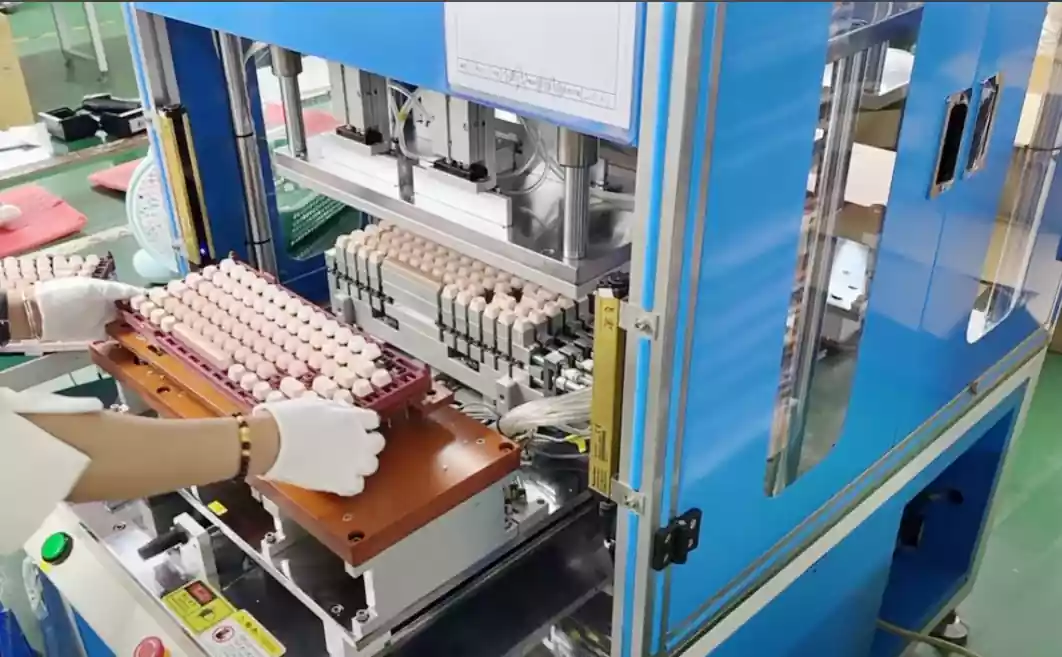
Key equipment parameters for production are strictly set and inspected. For example, the torque of the electric screwdriver for screw locking must comply with the requirements of the SOP (Standard Operating Procedures) document, and testing instruments and programs must also be in optimal condition.
First Article Inspection
The first product completed on the production line must be submitted to IPQC (In-Process Quality Control) for confirmation. Only after it passes the inspection can mass production proceed, which effectively avoids batch errors.
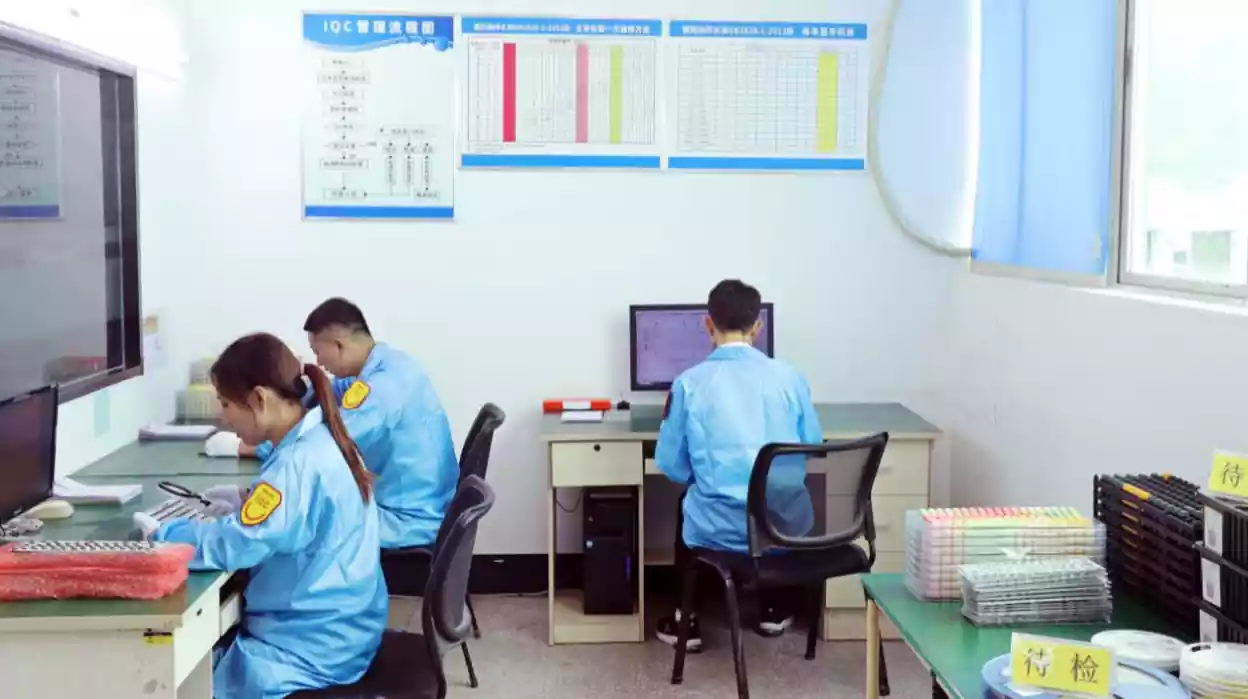
🔬 Refined Management During Production
Hengcang Technology ensures process stability through the following measures during production:
Standardized Operations
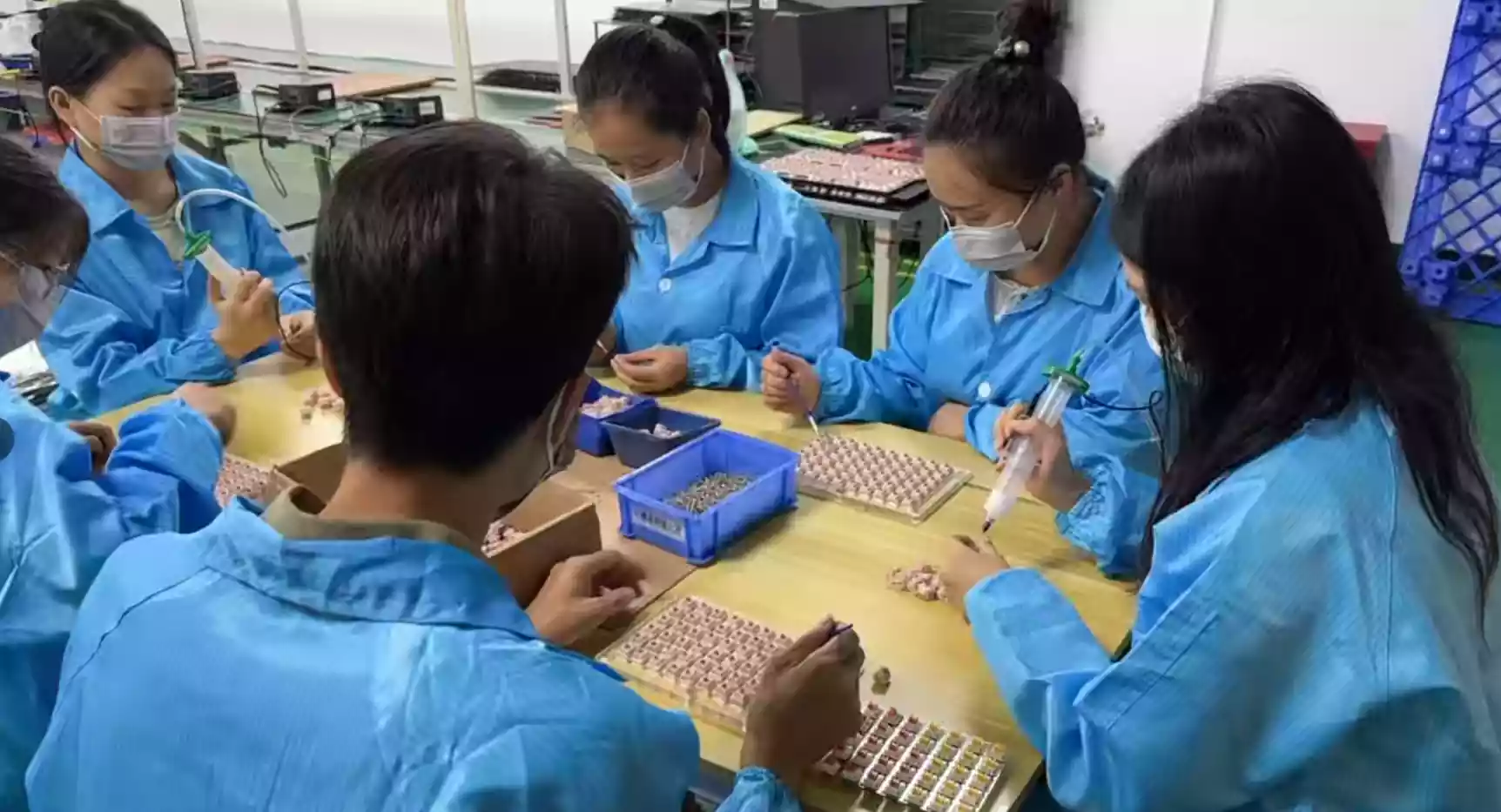
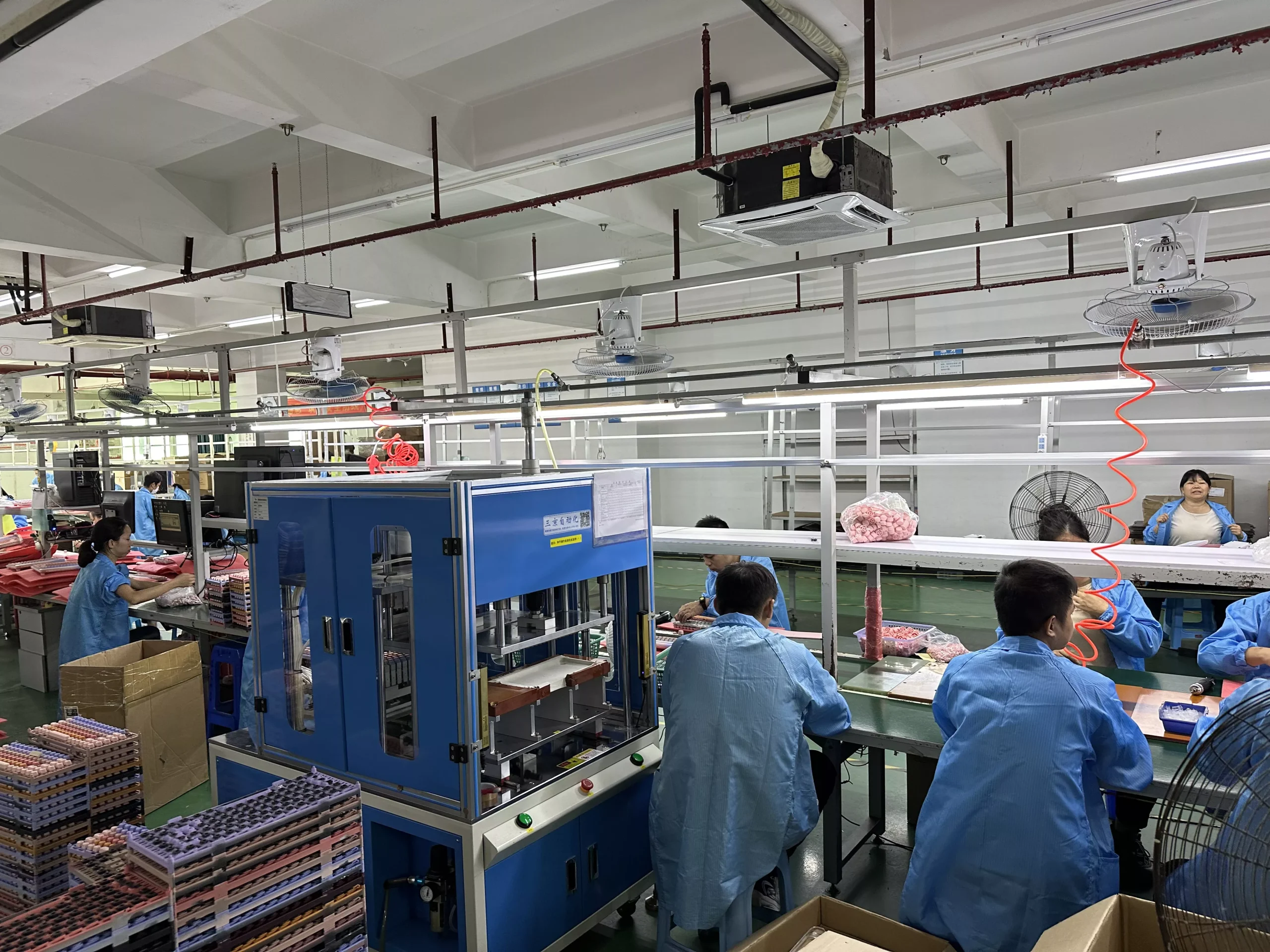
Every employee strictly follows SOPs (Standard Operating Procedures) for their work. Team leaders inspect whether employees’ operating methods are correct, preventing quality issues caused by improper operations.
Material Control
All materials used on the production line are added uniformly by the team leader or their designated personnel. Ordinary employees are not allowed to take materials without authorization, which effectively avoids material misuse and mixing.
Real-Time Monitoring and Feedback
Team leaders need to closely monitor feedback from testing stations and repair stations. Once abnormalities are detected — such as the frequent occurrence of specific defective phenomena — they will immediately analyze the causes and adjust the production process. For defective products identified in testing, sampling analysis is conducted every hour to quickly locate and resolve issues, whether they stem from processing, materials, or human factors.

🎨 Special Control for Key Processes
Hengcang Technology implements stricter control standards for special processes that directly affect the keyboard’s appearance and functionality.
Silk-Screen Printing Process
The temperature and humidity of the silk-screen printing room are strictly controlled within a specific range (e.g., temperature 15°C-25°C, humidity 80%-90%) to ensure printing quality. Screen meshes are cleaned regularly (e.g., wiped every 50 pieces). Consumables such as ink and squeegees have clear service lives and are mandatorily scrapped and replaced upon expiration, guaranteeing the clarity and consistency of printed characters.
Soldering Process
During the wire soldering process, operators must wear anti-static wristbands, and soldering irons must be reliably grounded to prevent static electricity from damaging precision electronic components.
Assembly Process
For example, in the screw locking process, the torque of electric screwdrivers is strictly monitored to ensure screws are securely fastened without damaging plastic studs.
🗑️ Closed-Loop Management of Defective Products
Hengcang Technology has a standardized handling process for defective products that inevitably arise during production.
Labeling and Isolation
All defective products are clearly labeled and placed in designated areas on the production line (e.g., "Keyboard Finished Products Pending Inspection Area"). They are effectively isolated from non-defective products to prevent misuse or mixing with qualified items.
Repair and Documentation
Defective products are transferred to specialized repair personnel for maintenance. Repair results are truthfully recorded in the Production Line Defective Product Repair Report. This not only serves to repair products but also collects data for subsequent quality analysis and improvement.
Batch Defect Handling
If batch defects occur due to incoming materials or processing issues, the team leader will immediately organize the isolation of relevant products and trace previously produced items. At the same time, they will report to superiors to initiate root cause analysis and corrective actions.
💎 Conclusion
Overall, Hengcang Technology has built a quality assurance network covering the entire keyboard production process through systematic process design, detailed process monitoring, and strict standard implementation. The core of its quality management lies in shifting quality control upstream and integrating it into every manufacturing link, rather than relying solely on final inspection — this reflects its commitment to delivering stable and reliable products.
We hope the above information helps you gain a more comprehensive understanding of Hengcang Technology’s quality management system. If you have a deeper interest in any specific link, such as the handling of special materials or more detailed testing standards, we can continue the discussion.