Cooperating with a professional keyboard factory like HengCang Technology, which has over 20 years of industry experience, offers value far beyond simple order acceptance and contract manufacturing. A complete keyboard OEM/ODM project is essentially a full-chain collaborative endeavor, spanning from creative conception and solution implementation to finished product delivery. Every link embodies a commitment to quality control and efficiency pursuit. Gaining an in-depth understanding of this systematic process enables brands and manufacturing partners to align their rhythms quickly, reduce communication friction, and achieve efficient win-win cooperation.
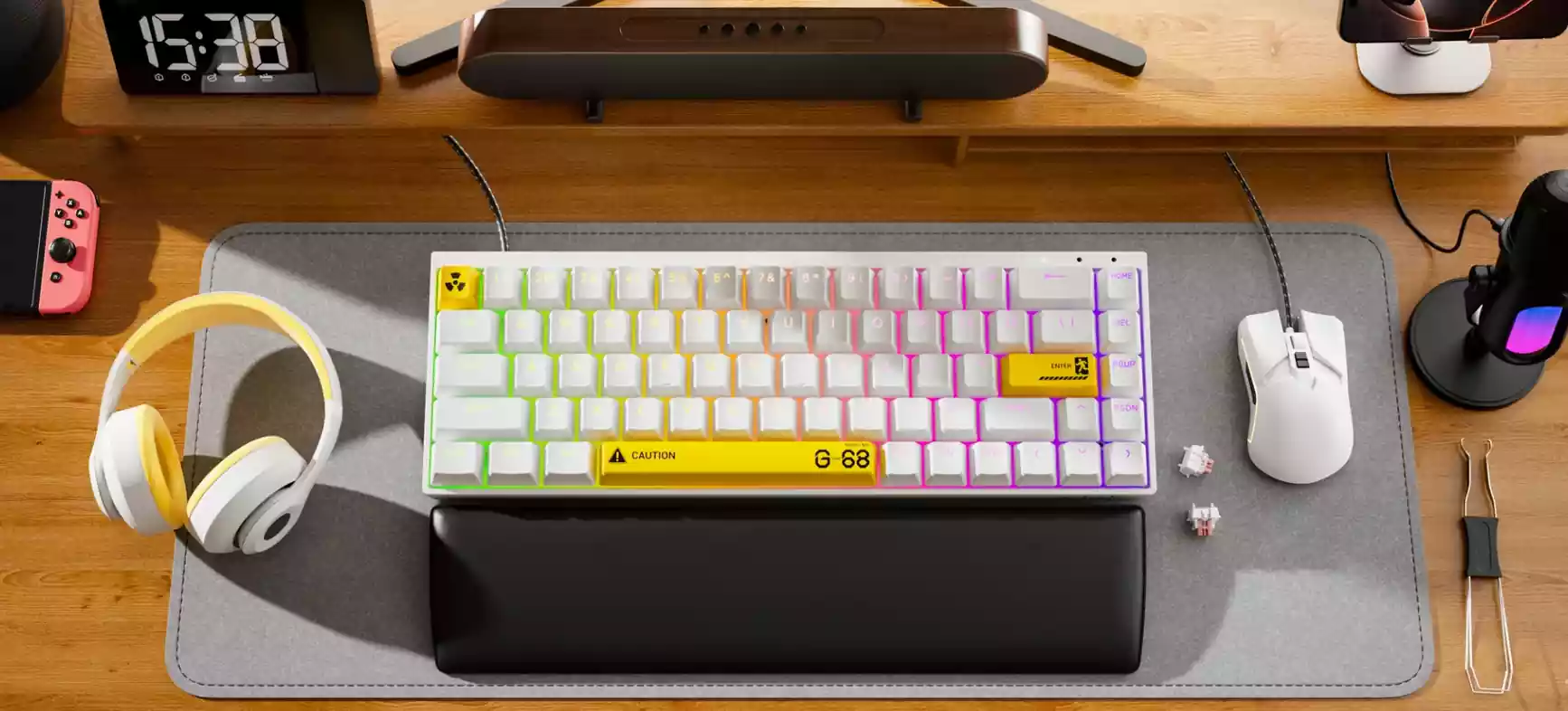
The process kicks off with precise demand alignment and concrete conceptual design. Brands need to clearly communicate core product positioning, target user profiles, key functional requirements (such as switch types for mechanical keyboards, hot-swappable support, battery life expectations, etc.), and budget ranges. As an ODM service provider with both R&D and manufacturing capabilities, HengCang Technology’s professional design team intervenes in the early stages. Leveraging years of industry expertise, they transform brands’ vague product ideas into actionable, quantifiable product definitions—including appearance ID designs that align with market aesthetic trends, structural solutions balancing feel and durability, material selections tailored to cost and quality requirements (such as choosing PBT/ABS for keycaps and aluminum alloy/plastic for casings), and comprehensive preliminary cost evaluations. The core of this phase lies in "mutual" thorough communication: through multiple rounds of online meetings, offline seminars, and demand reviews, both parties reach a high degree of consensus on product vision, core selling points, and implementation feasibility, clearing obstacles for subsequent processes.
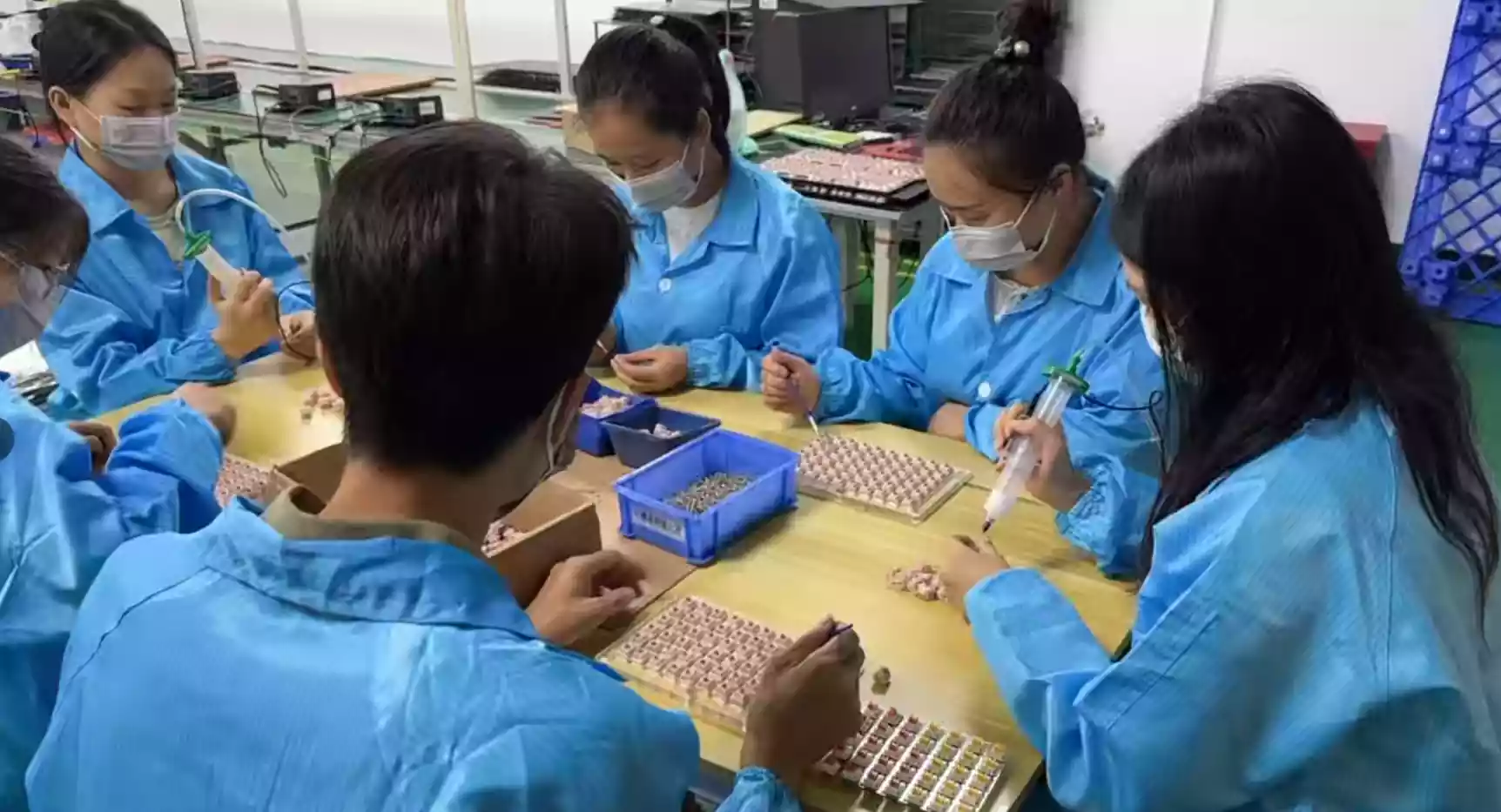
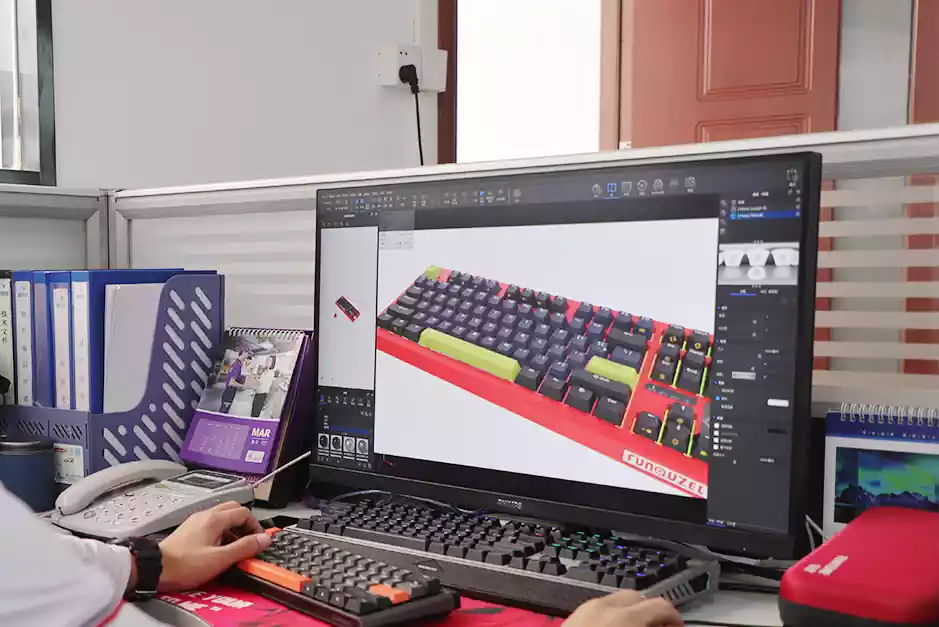
Next comes the phase of refined engineering development and rigorous prototype validation. The factory’s engineering team assembles a dedicated task force covering structural design, electronics, mold making, and other specialized areas, conducting full-dimensional, detailed design work. This includes mechanical optimization of the keyboard’s internal structure, PCB (Printed Circuit Board) layout,t routing, and signal stability debugging, as well as the design, development, and precision calibration of custom molds—every detail is repeatedly refined. Simultaneously, the team writes basic firmware programs and produces the first batch of functional prototypes. For mechanical keyboards, which place extreme emphasis on tactile experience, HengCang Technology’s exclusive core technology of "batch tactile tuning" is fully applied at this stage. By adjusting switch actuation force, travel distance, and rebound speed, combined with tens of thousands of test data points, subjective experiences like "smoothness" and "feedback" are converted into quantifiable production standards. After prototype production, multiple rounds of rigorous testing are conducted, including key durability tests, high-low temperature environmental adaptability tests, and interface compatibility tests. Problems identified during testing are quickly iterated and optimized until the prototype fully meets the brand’s core requirements and quality standards. Only after formal customer confirmation can the process move to the next phase.
The third phase involves thorough production preparation and small-batch trial production validation. On one hand, the procurement team initiates full-chain material sourcing based on the product BOM list. For core materials such as switches, keycaps, main control chips, and casing raw materials, not only are top-tier industry suppliers selected, but strict qualification audits and sample verification are also conducted to ensure material quality and supply stability. On the other hand, the production department completes specialized debugging of the production line according to the product’s process requirements, including equipment parameter calibration, standardization of production processes, and special training for operators. Once all preparations are complete, small-batch trial production (T1) is launched, typically producing 50-100 units. The core purpose is to fully verify production line adaptability, process rationality, and material compatibility, while producing trial prototypes for the brand’s final functional confirmation and small-scale market testing. A detailed trial production report is generated at this stage, documenting production issues and optimization plans to lay a solid foundation for subsequent mass production.
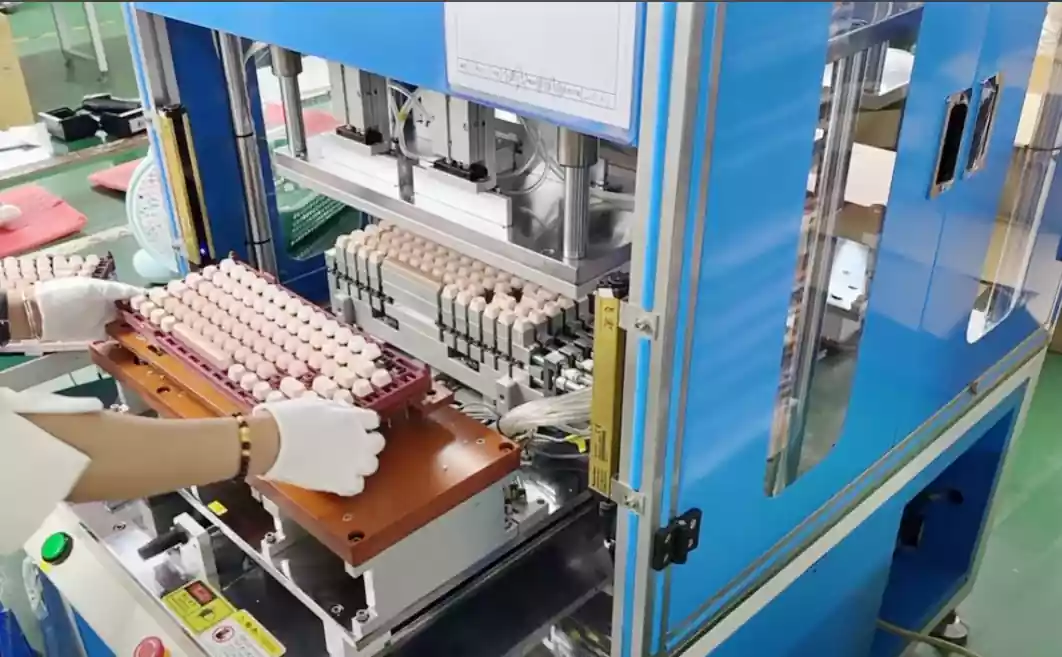
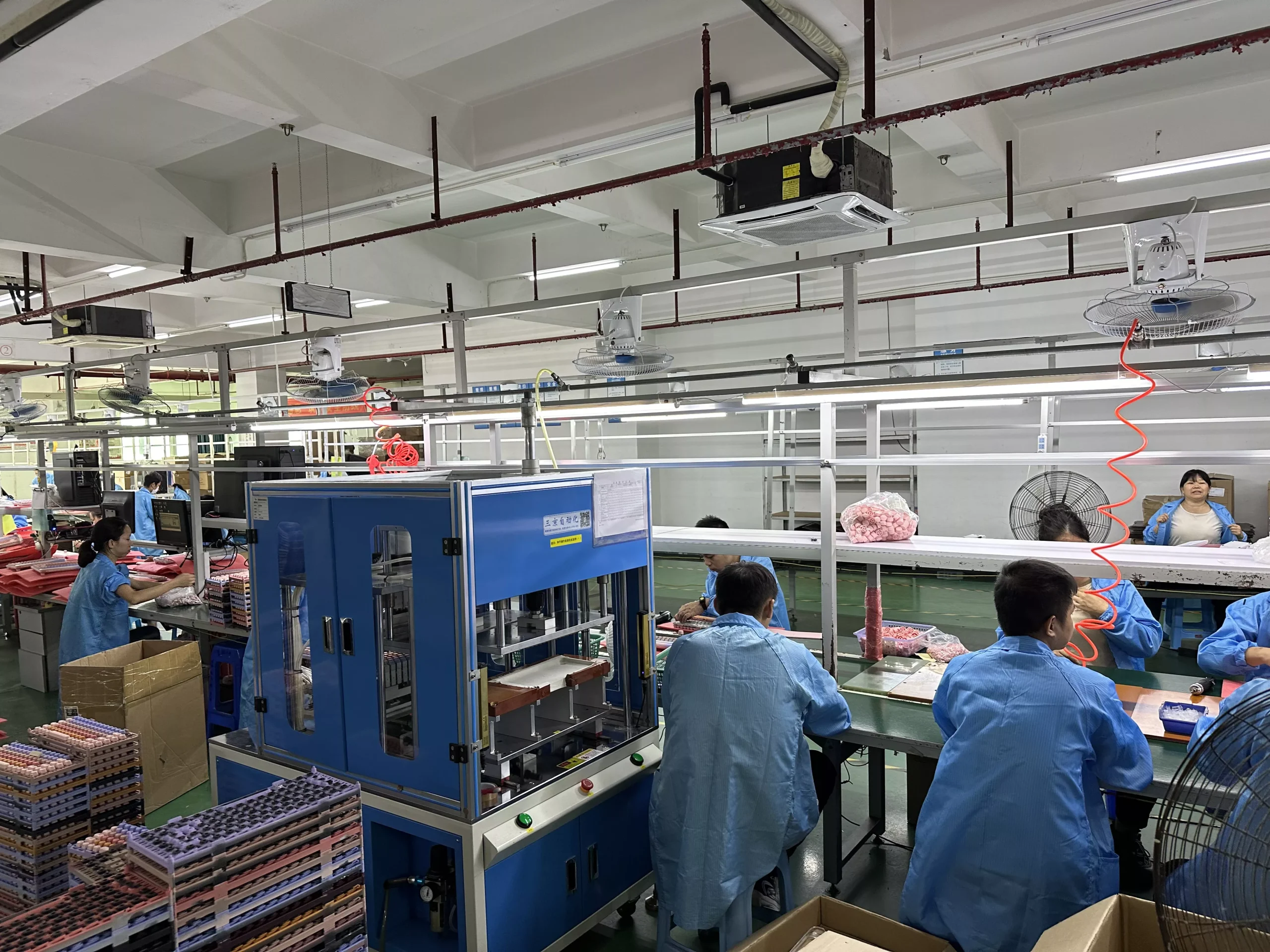
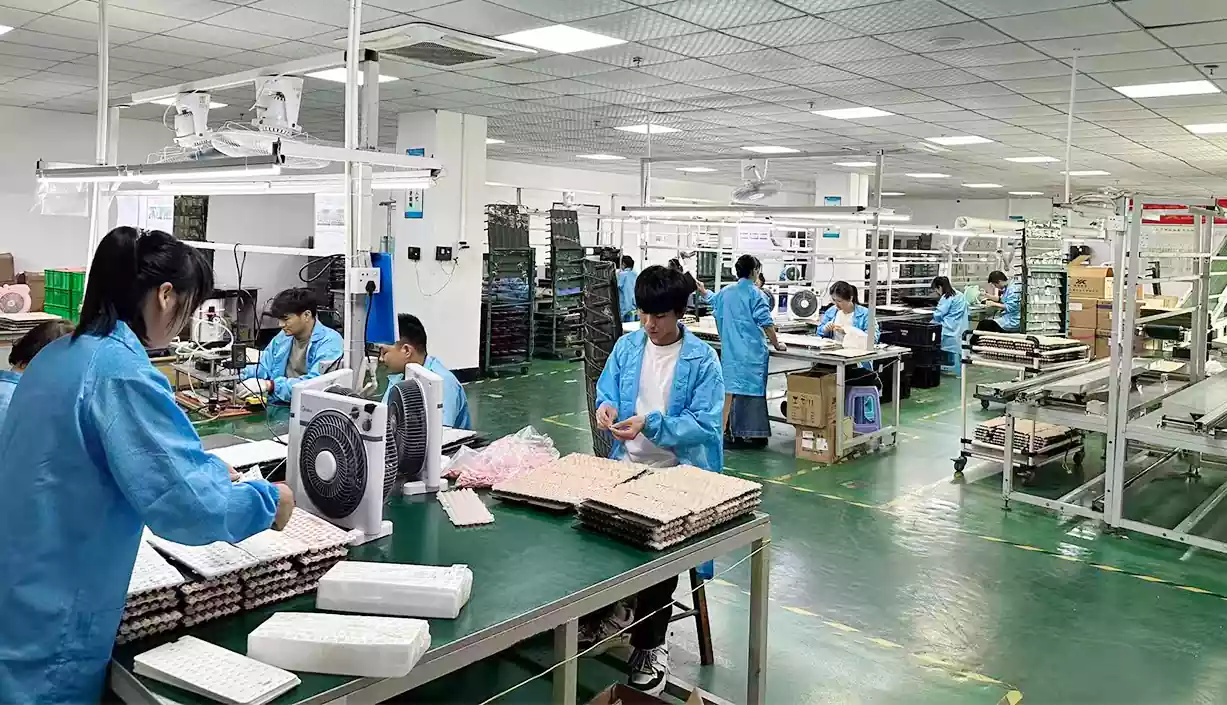
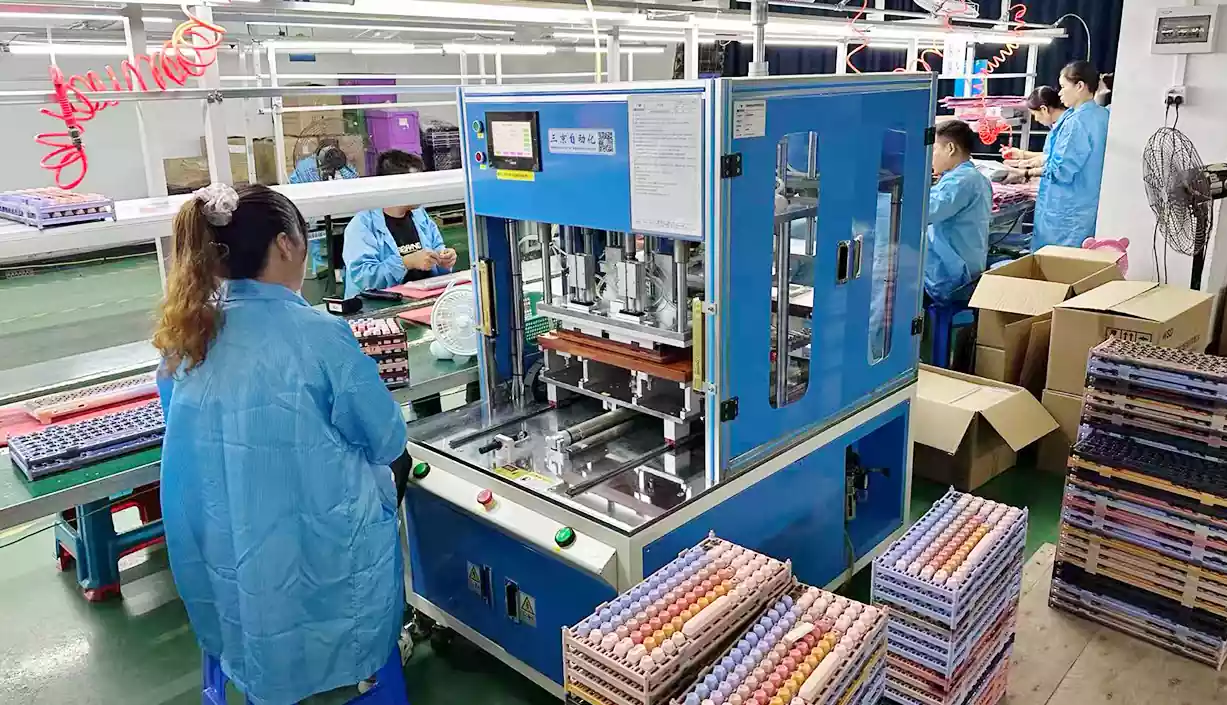
Finally, large-scale mass production and precise delivery under full-process quality control take place. After the approval of small-batch trial production and final confirmation from the brand, the factory officially initiates large-scale mass production. During mass production, HengCang Technology’s established full-process quality control system runs through every step: from strict inspection of incoming materials, to first article inspection (FAI), in-process spot checks (IPQC), and key process monitoring during production, followed by full-functional final quality checks (FQC) and sampling reliability tests before finished products leave the factory. Each checkpoint adheres to clear quality standards and testing processes, ensuring every delivered product meets preset quality requirements. After passing the final tests, all products are customized and packaged according to the brand’s requirements (including brand logos, product manuals, accessory configurations, etc.), and then shipped by a professional logistics team to ensure timely and safe delivery to the brand’s designated locations. HengCang Technology’s modern production base, located in Zhuhai Nanping Science and Technology Industrial Park, is the core carrier for the efficient operation of this complex process. Equipped with multiple automated production lines and precision testing equipment, it brings together a team of experienced production and technical personnel, providing solid support for the smooth progress of the entire process and stable quality.