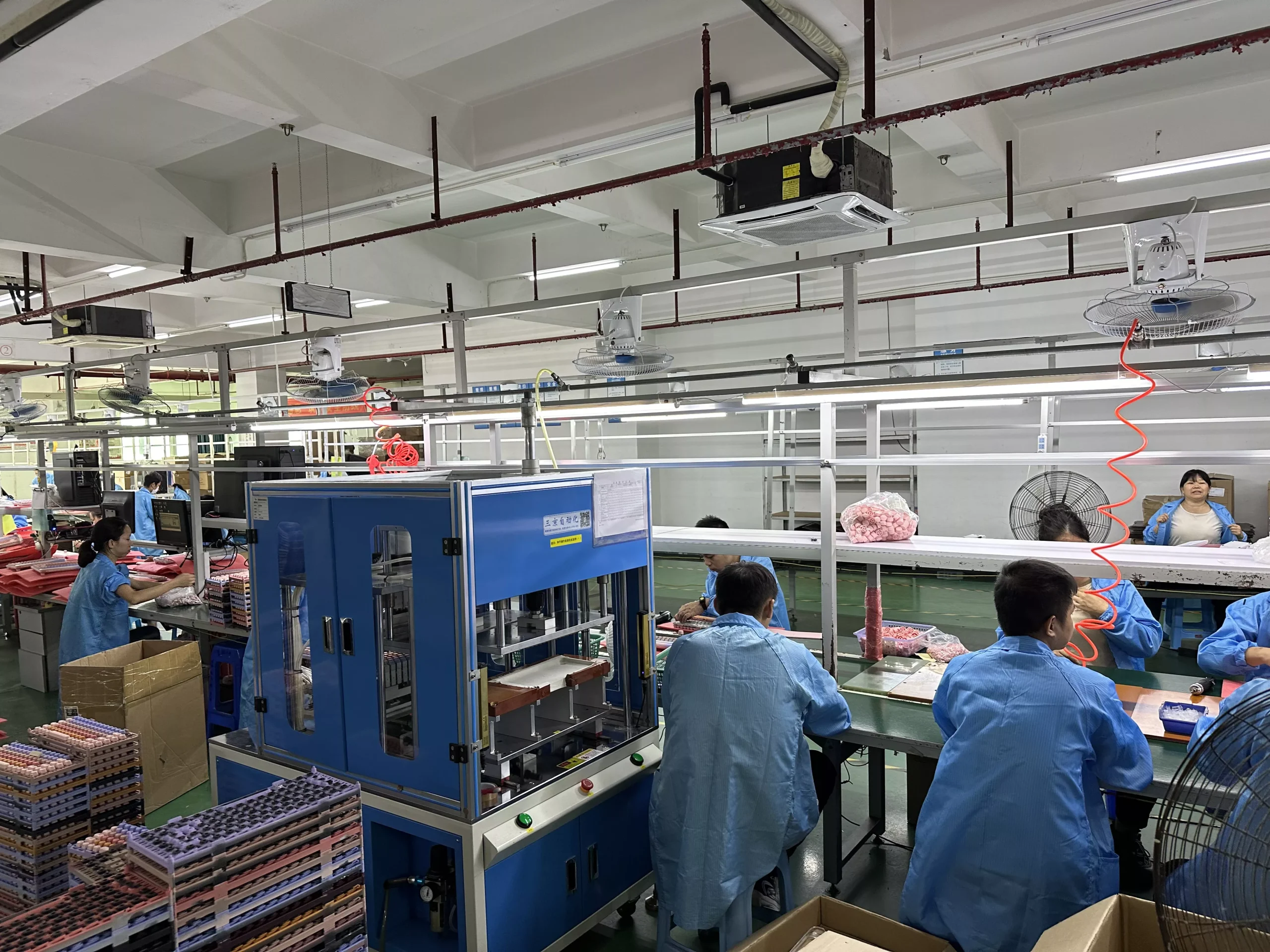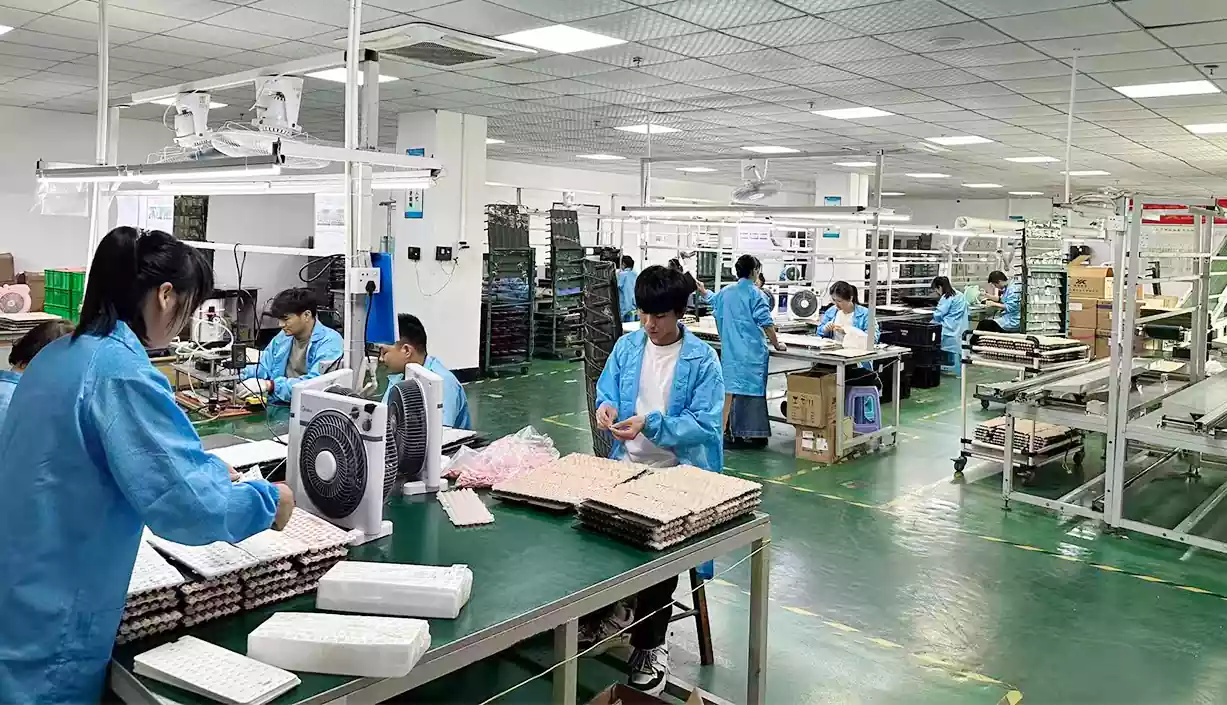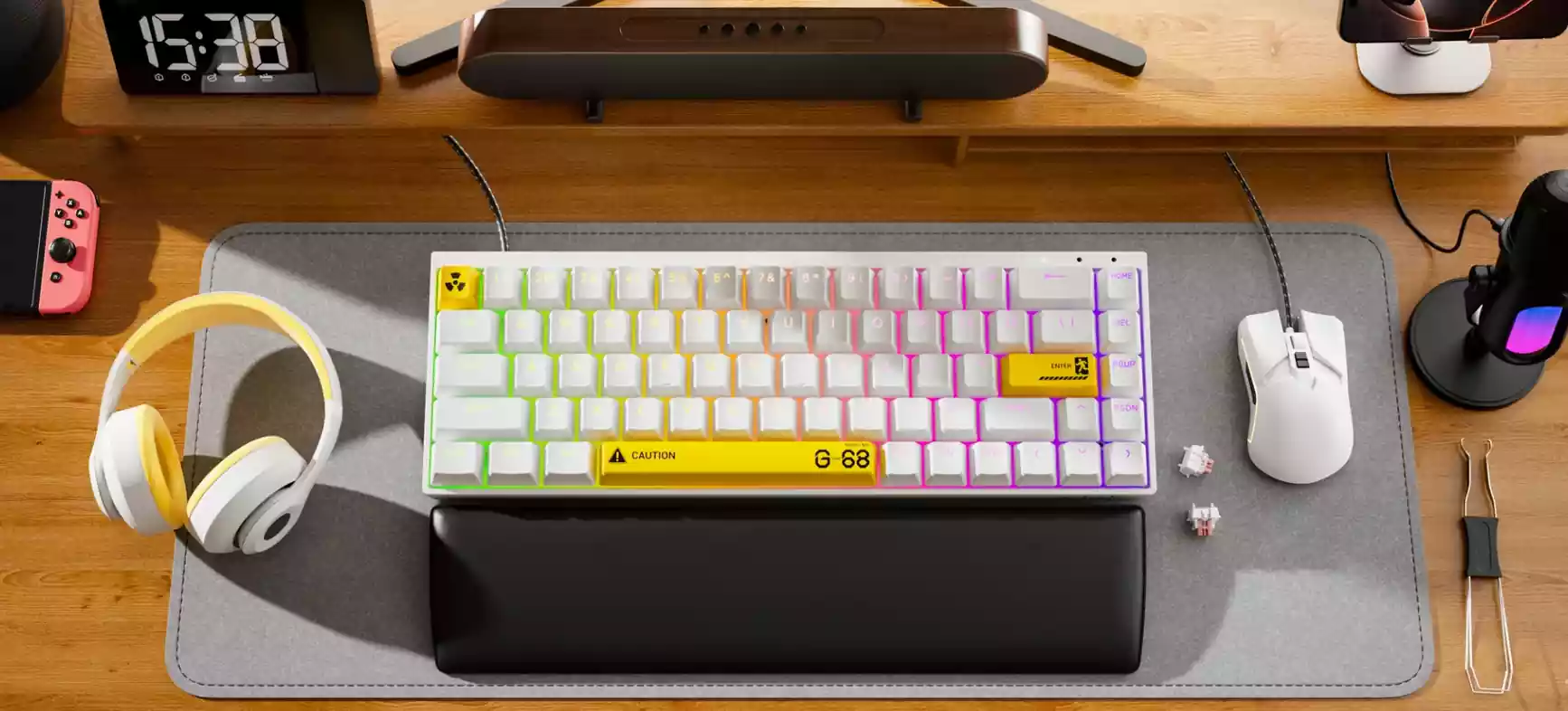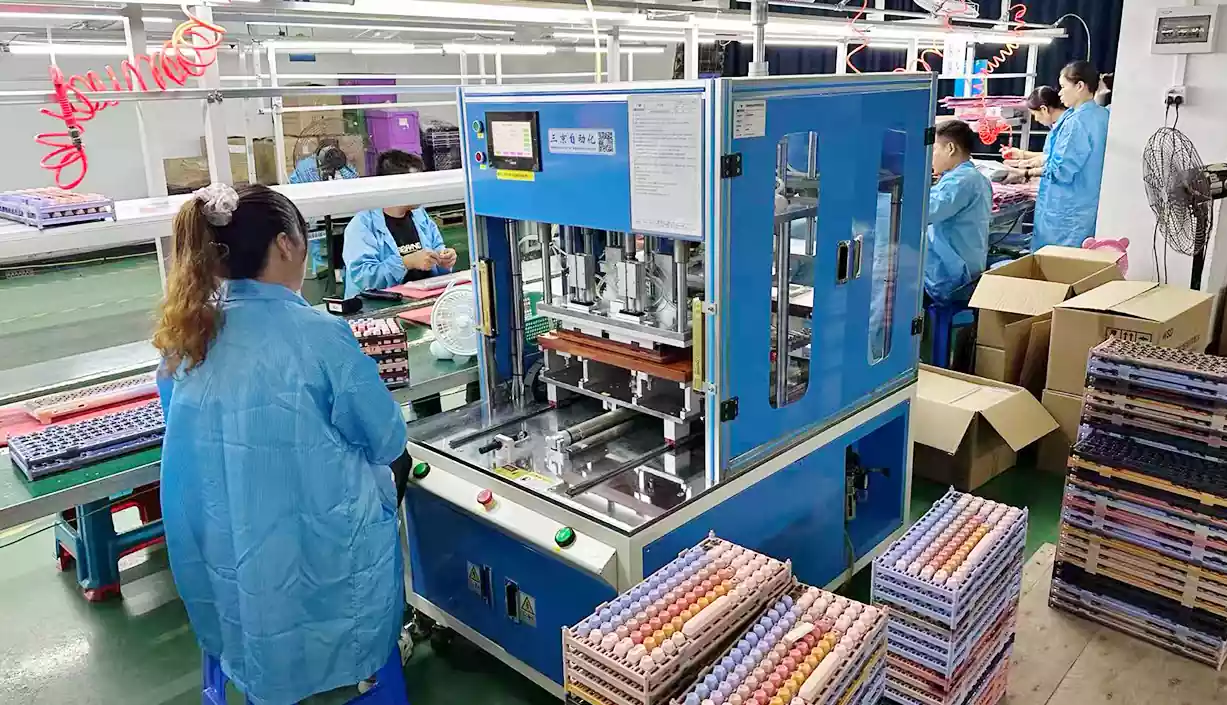
To create products of reliable quality, Hengcang Keyboard Manufacturer indeed needs a rigorous method for raw material selection. The table below summarises the material selection considerations for key keyboard components to help you quickly grasp the key points.
| Keyboard Components | Core Material Selection Considerations | Preferred Material Directions |
|---|---|---|
| Keycaps | Wear resistance, anti-oiling, tactile feel, character clarity, processability | PBT (high strength, anti-oiling), ABS/PC alloy (scratch-resistant), polymers with recycled content |
| Casings/Structural Parts | Structural strength, dimensional stability, and environmental resistance (e.g., corrosion resistance) | 6061-T6 aerospace aluminium alloy (high strength), bamboo engineered wood (environmentally friendly feature), POM (high rigidity, wear-resistant) |
| Internal Mechanical Structures | Durability, smoothness, fatigue resistance | Polyoxymethylene (POM), especially POM produced from bio-based methanol and/or recycled CO2 |
| Environmental Sustainability | Ratio of renewable and recyclable materials, environmentally friendly processes | Mechanical/chemical recycled polymers, bio-based renewable materials (e.g., tall oil derivatives), bamboo |

💡 Keycaps: The Frontier of Tactile Feel and Durability
Keycaps directly contact fingers, and their material profoundly affects typing feel, durability, and appearance.
PBT Material
PBT material is highly regarded for its high strength, heat resistance, and excellent anti-oiling ability — meaning the surface is not easy to become smooth and greasy with use. Keycaps made of PBT are usually more durable and have a dry tactile feel.
ABS and Its Alloys
ABS material is widely used in keycap manufacturing due to its excellent processability, relatively low cost, and ease of colouring. To enhance the performance of ordinary ABS, alloys are made by blending materials such as ABS/PBT/PMMA. These alloys combine the advantages of each component to achieve better scratch resistance, oil resistance, and dimensional stability.
Application of Sustainable Materials
The industry is also exploring the use of polymers containing recycled materials. For example, mechanically recycled polycarbonate or cellulose-based polymers derived from renewable resources are used in keycaps.
🛡️ Casings and Structural Parts: The Solid Foundation
Keyboard casings and internal structural parts determine the product’s overall structural strength, quality, and durability.
Metal Materials
For high-end or industrial-grade keyboards, casings may adopt metal materials such as 6061-T6 aerospace aluminium alloy. This type of material provides exceptional structural strength and durability.
Special Materials like Bamboo
To meet environmental or specific aesthetic needs, sustainable materials such as bamboo are also used for casings. For example, bamboo keyboard casings can be made of bamboo engineered wood or bamboo strips from 3-5-year-old fresh raw bamboo, and coated to prevent mould and decay.
High-Performance Engineering Plastics
Materials like Polyoxymethylene (POM) are often used to manufacture internal structural parts of keyboards (e.g., scissor switches — a scissor-like structure formed by a pair of crossing arms) due to their high rigidity, wear resistance, and dimensional stability.
🔬 Internal Mechanical Components: The Guarantee of Precision
A keyboard’s internal mechanical components, such as switch mechanisms and related structures, rely on material durability and stability — these directly impact the keyboard’s response speed and service life.
Application of Polyoxymethylene (POM)
POM material (especially POM produced from more sustainable sources like bio-based methanol) is ideal for mechanical components requiring high cycle life and reliability. Its key advantages include a low coefficient of friction, high wear resistance, and excellent fatigue resistance.
🌱 Environmental Protection and Sustainability: The Future Direction
With the increasing environmental awareness, considering sustainability in material selection has become an important criterion for outstanding manufacturers.
Using Recycled and Renewable Materials
This includes adopting mechanically recycled polycarbonate, chemically recycled polyester polymers, or bio-based, renewable polycarbonate in components such as keycaps and backlight modules. The goal is to increase the total recycled and renewable content of the keyboard.
Choosing Naturally Renewable Materials like Bamboo
As mentioned earlier, using bamboo that meets specific standards to make keyboard casings is a way to fulfil environmental demands.
📝 Quality Verification After Material Selection
After selecting materials, strict verification is crucial.
Performance Testing
Conduct rigorous performance tests on materials, such as scratch resistance tests (e.g., meeting the requirement of 5 million scratch cycles) and physical and chemical property tests (e.g., moisture content, salt spray resistance, character wear resistance, bonding strength between keycaps and key bases).
Process Compatibility Evaluation
Assess whether the material is suitable for production processes. For example, check if certain materials are easy to process via laser engraving to obtain clear characters.
Establishing Supplier Standards
Put forward clear requirements for raw material suppliers and build stable cooperative relationships to ensure reliable material sources and stable quality. For instance, in bamboo keyboard manufacturing, bamboo materials should be made from 3-5-year-old fresh raw bamboo; plastic components and electrical components must comply with relevant national standards.
We hope this introduction to how Hengcang Keyboard Manufacturer selects high-quality raw materials will be helpful to you. If you have more in-depth questions about specific types of materials or a certain keyboard component, I am happy to provide more information.