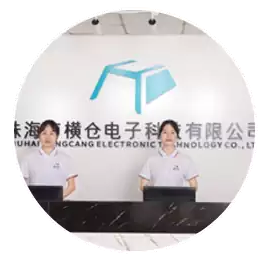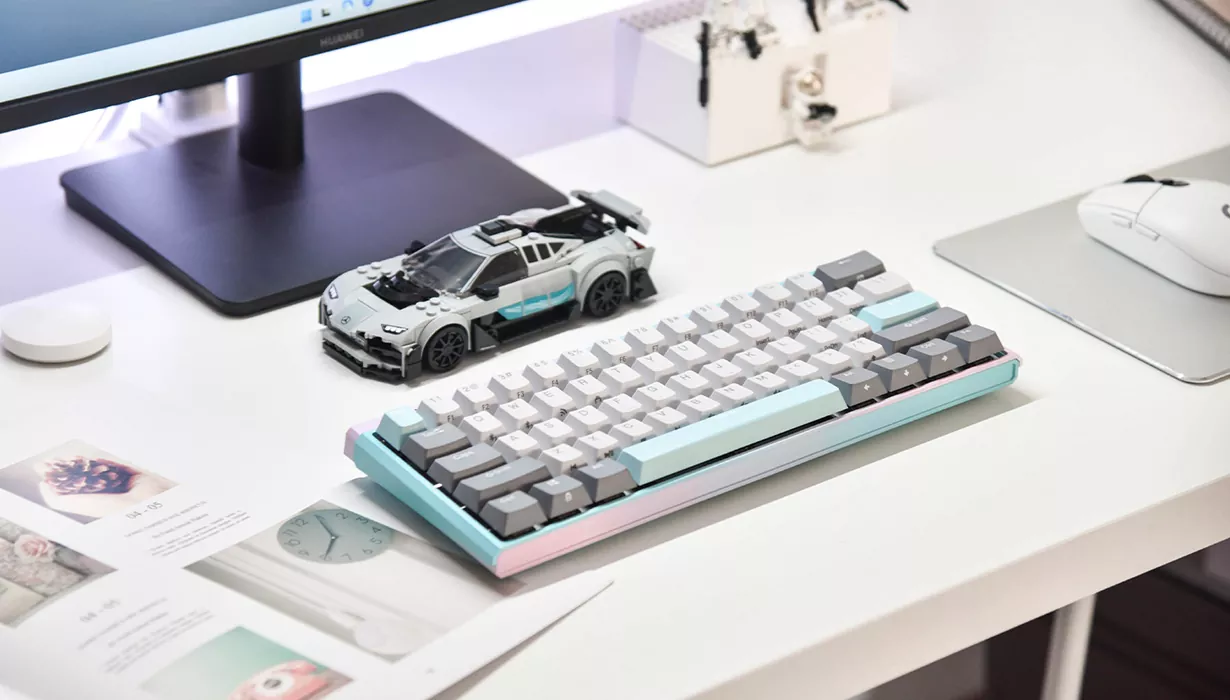
For many brands, collaborating with an OEM factory feels like a "black box process"—they have no clear idea of the steps their products go through. Based on industry-standard workflows and HengCang Tech’s service model, this article systematically unveils the full journey of a professional keyboard OEM/ODM project, from kickoff to delivery, and shows how consistent high-end quality is guaranteed.
Phase 1: Needs Alignment & Strategic Consensus
Collaboration starts with in-depth communication between the brand and the factory. Brands need to clarify product positioning (e.g., gaming keyboards, POS keyboards, or custom mechanical keyboards), target markets, functional requirements, and budgets. As an ODM manufacturer, HengCang Tech’s value lies in providing professional market insights and design recommendations at this stage, helping clients turn vague concepts into actionable product definitions. Once both parties reach an agreement, a formal contract is signed to clarify responsibilities and rights—laying the legal foundation for smooth collaboration ahead.
Phase 2: Collaborative Design & Prototype Validation
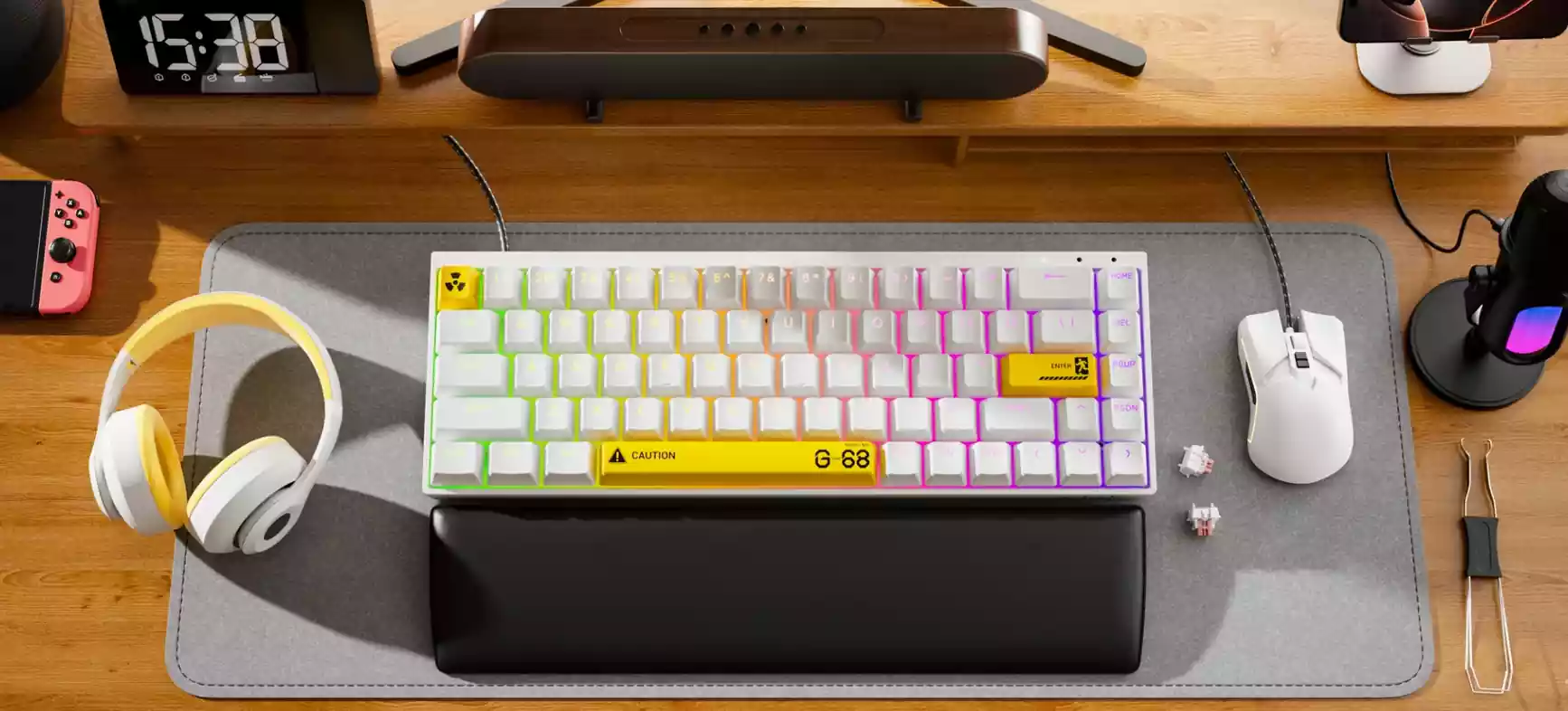
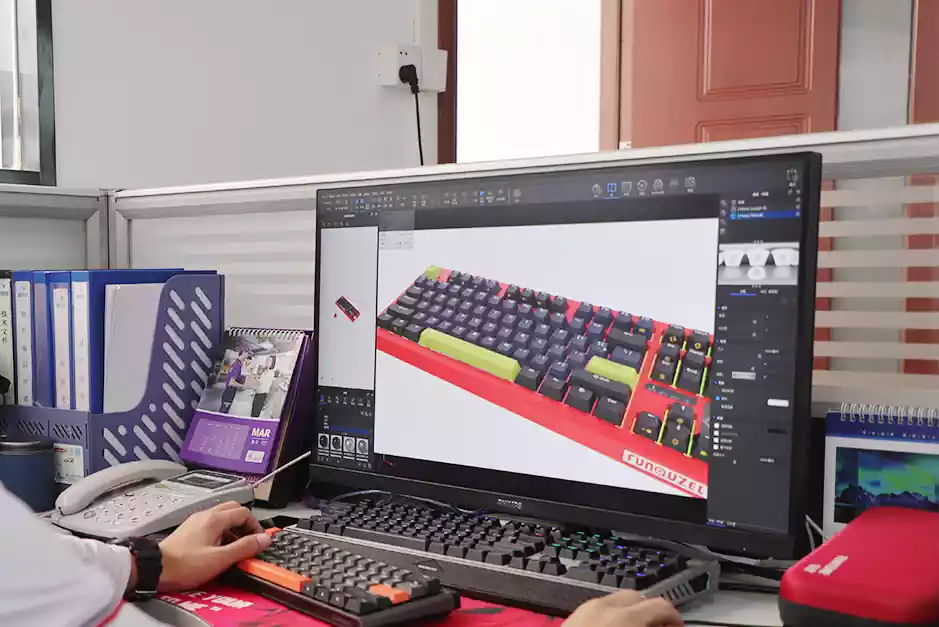
This is where the core value of the ODM model shines. HengCang-Tech’s dedicated design team steps in to handle product ID (industrial design), structural design, PCB circuit design, and software development. After design finalization, the project moves to prototyping. Creating samples that fully meet the brand’s requirements is a critical step before mass production. HengCang Tech conducts repeated testing and adjustments during this phase, especially refining the key feel it emphasizes, until the prototype gets the client’s final approval.
Phase 3: Production Preparation & Smart Manufacturing
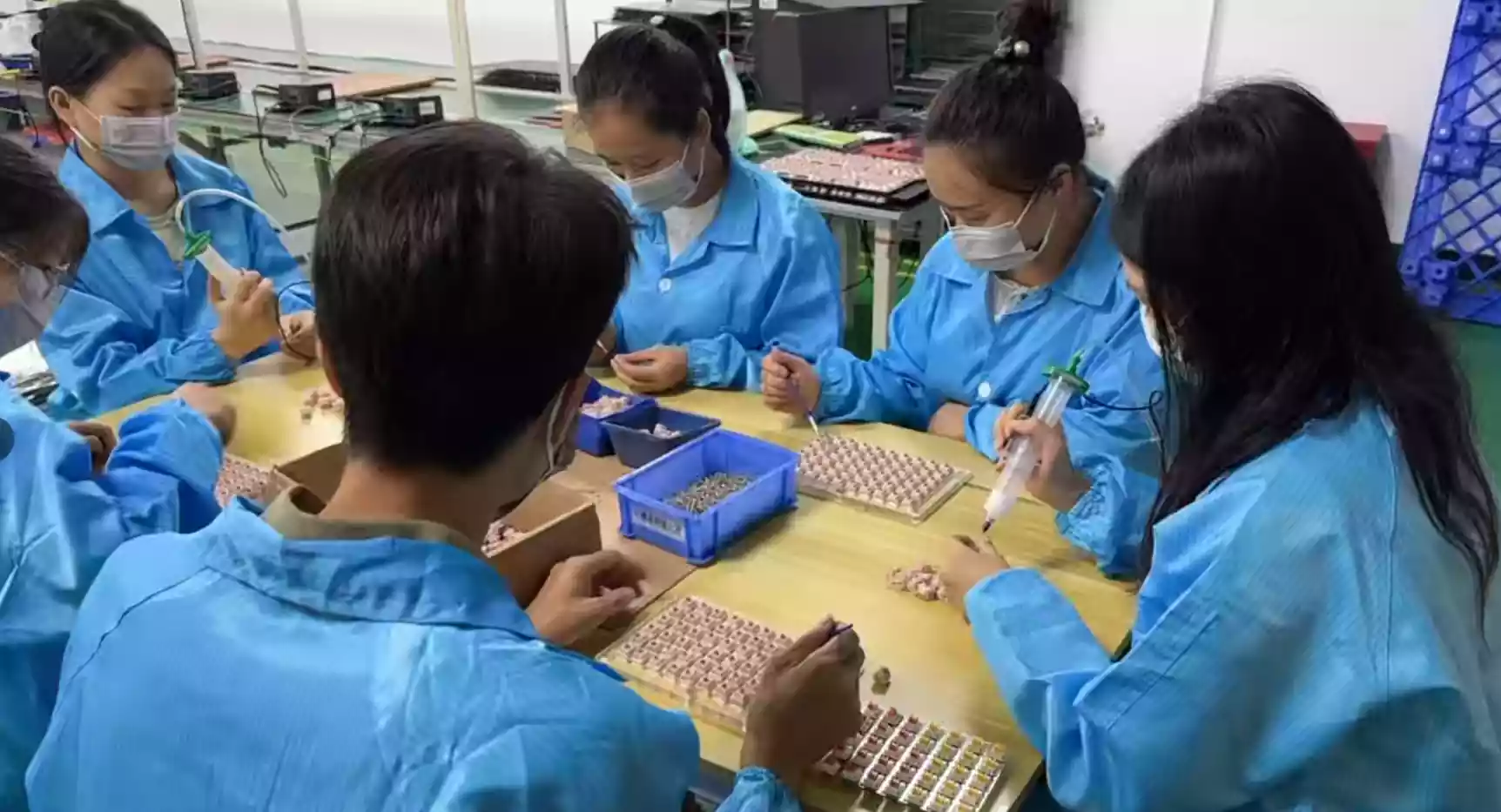
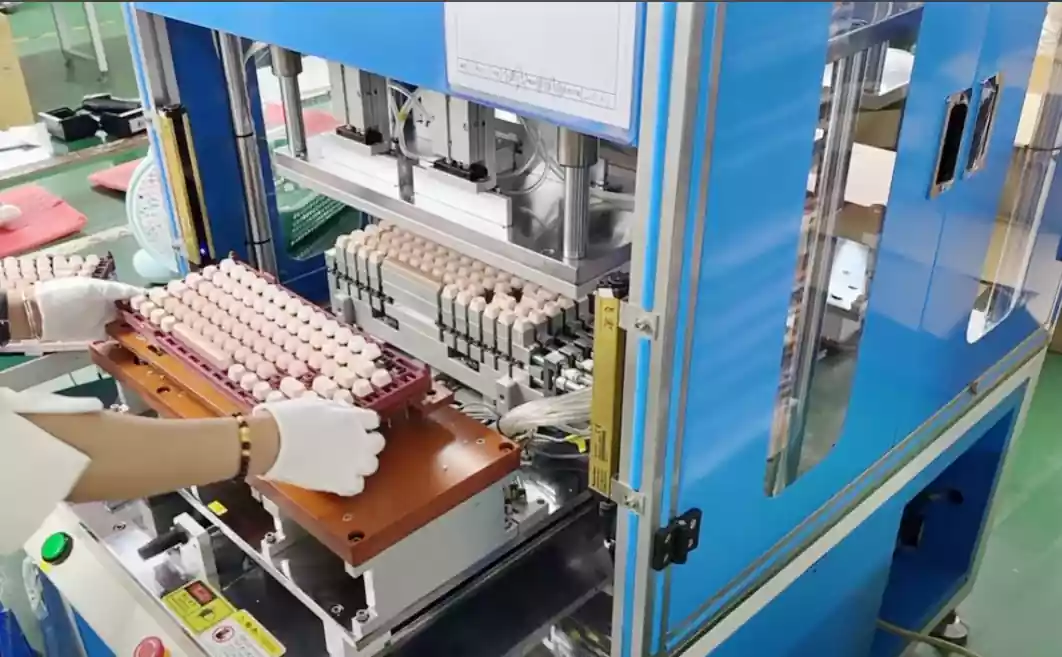
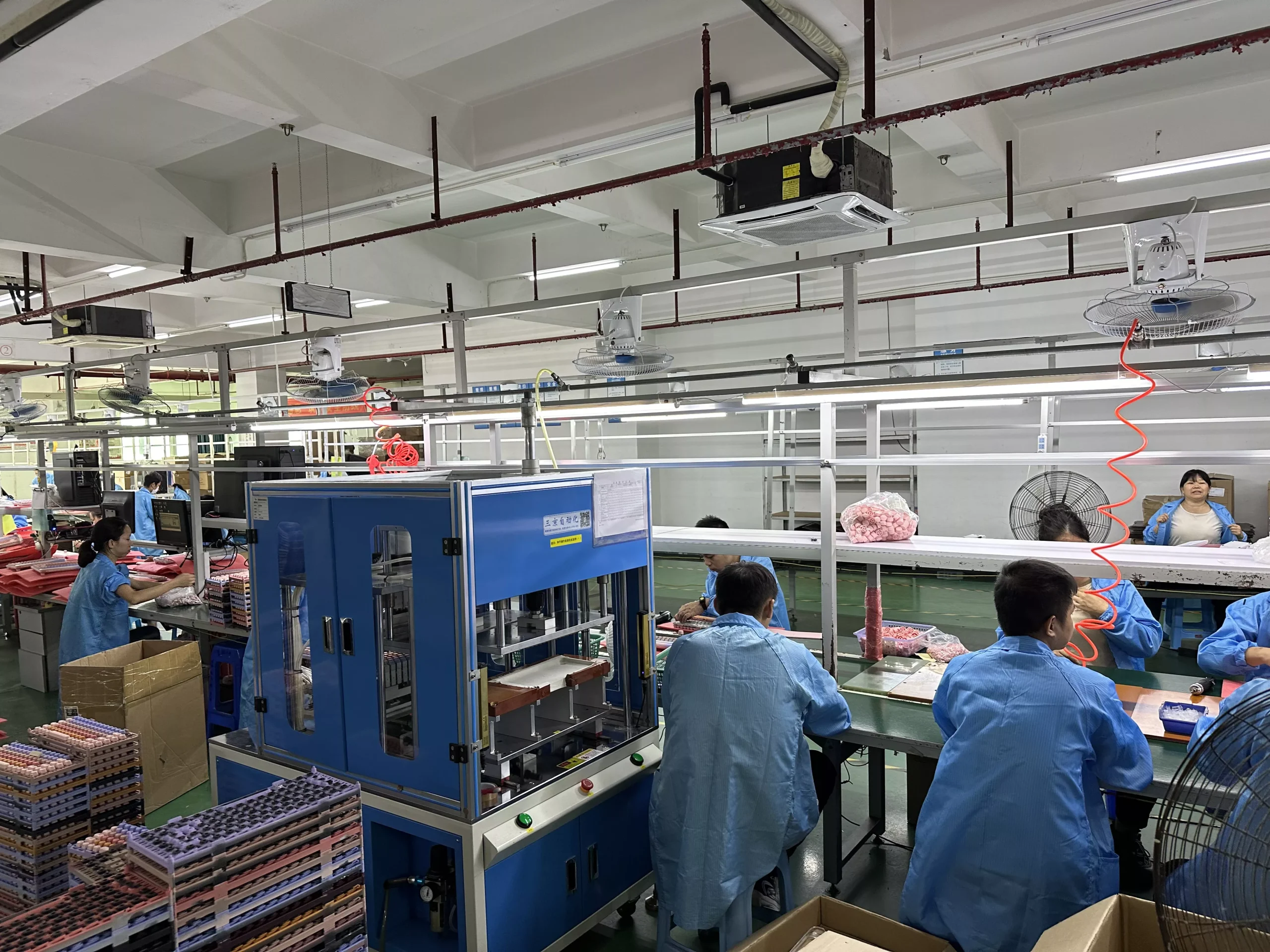
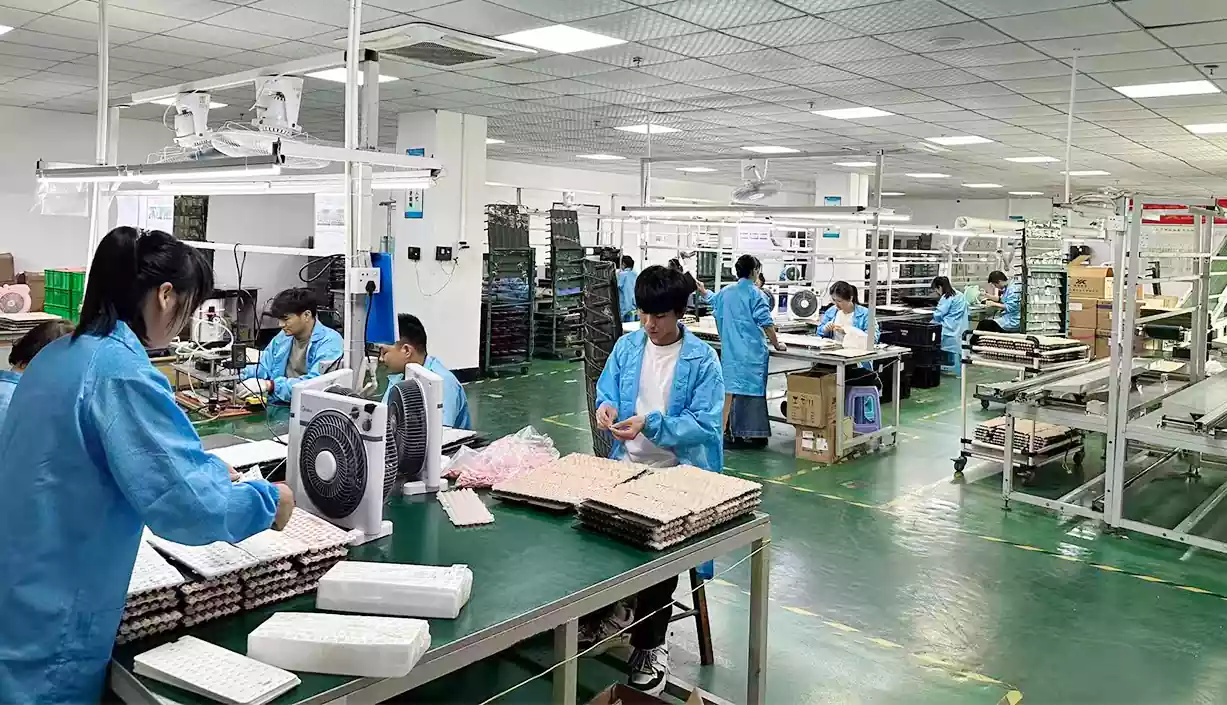
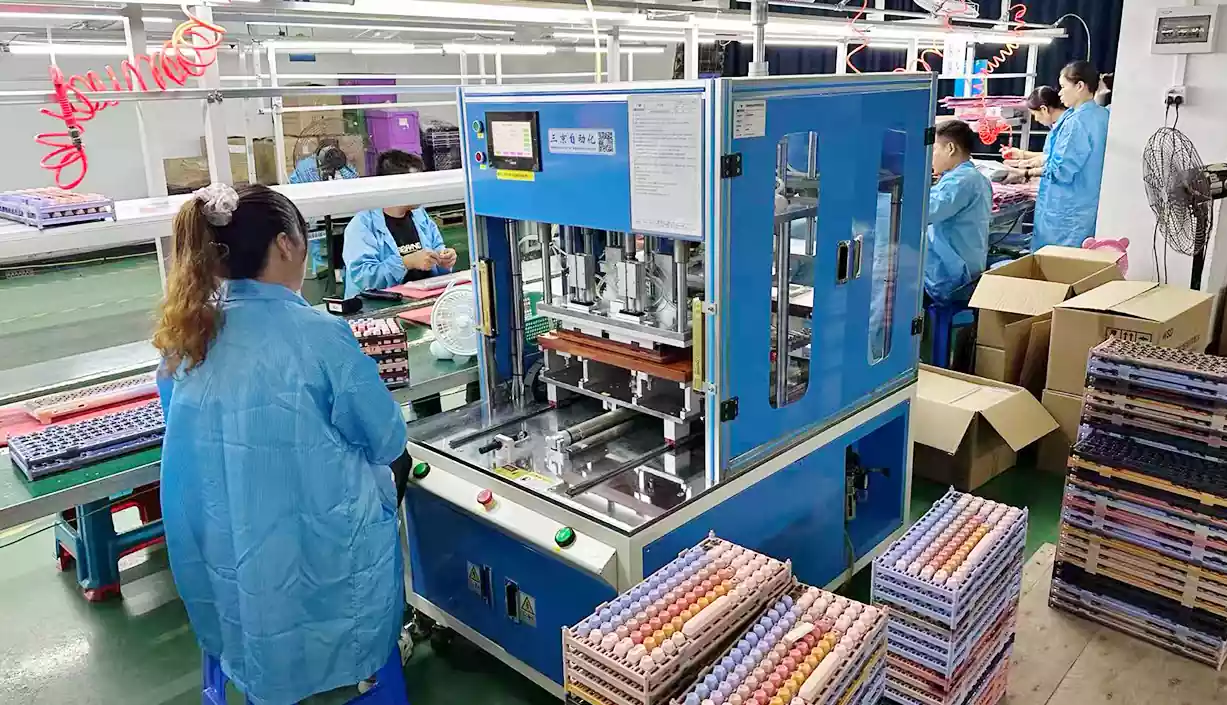
Once the prototype is confirmed, the factory begins preparing for mass production—including material sourcing, production line debugging, and staff training. Modern factories like HengCang-Tech have integrated smart elements into their production processes. For example, ERP (Enterprise Resource Planning) systems connect production, procurement, and inventory management, enabling real-time information sharing and collaboration. Managers can monitor production progress in real time to ensure plans stay on track. The adoption of intelligent warehouse robot systems also allows efficient management of large volumes of materials, boosting warehousing efficiency and accuracy.
Phase 4: Mass Production & Strict Quality Control
With all preparations in place, the factory launches large-scale production while maintaining strict quality oversight. Quality control runs through every step—not just functional testing of finished products, but also real-time monitoring of the production process. For instance, smart systems enable traceability of each product’s manufacturing equipment and timestamp. If an issue arises, the root cause can be identified immediately. Backed by its production quality team, HengCang Tech ensures every keyboard leaving the factory undergoes rigorous inspection, delivering consistently reliable quality.
Phase 5: Logistics Delivery & After-Sales Support
Qualified products are packaged and shipped to the brand or designated locations. A professional OEM partnership doesn’t end with delivery. Providing strong after-sales support—including addressing customer feedback, offering technical assistance, and conducting ongoing quality tracking—is key to building a long-term win-win collaborative relationship. Upholding the philosophy of "Integrity & Mutual Success," HengCang-Tech strives to be a trusted long-term strategic partner for brands.