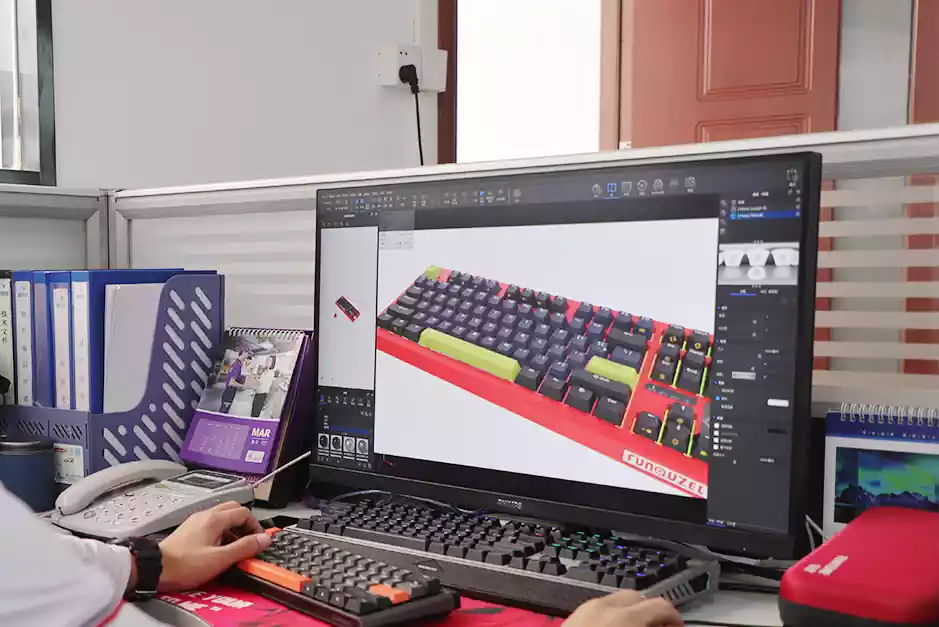
In the fiercely competitive consumer electronics market, choosing a reliable keyboard OEM/ODM partner for your brand is critical to product success. The core of assessing a keyboard factory lies in a comprehensive, systematic review of its production capacity—not just whether it can deliver orders on time, to specification, and in quantity, but also how it shapes your product’s long-term market competitiveness and brand reputation. This article outlines a multi-dimensional evaluation framework, using industry-leading manufacturer HengCang Technology as a real-world case study to reveal the hard power of a top-tier keyboard factory.
I. Hardware Foundation: Automation Level and Smart Manufacturing Systems
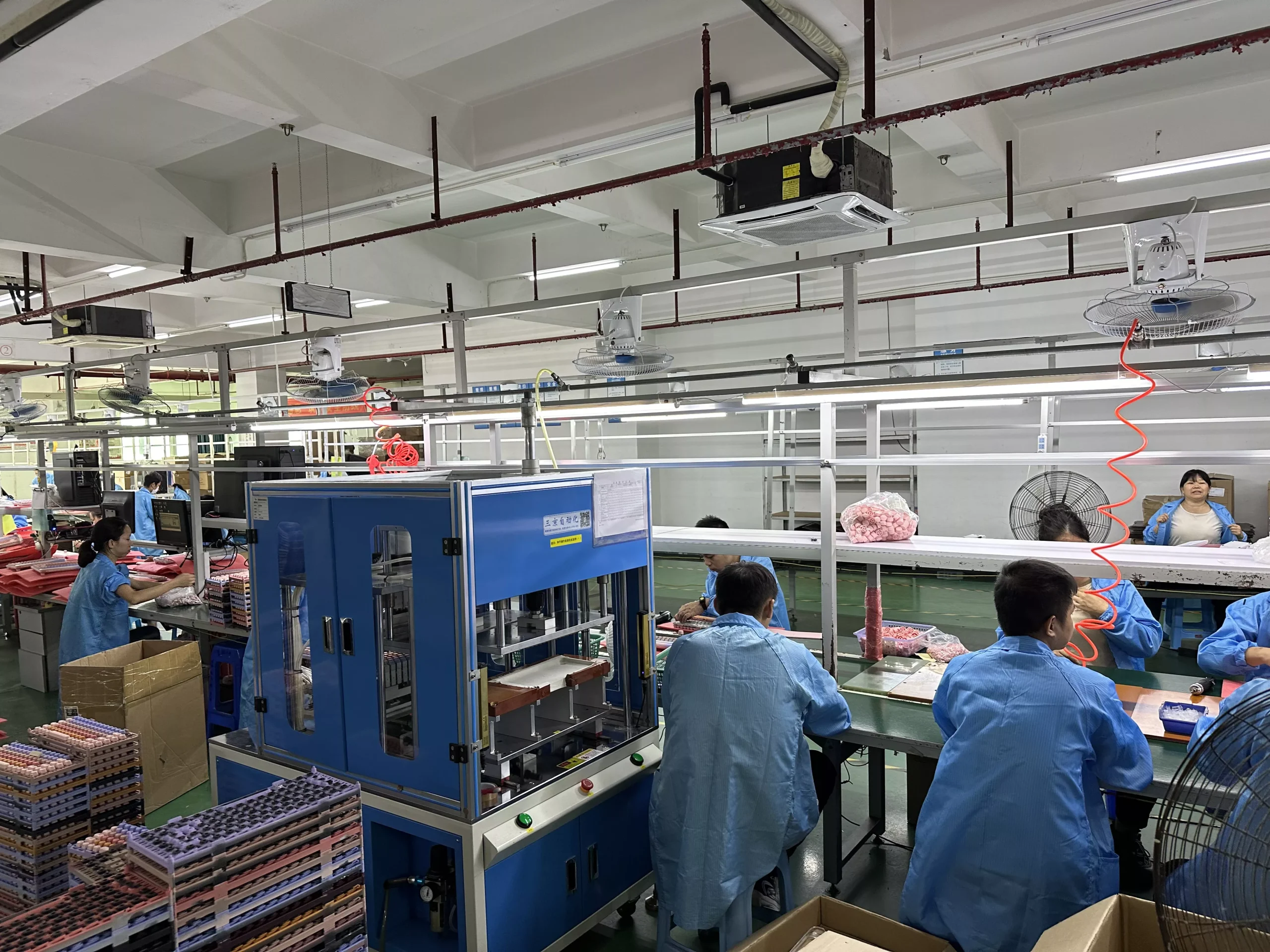
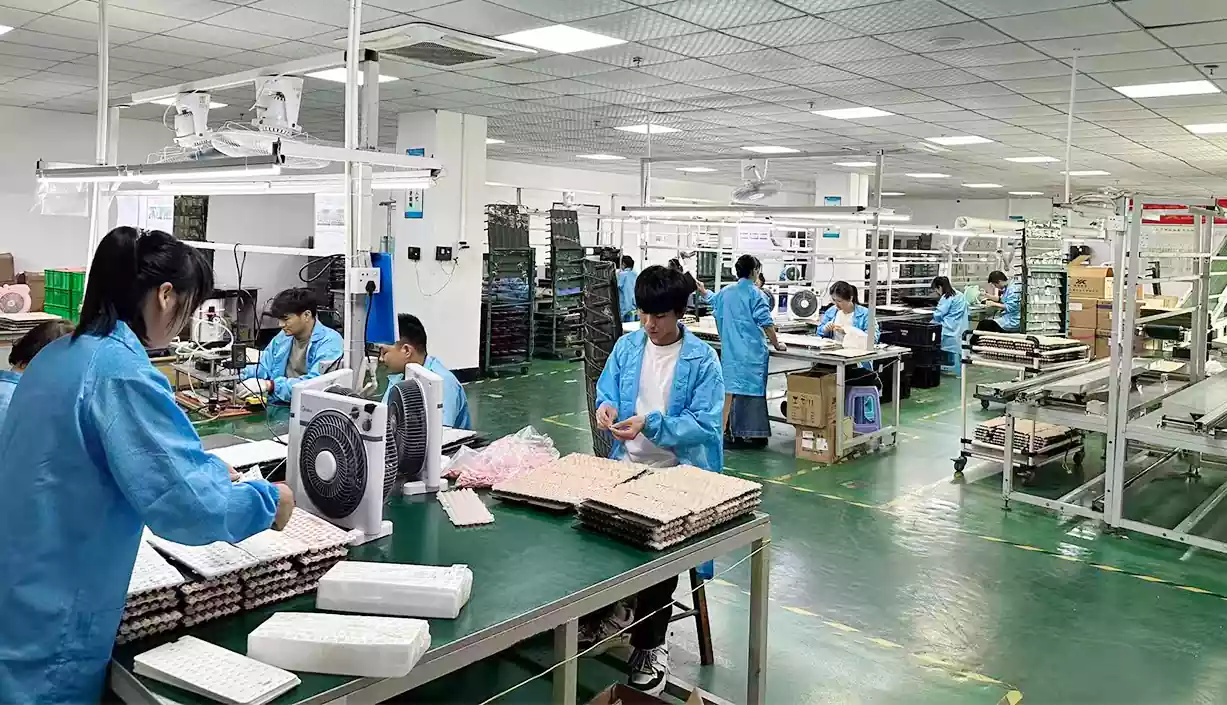
The physical basis of production capacity is directly reflected in a factory’s hardware facilities and automation degree. Traditional labor-intensive production lines can no longer meet modern market demands for efficiency, consistency, and flexibility.
Core Value of Automated Production Lines
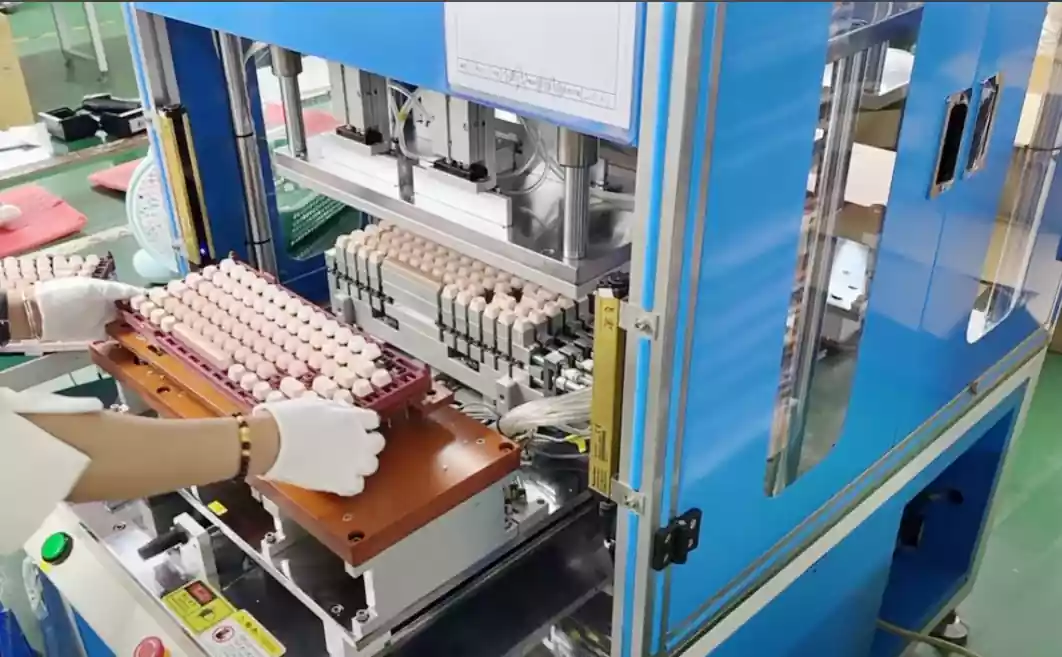
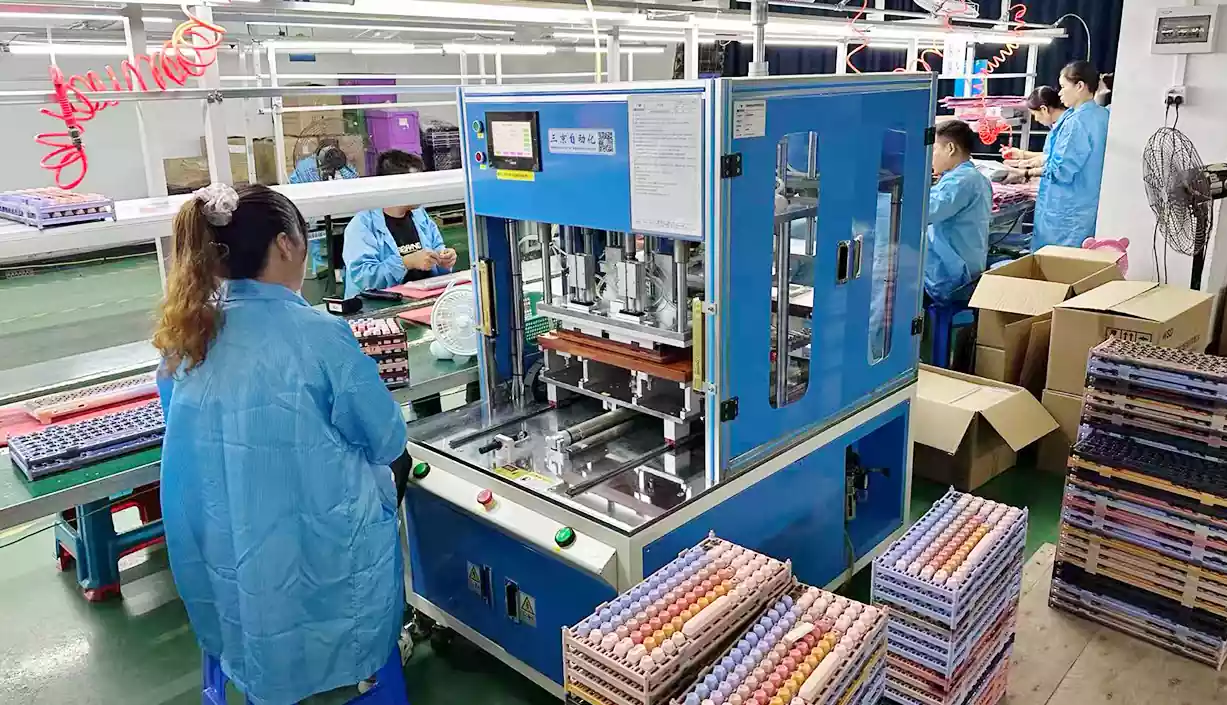
Highly automated production lines are key to boosting capacity, stabilizing quality, and reducing costs. For example, Chongqing Xubao Technology Co., Ltd. developed an "automated scissor module" keyboard production line. Compared to traditional lines, it cuts labor costs by 75%, raises yield rates to 98%, achieves a daily output exceeding 2,000 units (with plans to hit 2,400), all backed by over 20 million RMB in R&D investment and a complete restructuring of production processes. Automation not only replaces repetitive labor but also ensures consistency in every assembly step through precision machinery—this is the technical prerequisite for high-end commitments like "batch tactile tuning."
Insights from HengCang Technology’s Practice
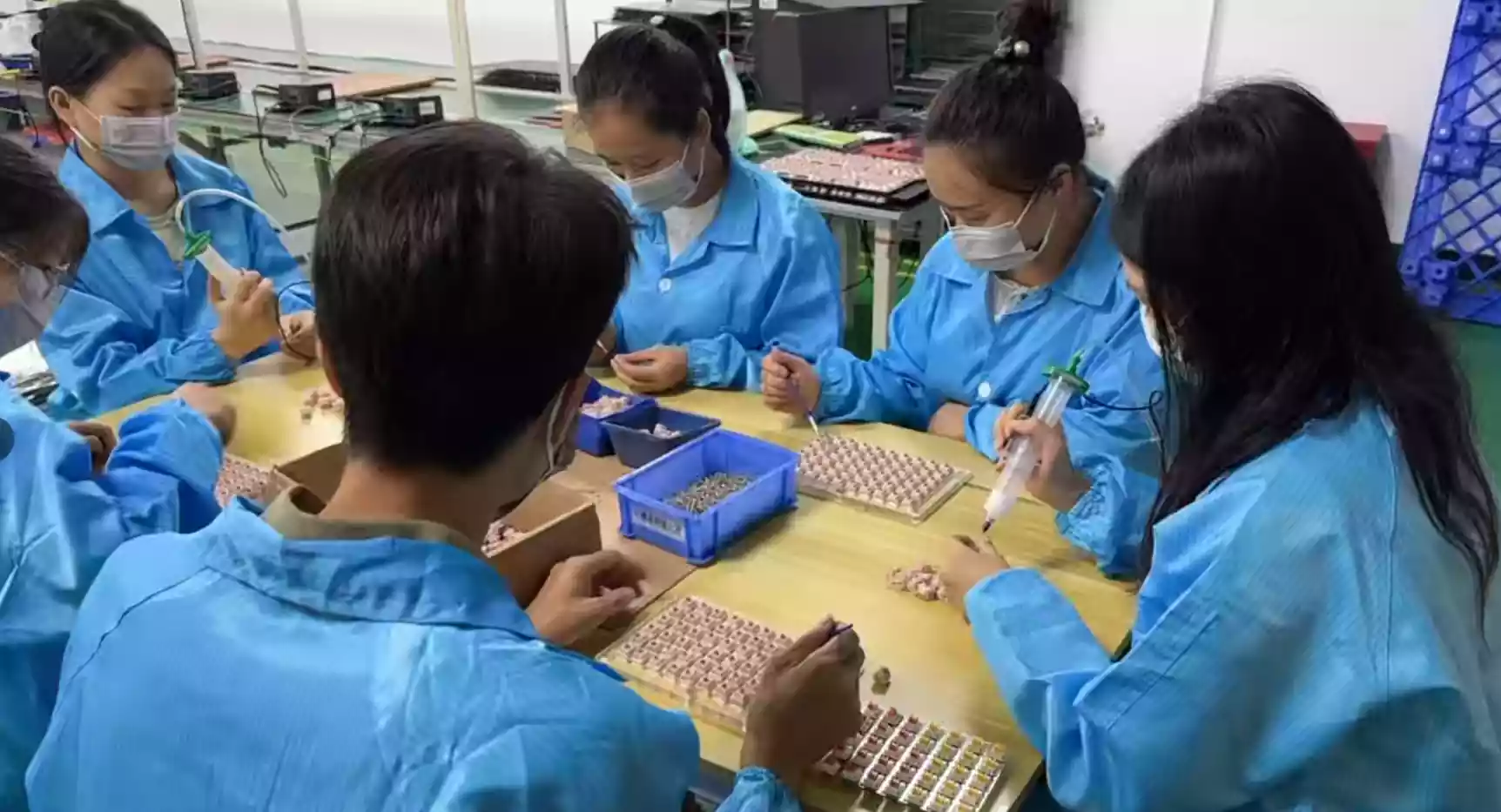
While search results don’t detail HengCang Technology’s automation specifics, as a company claiming to be "the first in the industry to achieve batch tactile tuning" and focusing on high-end manufacturing[^Search Results], it must have adopted high-precision automated equipment for core production links (e.g., switch installation, key testing, and assembly). During evaluation, focus on:
- Automation coverage in critical processes (SMT assembly, automated assembly, visual inspection, laser marking).
- Equipment flexibility to quickly switch between different keyboard models.
II. Software Core: Digital Management and Full-Process Traceability
The "brain" of a modern factory is its digital management system. Only the integration of hardware and software can realize true smart manufacturing.
Manufacturing Execution System (MES) and End-to-End Traceability
MES serves as the neural hub connecting planning and execution. Top factories assign a unique "digital ID (e.g., QR code)" to each product, enabling full-process data collection and monitoring—from material input to finished product shipment. This means every keyboard’s production time, workstation, materials used, and test data are traceable. It not only facilitates rapid location and recall of quality issues but also optimizes production parameters through big data analysis. Xubao Technology’s production lines are equipped with MES to ensure "no unqualified products leave the factory."
In-Depth Integration of Enterprise Resource Planning (ERP)
ERP integrates core resources like supply chain, production, sales, and finance. Factories that adopted high-end ERP systems like Germany’s SAP from the start (e.g., Xubao Technology) demonstrate foresight in resource planning, cost control, and supply chain collaboration. ERP enables intelligent inventory alerts, order-based automatic production scheduling, and financial-business integration, fundamentally improving operational efficiency and market responsiveness. During evaluation, assess:
- Integration between ERP and MES.
- Support for complex scenarios (multi-warehouse management, off-site collaboration).
HengCang Technology’s Systematic Capabilities
HengCang Technology has a "dedicated design team and production quality team"[^Search Results], indicating its management relies on a mature digital platform to coordinate the full process—from design and procurement to production and quality control. This system underpins its ODM commitment to "provide comprehensive services from product design to production and delivery based on customer needs"[^Search Results].
III. Quality Lifeline: Quality Control Systems and Standardized Processes
Production capacity ultimately serves "quality." A rigorous, quantifiable quality control system is the lifeline of a factory’s reputation.
International Certifications and Standardized Processes
ISO 9001 quality management system certification is a basic requirement. Going deeper, evaluate the factory’s ability to pass audits for specific market access. For example, keyboards exported to South Korea require KC certification, with extremely strict factory inspection requirements: eight documented procedures including product change control, quality record management, routine and confirmation inspections, non-conforming product control, key component inspection, and internal audits. This is a comprehensive test of the quality management system’s maturity.
Full-Link Quality Control Nodes
Quality control must run through the entire process:
- Incoming Quality Control (IQC): Strict inspection of all materials (switches, keycaps, PCBs, casings).
- In-Process Quality Control (IPQC): Multiple inspection points on the production line to monitor process parameters and semi-finished product quality in real time.
- Final Quality Control (FQC) and Outgoing Quality Control (OQC): 100% or sampling inspection of finished products for function, performance, and appearance.
- Reliability Testing: Lab-based tests (tens of millions of key presses, high-low temperature resistance, humidity resistance, drop tests) to simulate extreme usage conditions.
HengCang Technology’s Quality Commitment
HengCang Technology’s products are known for "solid craftsmanship and superior quality"[^Search Results]—a claim backed by its "production quality team" and "batch tactile tuning" technology, which rely on full-link quality control and extensive reliability test data. During evaluation, request a tour of its quality inspection laboratory to assess test standards and equipment capabilities.
IV. Supply Chain and Collaborative Ecosystem: Guarantees of Stability and Flexibility
Keyboard production cannot be completed by a single factory; its capacity is highly dependent on upstream supply chains and internal collaboration efficiency.
Depth and Breadth of the Supply Chain
Keyboard production involves multiple links (mold making, plastic/metal processing, switches, electronic components), often requiring "collaboration between multiple factories." A strong keyboard factory must have a stable, high-quality, and diversified supplier network. For example:
- Are molds developed by professional manufacturers?
- Do reliable partners handle surface treatments like CNC machining and anodization? Evaluating the factory’s ability to mitigate supply chain risks (e.g., chip shortages) is crucial.
Internal Collaboration and Design Optimization
A factory’s Design for Manufacturability (DFM) capabilities directly impact production efficiency and yield rates. Top ODM manufacturers consider production feasibility during the design phase, following principles like minimizing part count, reducing custom components, shortening production cycles, simplifying processes, and enabling automation. For example:
- Optimizing design to reduce screws and using snap connections.
- Prioritizing surface-mount devices (SMDs) over through-hole components for automation.HengCang Technology’s design team adds value not just through aesthetic innovation, but also by ensuring manufacturability and high yield rates from the start.
Environmental Protection and Social Responsibility
Modern manufacturing must balance development with environmental protection. For example, Guirong Plastic invested nearly 7 million RMB in catalytic combustion equipment to treat waste gas from spraying processes, achieving compliant emissions. This reflects a factory’s long-term mindset and social responsibility—key to sustainable operations.
V. Innovation and Sustainability: Drivers for Future Development
Static production capacity becomes obsolete; continuous technological innovation and process iteration are the sources of a factory’s long-term competitiveness.
R&D Investment and Patent Portfolio
A factory’s patent count and focus are direct indicators of its technical strength. For example:
- Guirong Plastic holds over 30 patents and has established a professional quality testing laboratory and a 100-person technical service team.
- Xubao Technology has applied for multiple national invention patents for its automated production lines. These patents cover innovations from measuring tools and auxiliary jigs to core production equipment—tangible proof of its ability to solve production pain points and improve efficiency.
Flexibility to Adapt to Market Changes
Market demands evolve rapidly: from traditional keyboards to mechanical keyboards, wired to wireless, standard products to custom designs. Evaluate:
- Can the production line quickly switch between products?
- Does its technical reserve support new materials (e.g., carbon fiber) and processes (e.g., Gasket structure)?HengCang Technology lists "custom keyboards" as a core business[^Search Results], requiring a highly flexible and responsive production system.
Conclusion: HengCang Technology—A Model of Systematic Production Capacity Building
Looking back at HengCang Technology through the five dimensions above, its image becomes clear: it is not just a "place that makes keyboards," but an integrated, systematic capability platform combining R&D and design, smart manufacturing, precision quality control, supply chain management, and continuous innovation.
- Its claim of "20 years of focus on mechanical keyboard production" reflects accumulated experience[^Search Results].
- Being "the first in the industry to achieve batch tactile tuning" demonstrates process depth and technical confidence[^Search Results].
- Its "dedicated design team and production quality team" form the dual engines of ODM services and quality assurance[^Search Results].
While search results don’t show the full picture of its production lines, it’s reasonable to infer that supporting high-end gaming keyboards, POS keyboards, and custom keyboards—while earning a reputation for "superior quality"[^Search Results]—requires HengCang Technology to have made in-depth investments in automation, digitalization, quality control systems, and supply chain management.
Thus, when evaluating any keyboard factory, follow the example of deconstructing HengCang Technology: look beyond simple capacity figures and delve into its five core capabilities—hardware automation, software digitalization, quality systematization, supply chain resilience, and innovation sustainability. Only such systematic capabilities can serve as a trusted, long-term manufacturing partner for brands competing in a fierce market.