Selecting a trustworthy keyboard OEM/ODM manufacturer is a critical decision that impacts your product quality, market competitiveness, and long-term business growth. It requires more than just comparing quotes—you need to conduct a holistic assessment of the factory’s capabilities, from tangible facilities to intangible expertise. Below is a detailed, actionable guide to help you make an informed choice:
I. Evaluate the Factory’s Tangible Strengths and Intangible Capabilities
A factory’s comprehensive strength combines visible hardware and invisible technical/management prowess—both are non-negotiable for a reliable partnership.
On-Site Inspection of Factory Environment and Equipment
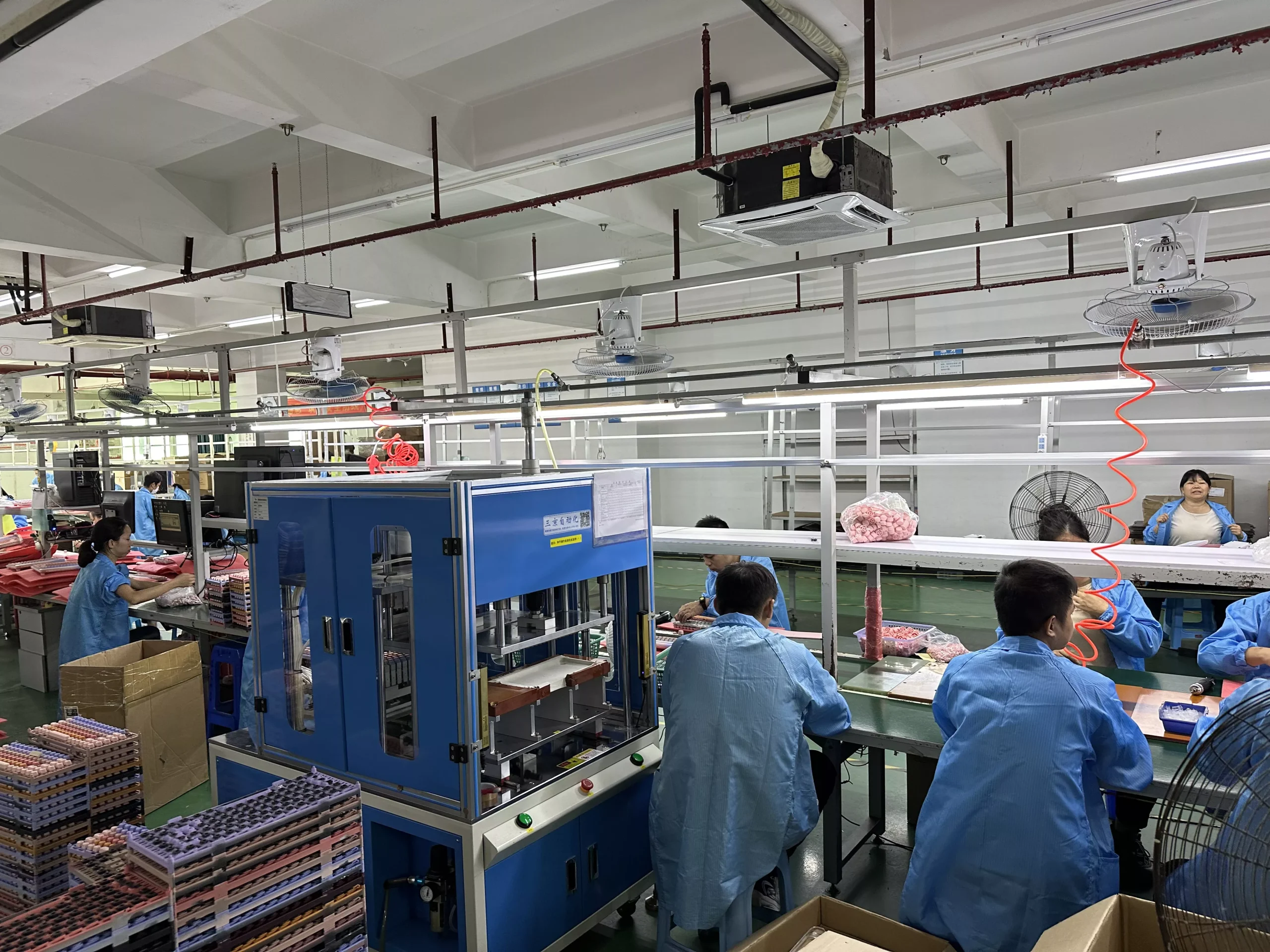
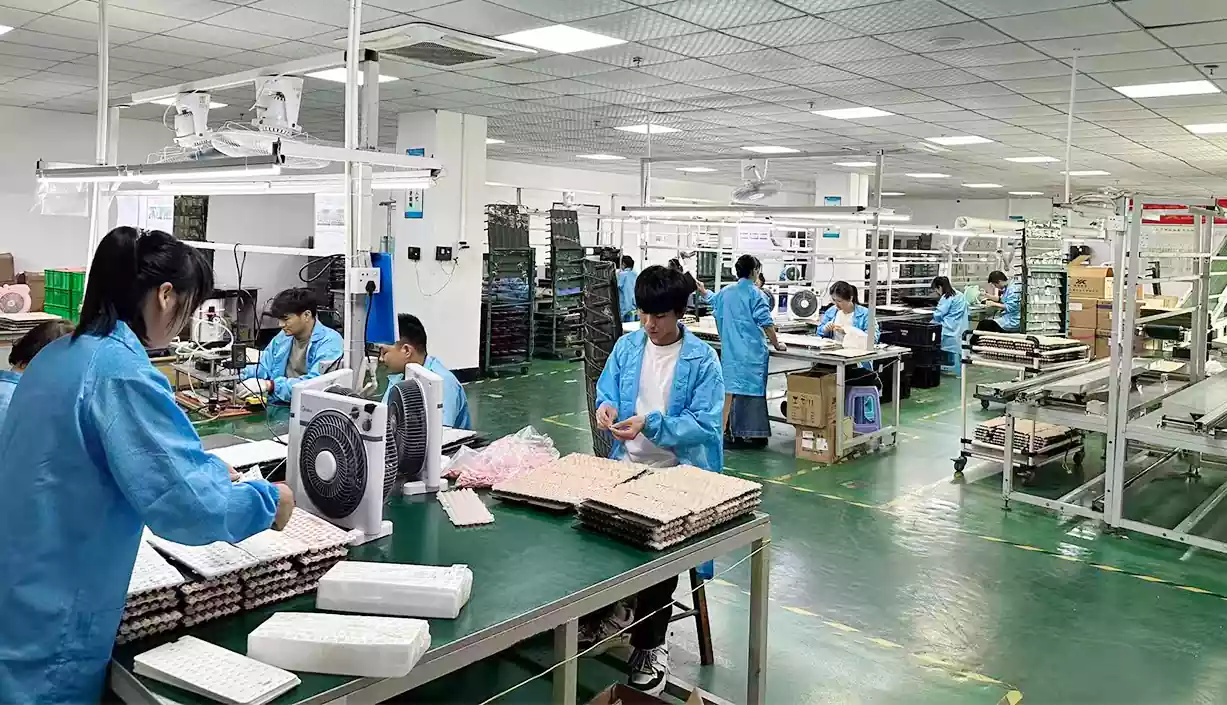
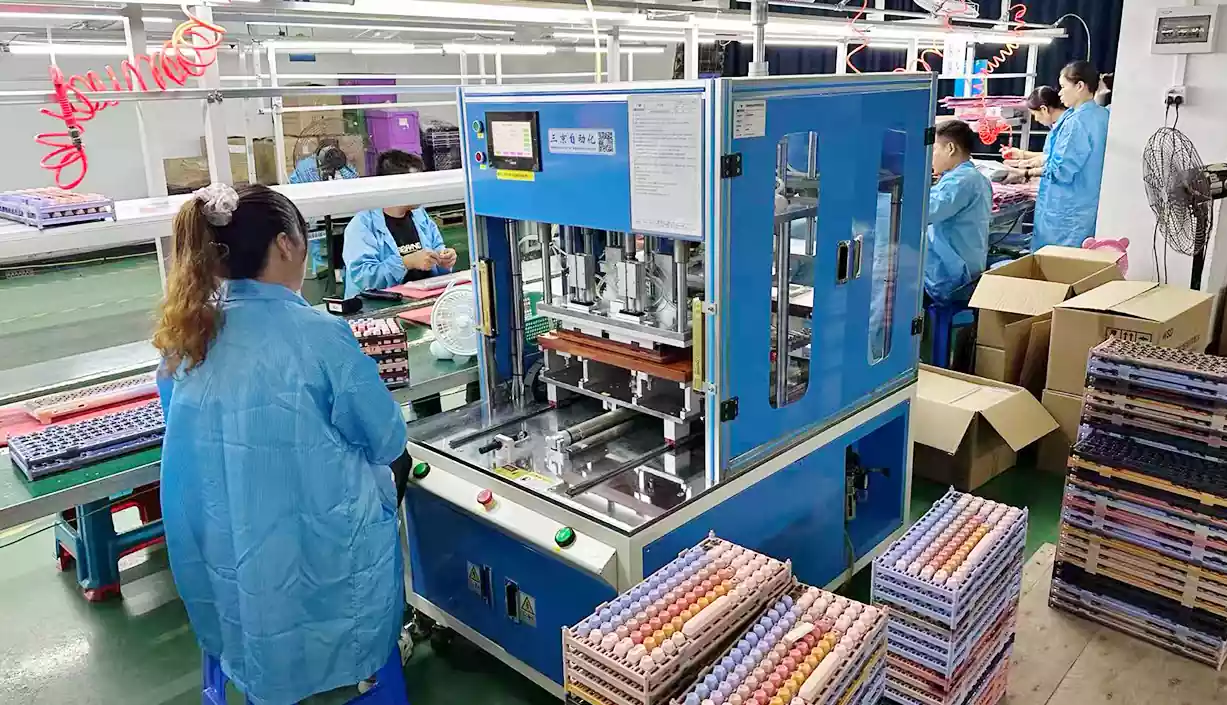
Samples alone can’t reflect a factory’s true capabilities. If conditions permit, conduct an on-site inspection of the OEM manufacturer, including its production base, workshops, and workflows. A standardized, clean factory environment is the foundation for efficient, stable production. During your visit, observe key factors:
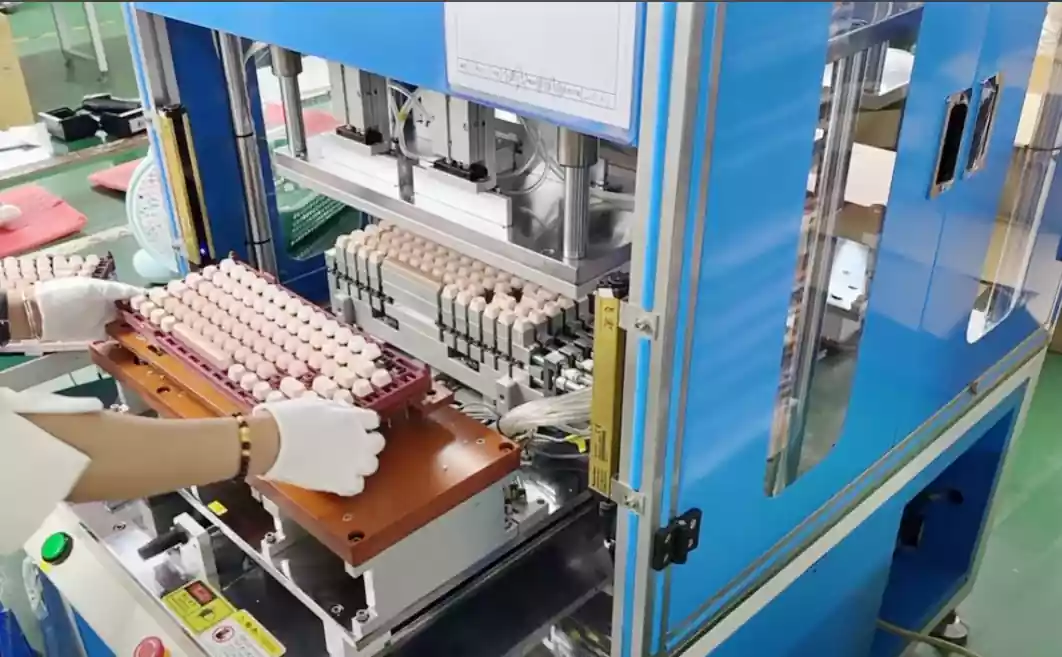
- The degree of automation in production lines (e.g., automated assembly robots, SMT assembly lines)
- Advanced nature and maintenance status of equipment
- Implementation of 5S management principles
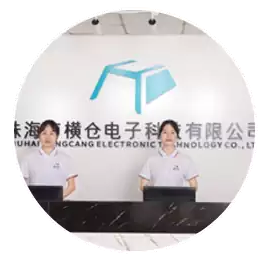
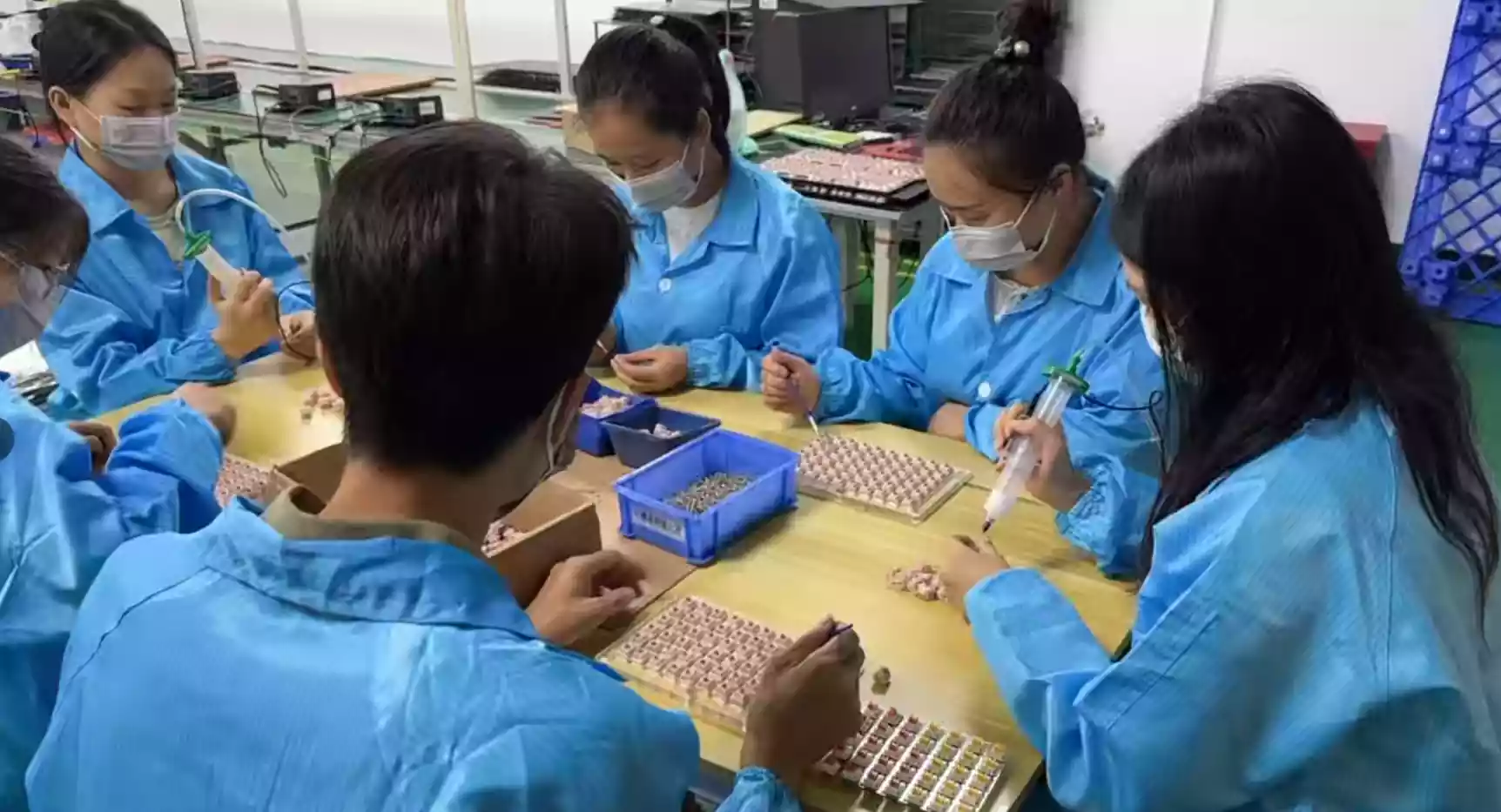
- Operational standardization of employees. Professional keyboard factories typically have core facilities like SMT assembly lines, automated assembly equipment, aging test rooms, and quality control laboratories. As a manufacturer with over 20 years of experience, HengCang Technology’s production base in Zhuhai Nanping Science and Technology Industrial Park has undergone long-term investment and construction to meet the demands of large-scale, high-quality production.
Assess R&D and Design Capabilities (ODM Competence)
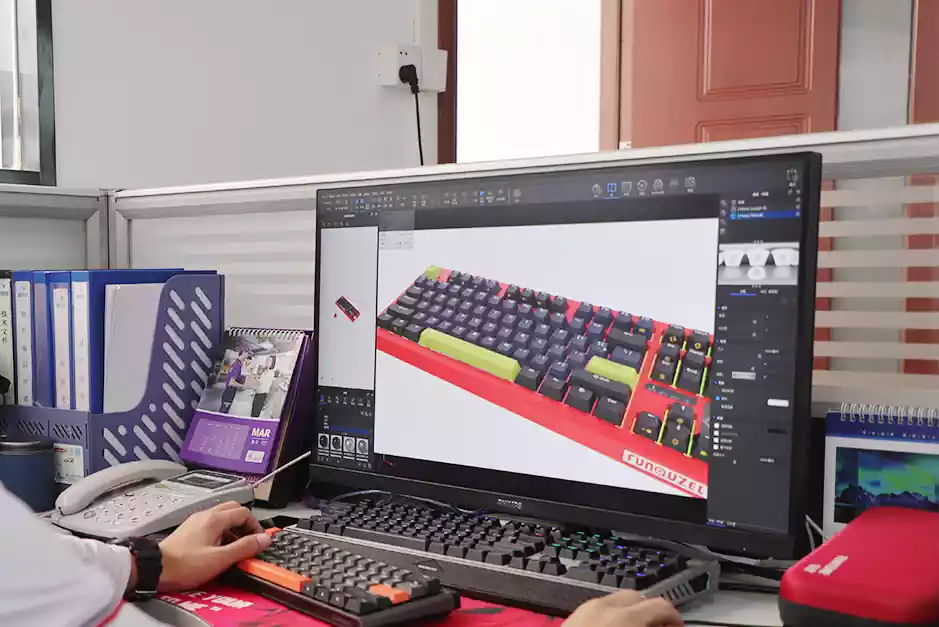
There’s a world of difference between an OEM factory that only produces to spec and an ODM factory that delivers end-to-end solutions. Factories with R&D capabilities offer deeper collaboration value—they don’t just manufacture products, but also participate in or lead early-stage product design, structural optimization, and material selection. This is invaluable for brands without in-house hardware R&D teams. HengCang Technology explicitly boasts a "dedicated design team" capable of providing full-cycle services from product design to production and delivery. This ODM competence allows it to optimize products at the source, helping clients enhance market competitiveness.
Verify Qualifications and Certifications
Qualifications are the basic threshold for cooperation:
- First, check the factory’s business license to confirm its authenticity and legality.
- For electronic products, international certifications such as ISO 9001 (quality management system), BSCI (social responsibility standards), and product certifications like CE, FCC, and RoHS are crucial. These certifications are tangible proof of standardized management and product safety. Many reputable factories in the industry—such as Shenzhen Xin’anbo Electronics and Jiangxi Xingji Electronics—hold multiple certifications,s including ISO 9001, CE, and FCC, which are basic industry requirements. A reliable factory will proactively showcase its qualifications and welcome verification.
II. Deep Dive into Quality Control and Supply Chain Systems
Reliability hinges on consistently delivering high-quality products, which relies on strict quality control (QC) and a robust supply chain.
Analyze the Quality Control System
Quality can’t depend solely on final inspections—it must be integrated into every production link. When evaluating a factory, ask:
- Does it have documented QC processes and standardized operating procedures (SOPs)?
- Is there IPQC (In-Process Quality Control) monitoring during production?
- Is the final outgoing inspection (OQC) comprehensive and systematic? Professional keyboard factories conduct 100% inspections or high-frequency spot checks on critical aspects like switch feel, key durability, PCB functionality, and appearance defects. HengCang Technology’s claim of "solid craftsmanship and superior quality," backed by a dedicated "production quality team," must be supported by a systematic QC process. Request specific data such as defect rates (DPPM) and test standards (e.g., key lifespan test cycles) to verify its claims.
Examine Supply Chain and Cost Control
A stable supply chain ensures on-time delivery. Key questions to ask:
- Does the factory have stable partnerships with upstream suppliers of critical components (e.g., mechanical switch manufacturers, main control chip suppliers)?
- Can it mitigate risks like chip shortages or material price fluctuations (e.g., maintaining safety stocks or collaborating with backup suppliers)?
- Does it use reputable components (e.g., Cherry, Gateron, or TTC switches; high-quality PCB materials)?
- Can it offer competitive pricing without compromising quality? With 20 years in the industry, HengCang Technology has undoubtedly built a mature supply chain network—this is the foundation of its ability to serve numerous clients reliably.
Evaluate Production Flexibility and Cooperation Attitude
Market demands change rapidly, and order volumes may fluctuate. A factory’s production flexibility—its ability to switch product models quickly and cost-effectively—is crucial, especially for brands with volatile orders or custom small-batch needs. Additionally, assess the factory’s cooperation attitude:
- Is the team professional, honest, and proactive in solving problems?
- Does it act as a strategic partner (thinking from the client’s perspective) rather than just an order executor?HengCang Technology lists "custom keyboards" as one of its core businesses, demonstrating the flexibility of its production lines.
III. Reference Industry Reputation and Success Cases
A factory’s past performance is a strong indicator of its future reliability.
Research Client Cases and Industry Reputation
Check which brands the factory has collaborated with—this reflects its credibility and product quality. Top brands have rigorous supplier audits; being their OEM partner is a powerful testament to a factory’s strength. You can:
- Ask the factory for client references (within the scope of non-disclosure agreements).
- Inquire about its reputation within industry circles. Historically, many well-known brands have long-term OEM partnerships: for example, from 2010 to 2014, Filco and Leopold partnered with Taiwan LiBao, while SteelSeries and ZOWIE worked with Mingzhe. While partnerships evolve, this trend shows that collaborating with top brands signals a factory’s competence.
Analyze Specialization and Industry Experience
No factory excels in all areas—look for experts aligned with your product positioning:
- For industrial-grade waterproof/dustproof metal keyboards, choose factories specializing in industrial keyboards (e.g., Yuyao Xianglong Communication, GETT Precision).
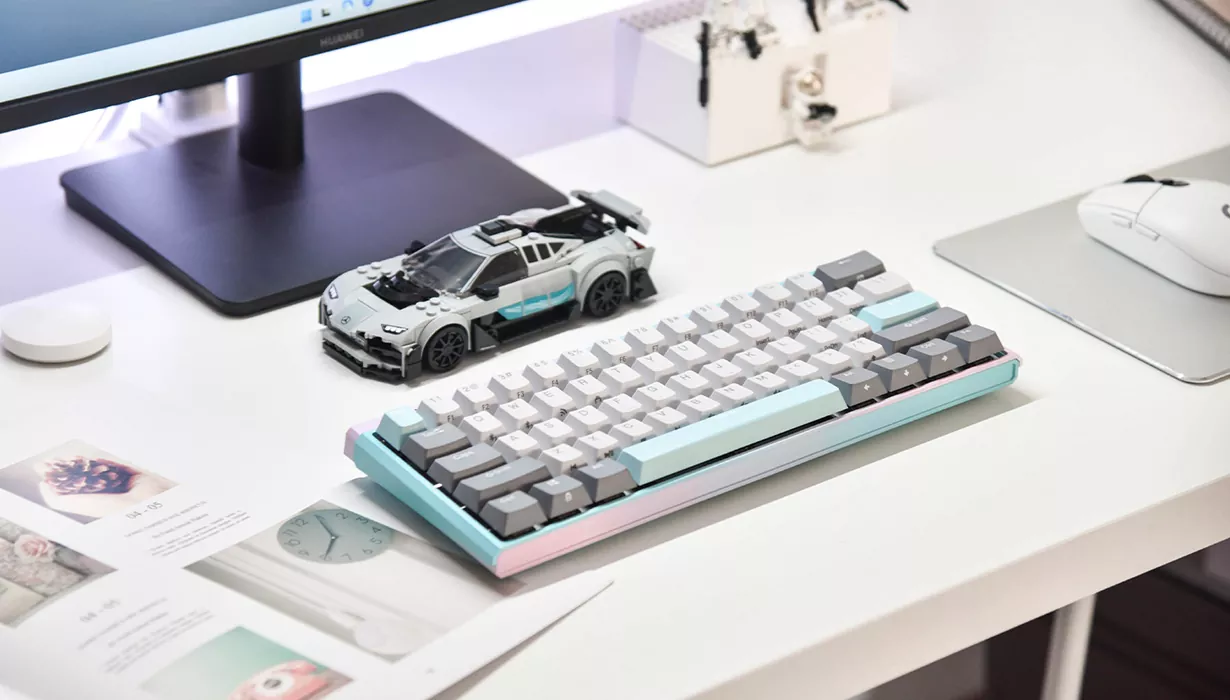
- For consumer-grade mechanical keyboards, select factories with deep expertise in this niche.HengCang Technology focuses explicitly on gaming keyboards, POS keyboards, and custom keyboards. Its long-term experience in these three segments is a key reliability guarantee. Its claim of being "the first factory in the industry to achieve batch tactile tuning" directly reflects its technical depth in mechanical keyboard manufacturing.
IV. Clarify Your Needs and Validate Samples
Finally, selection is a two-way process—clarifying your needs and verifying samples are critical steps.
Define Your Core Requirements
Before contacting factories, clarify your key needs:
- Product type (gaming, office, POS, or custom keyboard)?
- Budget range?
- Initial order quantity and estimated annual sales volume?
- Required delivery lead times? Clear requirements help you quickly match with suitable factories and enable manufacturers to provide accurate proposals and quotes.
Insist on Prototyping and Testing
No matter how smooth preliminary communications are, samples are the ultimate proof of a factory’s claims. Insist on prototyping and conduct comprehensive, rigorous tests, including:
- Functional testing (key responsiveness, connectivity, etc.)
- Tactile consistency testing
- Durability testing
- Appearance and craftsmanship inspection. Only when samples fully meet your requirements should you proceed to mass production. This process also lets you assess the factory’s response speed, problem-solving ability, and attention to detail.
Conclusion
Choosing a reliable keyboard factory is a systematic project that requires due diligence across multiple dimensions—hardware facilities, technical capabilities, quality systems, supply chains, and industry reputation. Manufacturers like HengCang-Technology—with long-term specialization, core technologies (e.g., batch tactile tuning), end-to-end ODM services, and a focus on quality—typically excel in these evaluation criteria. They are potential high-quality partners for brands seeking long-term, stable, and high-quality cooperation. Ultimately, your decision should be based on on-site inspections, sample validation, and in-depth business negotiations.