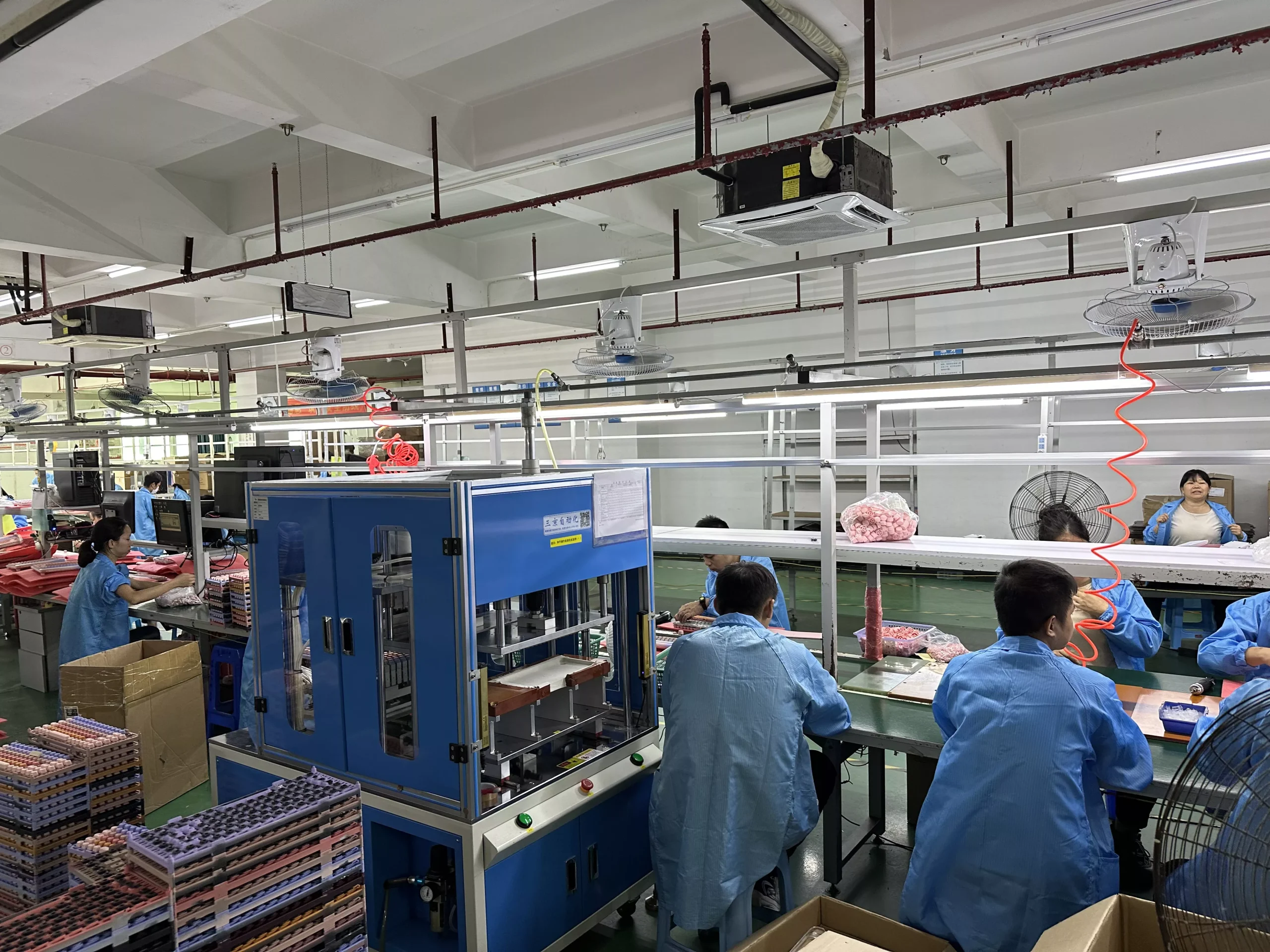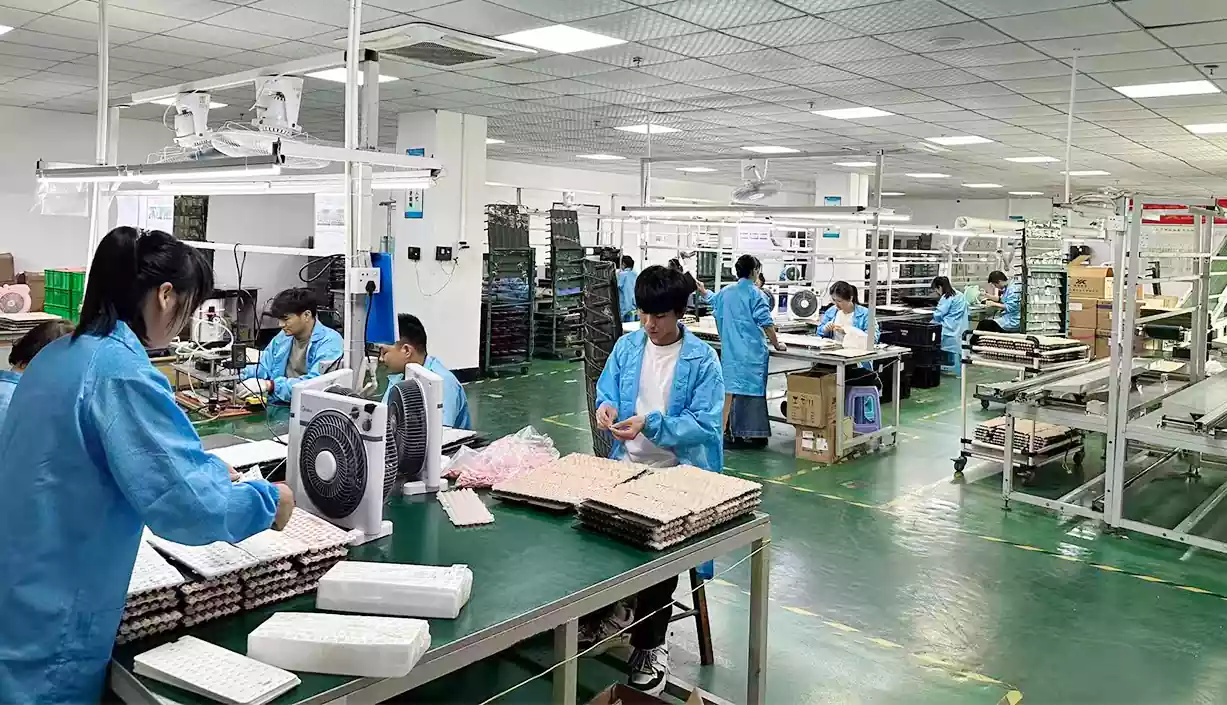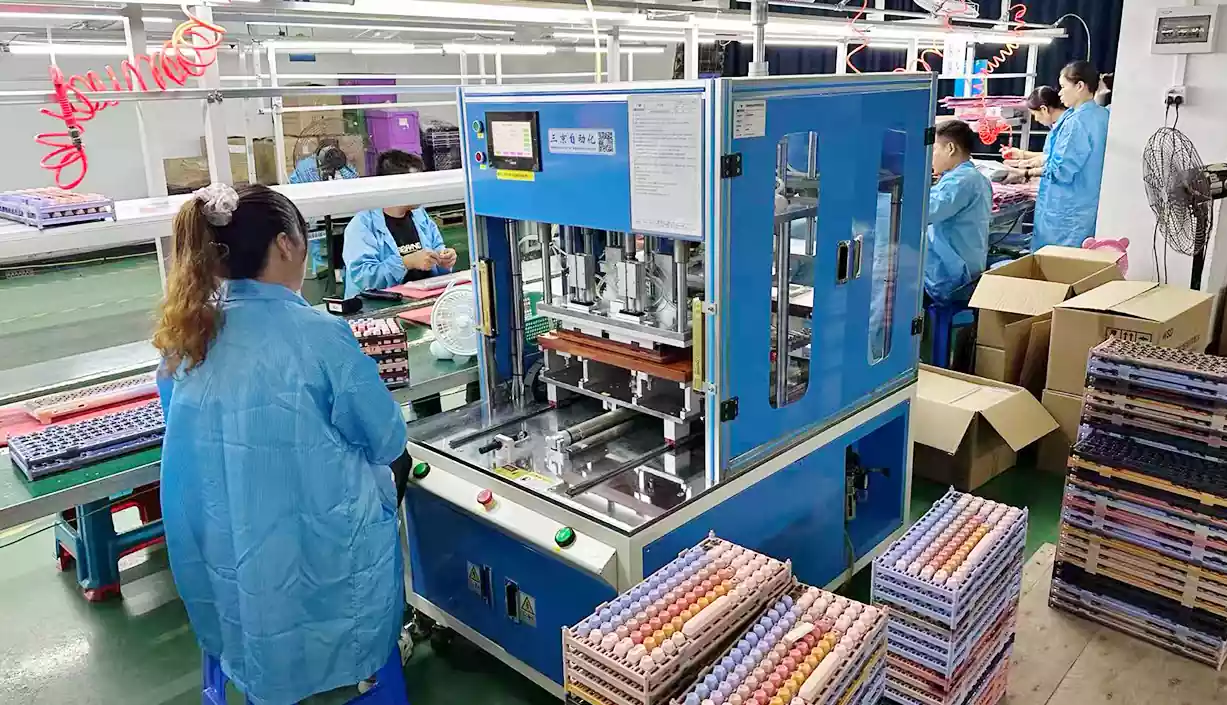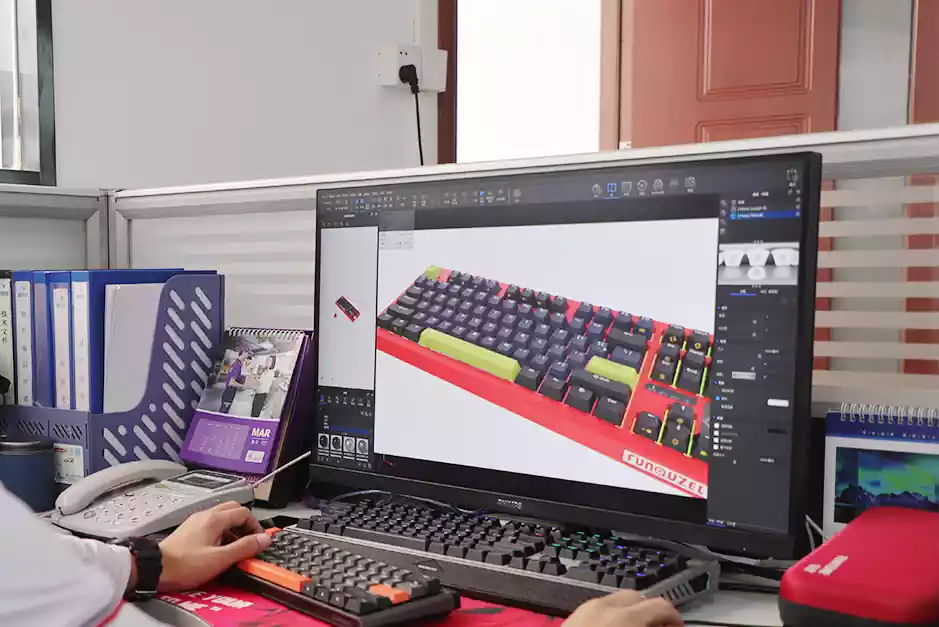
As a core component of the computer peripheral industry, keyboard OEM embodies the typical characteristics of the global division of labor. This paper will analyze the current situation and underlying logic of the keyboard OEM industry from four aspects: model characteristics, technical requirements, market structure, and future trends.
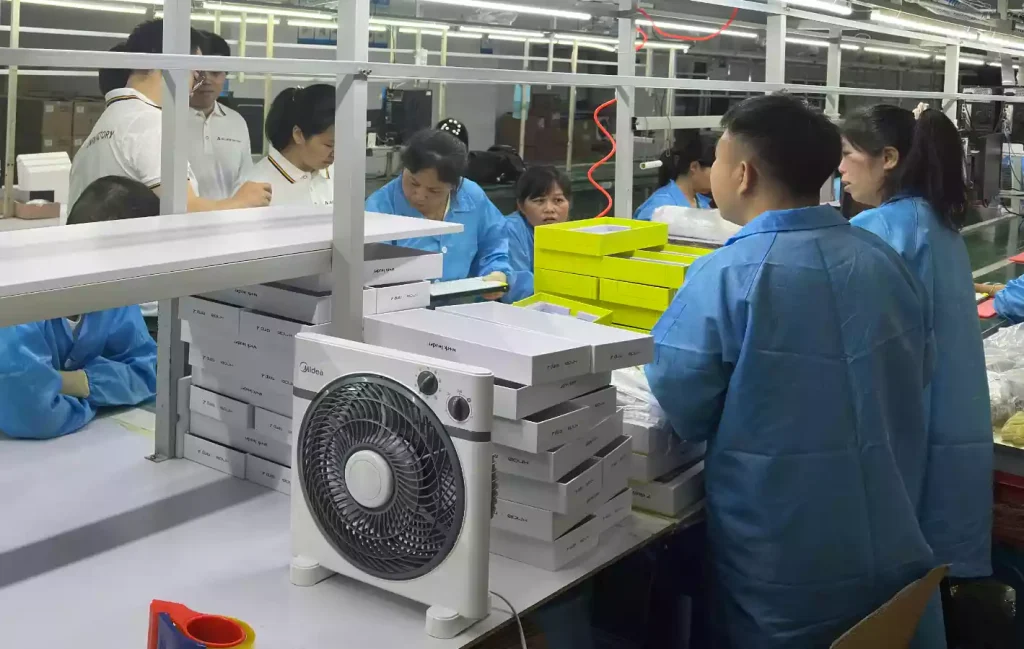
I. OEM vs. ODM: Essential Differences in Contract Manufacturing Models
OEM: Technology Entrustment by Brands
- Definition: Brands hold core technologies and designs, entrusting manufacturers to produce products to specified standards for final rebranding and sales. For example, Microsoft's keyboards are manufactured by contract factories but still bear the Microsoft brand.
- Characteristics: Brands control R&D and distribution channels, while manufacturers only handle production processes—commonly known as "rebranding."
- Typical Case: Brands like FILCO entrust factories to produce keyboards but strictly control core standards such as switch feel and keycap craftsmanship.
ODM: Design-Led by Manufacturers
- Definition: Manufacturers provide end-to-end services from design to production, with brands directly purchasing finished products for sale.
- Advantages: Shortens brands' product launch cycles and reduces R&D costs. For instance, Huaqin Technology accounts for 27.9% of the global smartphone contract manufacturing market through the ODM model.
- Application in the Keyboard Industry: Some niche brands directly adopt public mold solutions from ODM manufacturers, customizing only in terms of appearance or software.
Core Factors for Model Selection
- Brand Strength: Enterprises with core technologies (e.g., CHERRY) prefer OEM to maintain control; new brands rely on ODM to quickly enter the market.
- Cost and Efficiency: ODM is suitable for brands pursuing supply chain efficiency, while OEM is more conducive to quality consistency.
II. Technical Requirements and Manufacturing Processes of Keyboard OEM
Core Technical Thresholds
- Structural Design: OEM keyboards are often equipped with a steel plate structure to enhance bottoming rebound force, differing from the original factory’s plate-less design.
- Switch Compatibility: Must be compatible with mainstream switches such as CHERRY and Gateron, while solving issues like hot-swappability and dustproofing.
- Keycap Craftsmanship: OEM keycap height is generally higher than that of original factory keycaps, with PBT or ABS as the main materials. Technologies such as double-shot molding and silk screen printing must be mastered.
Quality Control System
Environmental Adaptability: Industrial keyboards must pass waterproof, dustproof, and corrosion-resistant tests. For example, products from Jiante Electronics need to meet the IP67 standard.
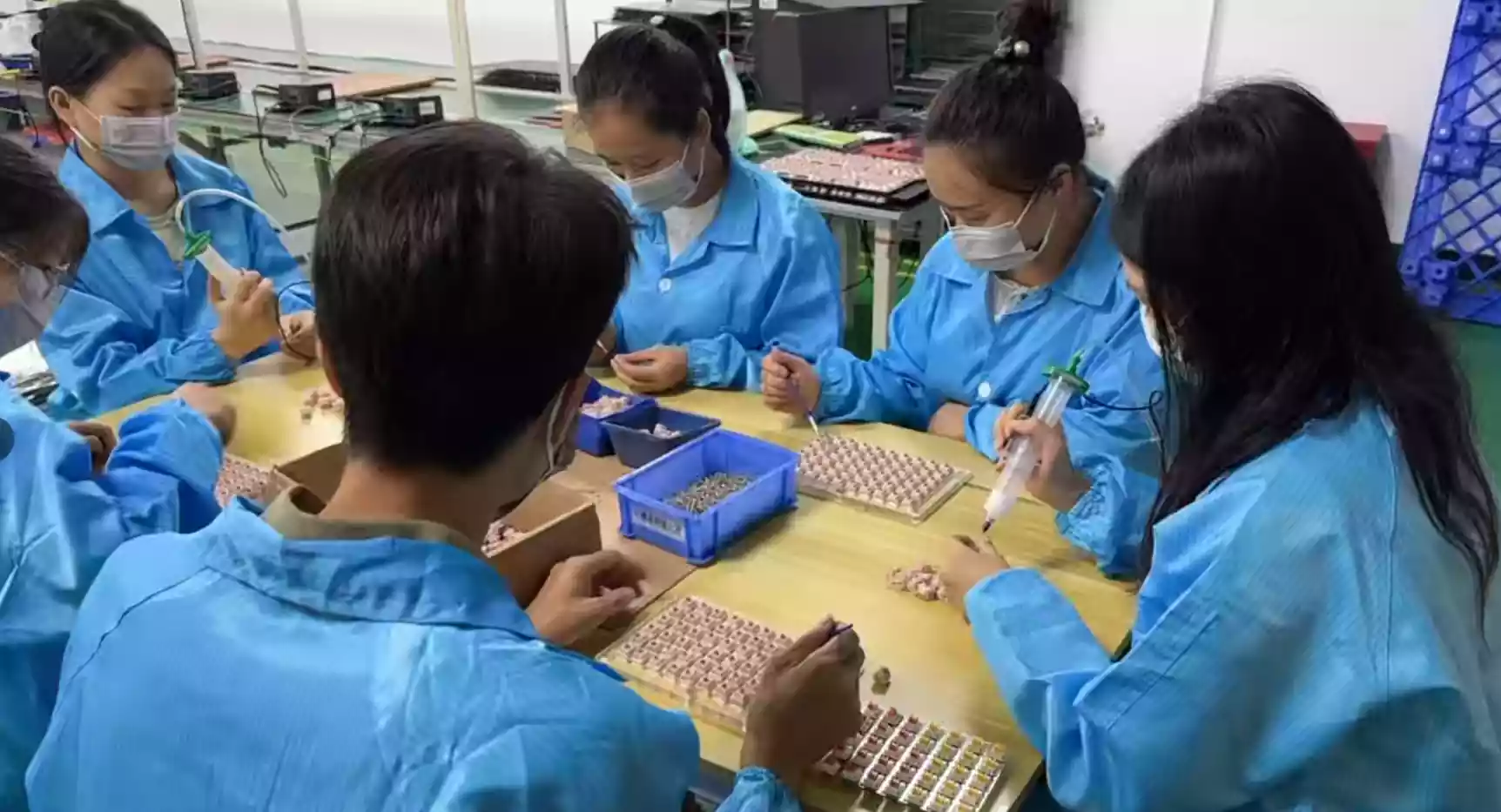
- Consistency Requirements: Brands require contract factories to unify testing standards to ensure stable feel and service life of each batch of products.
Customization Capabilities
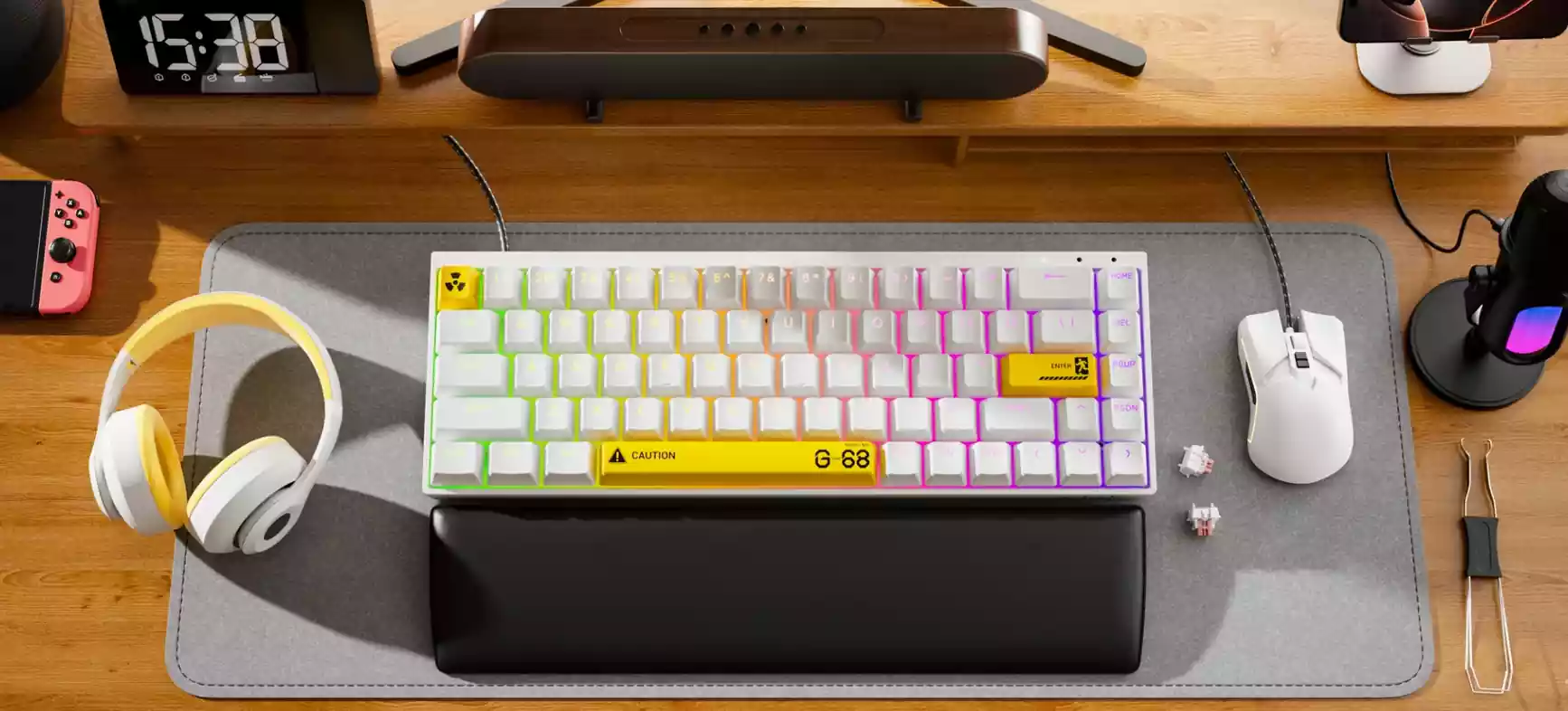
- Appearance Design: Supports brands in customizing color schemes, Logo engraving, and special key layouts.
- Function Development: Features like macro programming, RGB lighting synchronization, and multi-device switching require manufacturers to have software and hardware integration capabilities.
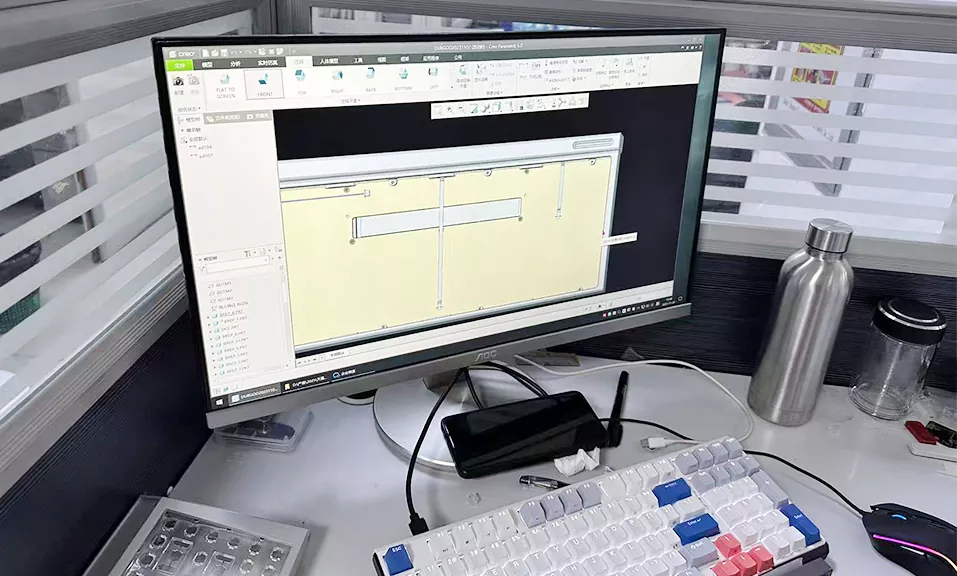
III. Analysis of Competitive Dimensions
| Competitive Factors | Response Strategies for OEM Manufacturers |
|---|---|
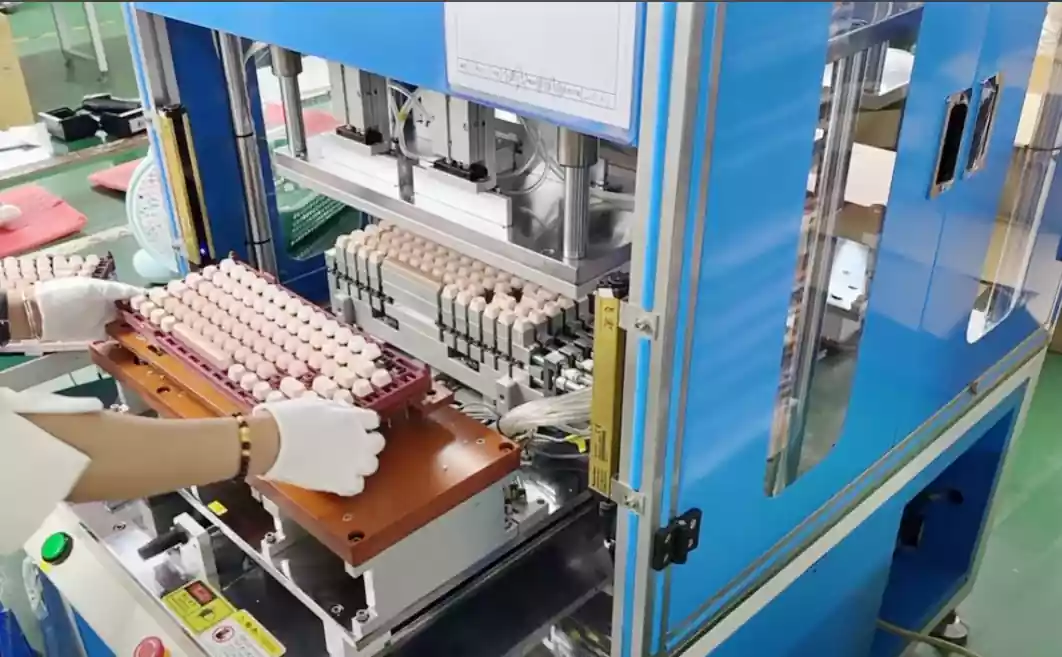
| Cost Control | Reduce unit prices through automated production lines and large-scale procurement |
| Technological Iteration | Develop innovative solutions such as hot-swappable switch sockets and Gasket structures |
| Delivery Speed | Establish flexible production lines to support small-batch and rapid delivery |
IV. Industrial Chain Trends and Future Challenges
Technical Upgrade Directions
- Material Innovation: The application of lightweight materials such as carbon fiber and aluminum alloy is increasing, e.g., the patented aluminum alloy casing of Hengcang Electronic Technology.
- Intelligent Demand: The integration of keyboards with the Internet of Things (IoT) spurs demand for low-power wireless technology and intelligent interaction functions.
Supply Chain Risks and Responses
- Geopolitics: Trade barriers have prompted contract manufacturers to set up branch factories in Southeast Asia to diversify risks.
- Cost Pressure: Rising labor costs have forced enterprises to accelerate "machine replacement," such as introducing AI quality inspection systems.
Sustainable Development Requirements
- Environmental regulations (such as the EU's RoHS) require contract manufacturers to adopt recyclable materials and reduce carbon emissions during production.
V. How to Choose a Keyboard OEM Partner?
Brands need to evaluate contract manufacturers from four dimensions:
- Technical Matching Degree: Confirm whether the manufacturer can meet requirements such as specific switch feel and lighting effects, and prioritize enterprises with patented technologies.
- Quality Certifications: Check certificates including ISO 9001 and IP rating; industrial keyboards also need to comply with military standards such as MIL-STD-810G.
- Production Capacity Flexibility: Evaluate monthly output, minimum order quantity (MOQ) and sample making cycle to avoid mass production bottlenecks.
- Cooperation Model: OEM is suitable for brands with strong control needs, while ODM is more suitable for new entrants with limited resources.
Conclusion
The keyboard OEM industry is both a microcosm of the global manufacturing division of labor and a driving force behind technological iteration. From CHERRY’s adherence to original manufacturing, FILCO’s premium OEM product strategy, to Huaqin Technology’s large-scale ODM advantages, each model has its own space for survival. In the future, with the rise of personalized consumption, flexible manufacturing and technological innovation will become the key for contract manufacturers to break through. Only by accurately matching OEM resources can brands build sustainable competitiveness in the competitive market.