With the booming of the esports industry and the intelligent upgrade of office scenarios, keyboards, as core peripherals for human-computer interaction, have seen a continuous rise in market demand. Numerous brands and entrepreneurs have spotted this business opportunity and successively planned to enter the keyboard market, yet most enterprises lack core production capabilities. In this case, cooperating with professional keyboard OEM or ODM manufacturers has become a key path for efficient implementation. However, the keyboard OEM and ODM manufacturers in the current market are a mixed bag, ranging from small workshops with dozens of employees to large-scale factories with over ten thousand staff, with stark disparities in their product quality, delivery capacity, and R&D strength. How to accurately find a partner that meets one's own needs among numerous options and avoid falling into pitfalls? This article will provide a feasible selection plan from the aspects of core demand breakdown, key evaluation dimensions, and pitfalls avoidance guidelines.
The essential differences between keyboard OEM and ODM
Prior to formally expounding on the selection methods, we first need to clarify two core concepts – keyboard OEM and keyboard ODM, which serve as the foundation for subsequent selection. Many people tend to confuse the two, but in fact, there are essential differences between them in terms of cooperation models and the division of rights and responsibilities. Keyboard OEM, or Original Equipment Manufacturing, simply means that the brand side provides product design schemes and technical parameters, and the manufacturer is only responsible for production and processing in accordance with the requirements; the products will be launched after being affixed with the brand side's logo. Keyboard ODM, or Original Design Manufacturing, means that the manufacturer independently completes the R&D, design, and production of products. The brand side only needs to put forward core requirements (such as market positioning, price range, and functional highlights), and can even directly adopt the manufacturer's existing product schemes, with only minor adjustments to the logo and appearance details needed before the products go on the market. The core difference between the two lies in the ownership of R&D responsibilities: under the OEM model, the brand side holds the core design rights, which is suitable for enterprises with independent R&D capabilities but insufficient production capacity; the ODM model focuses more on the manufacturer's R&D strength, and is suitable for small and medium-sized brands or start-ups that lack R&D teams and hope to launch products quickly. Clarifying one's own needs is the first step in selecting keyboard OEM/ODM manufacturers. Only by determining the required cooperation model first can the selection scope be narrowed down.
Four ways to screen high-quality keyboard OEM/ODM manufacturers
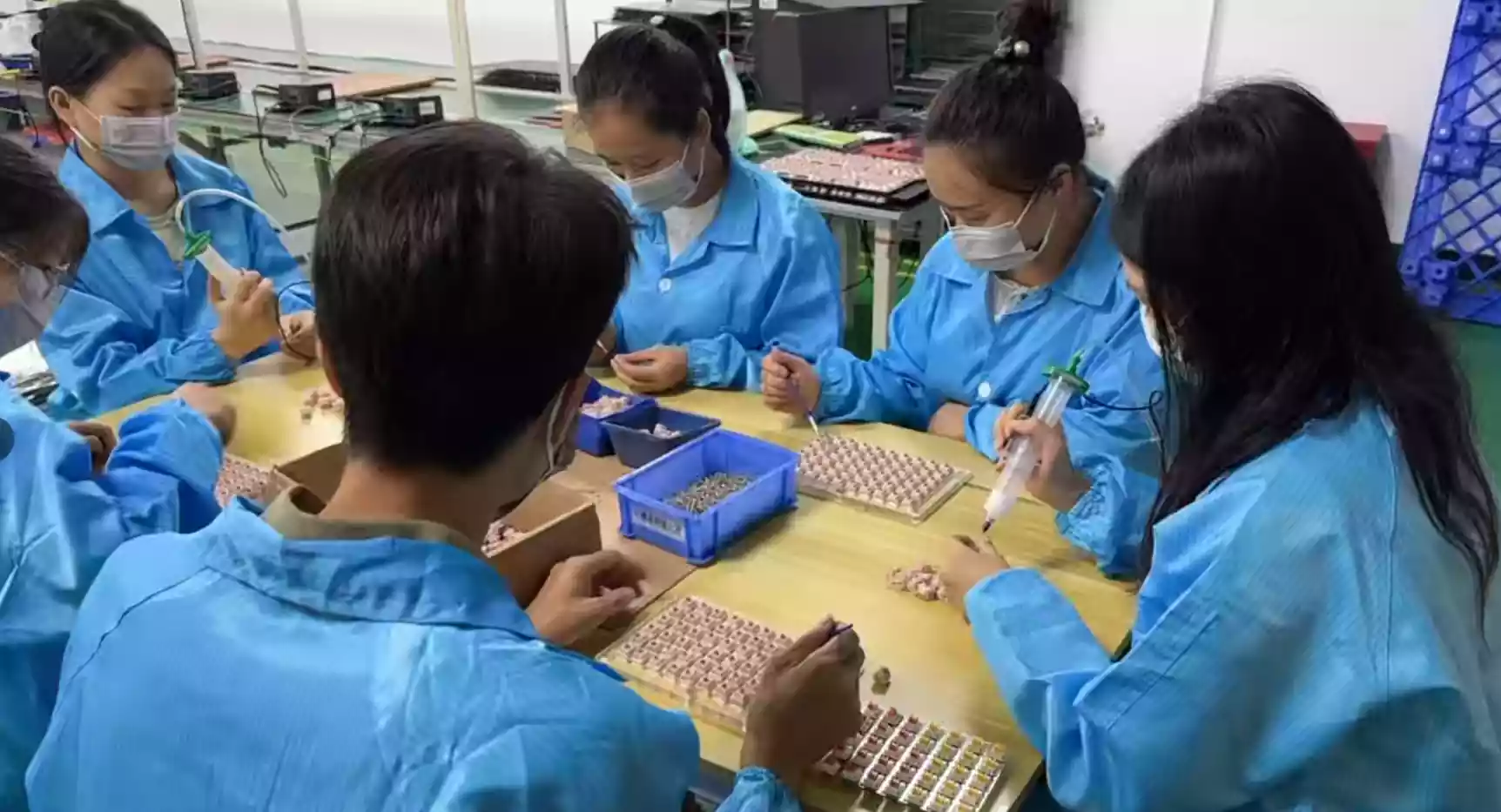
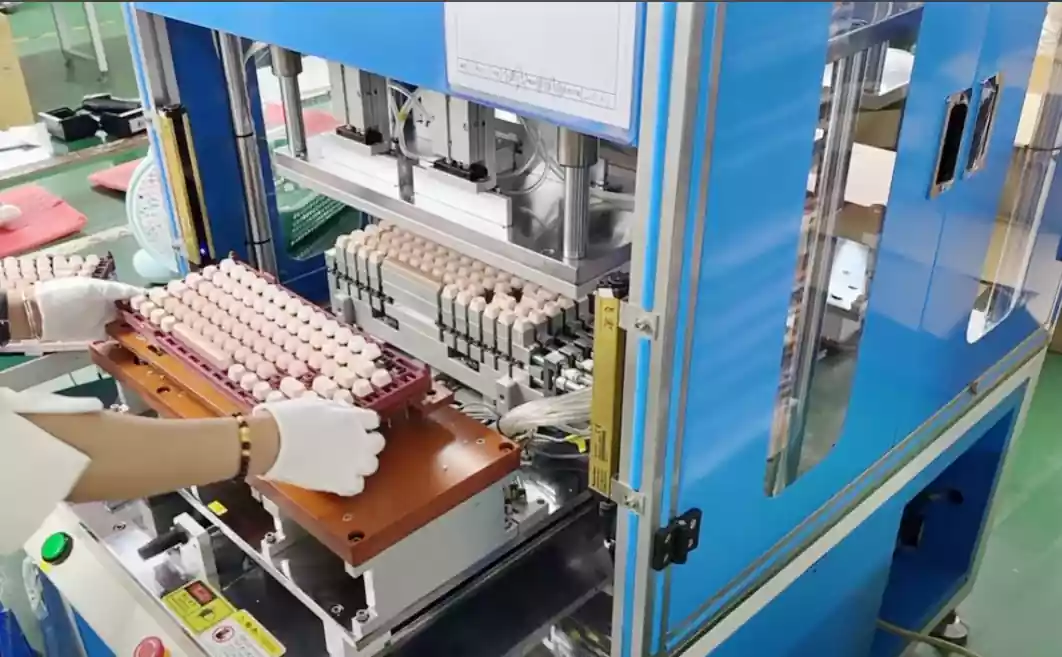
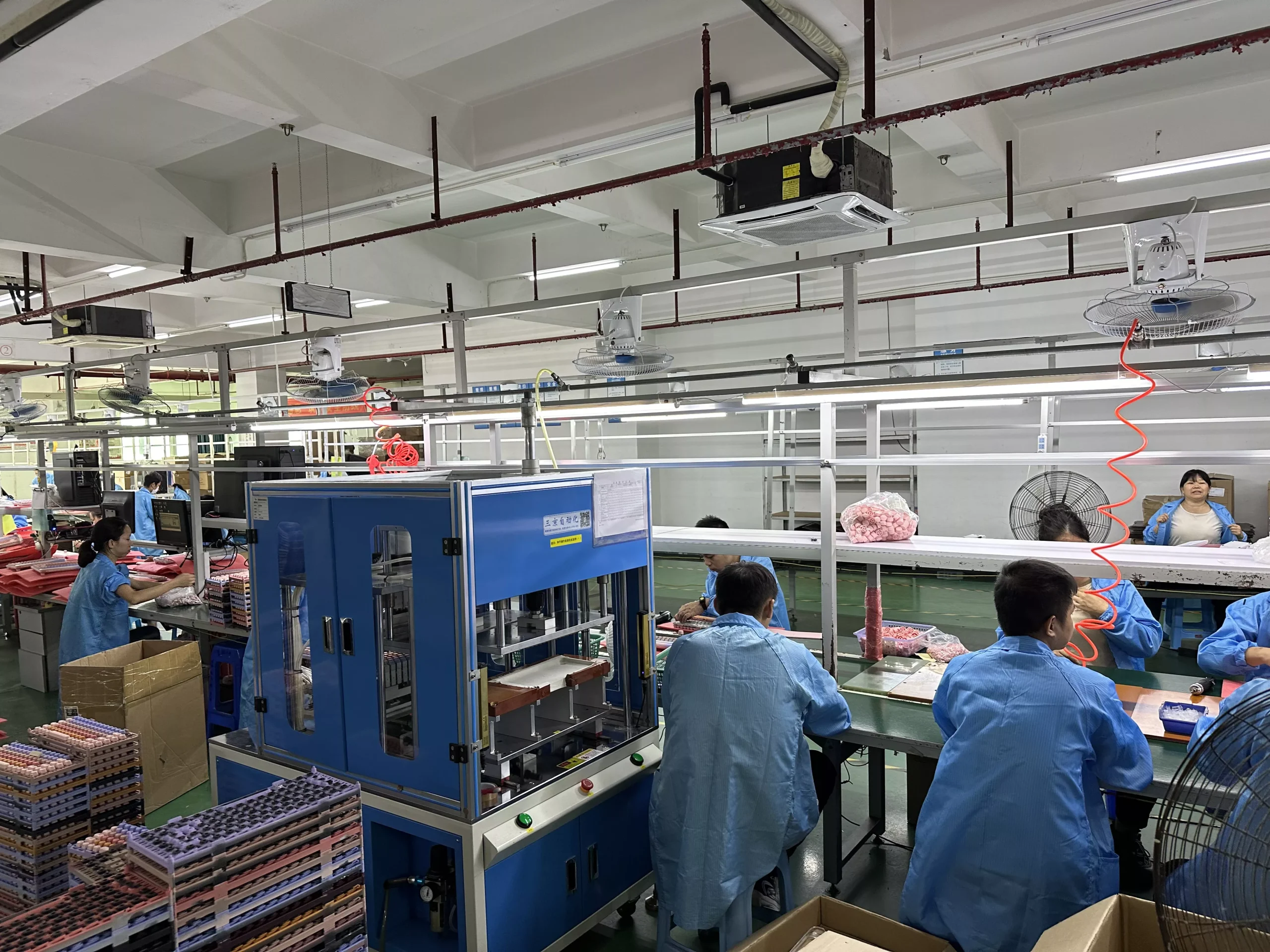
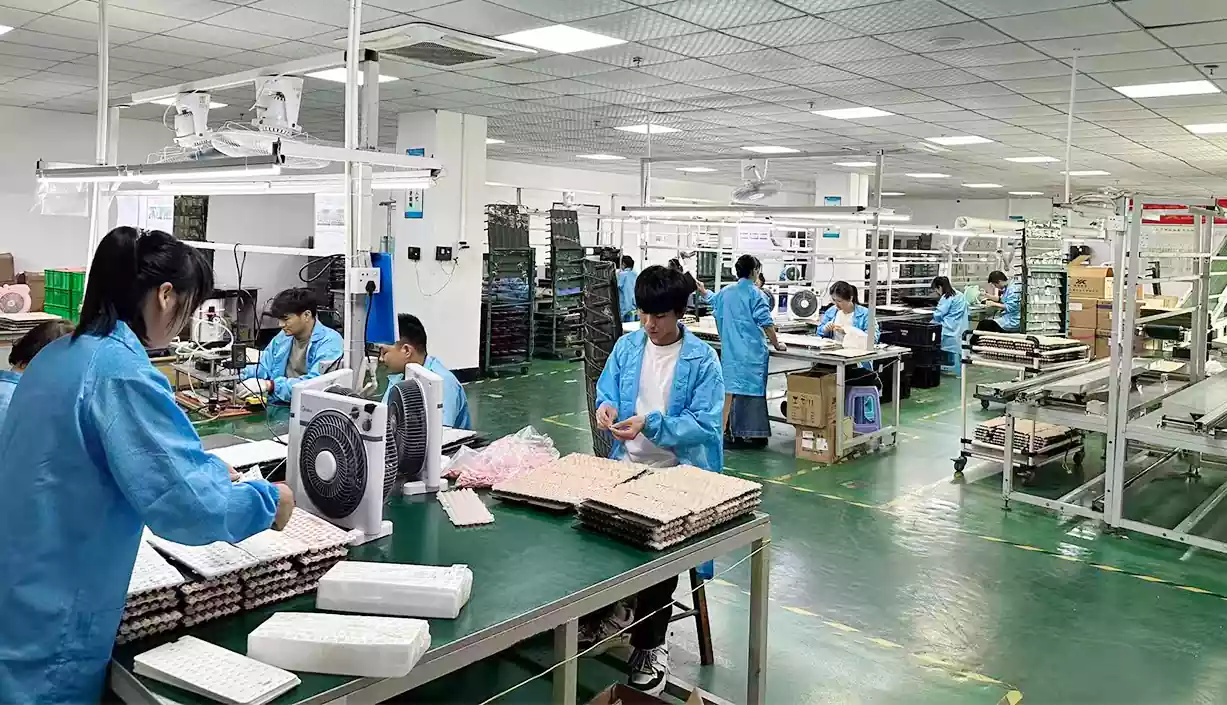
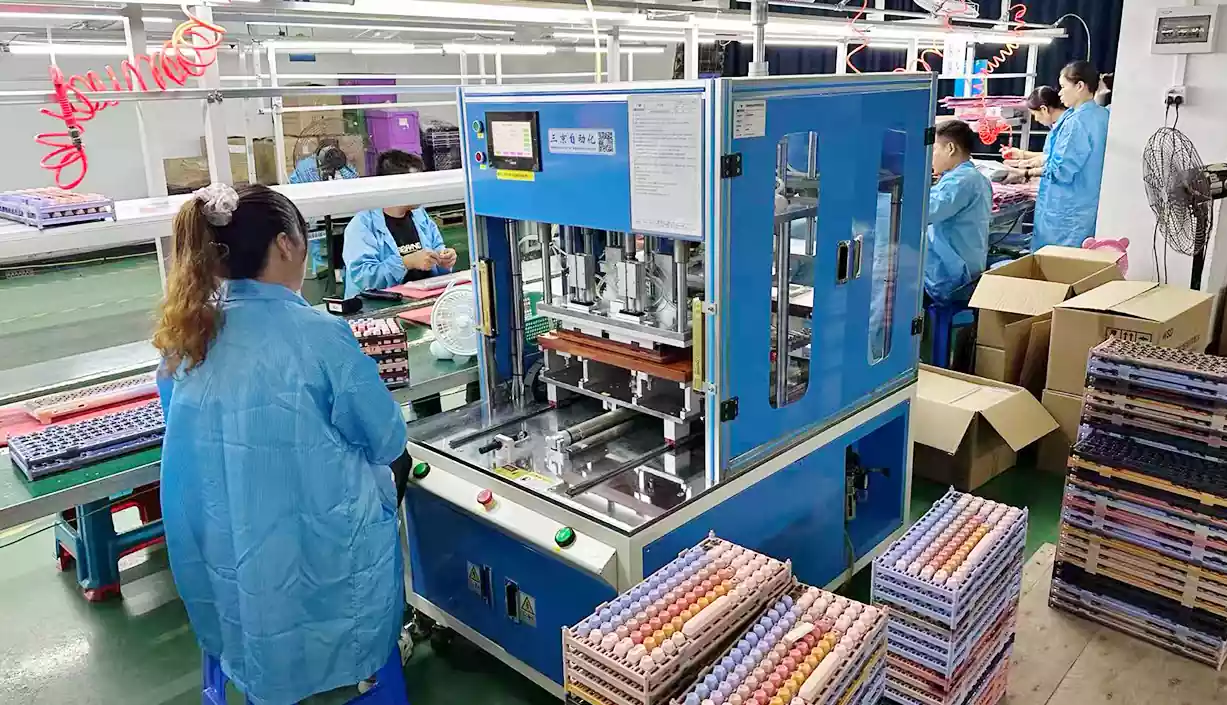
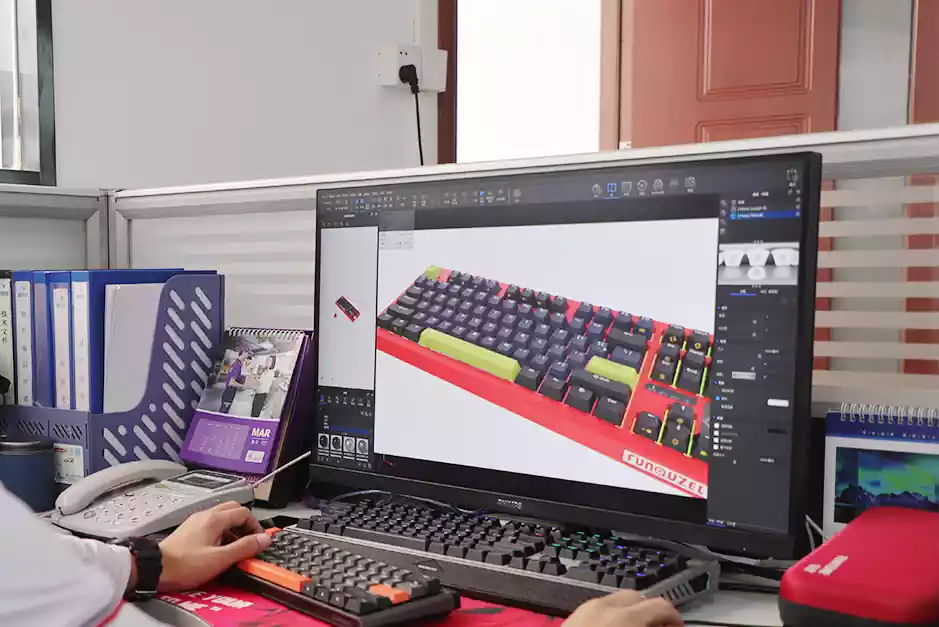
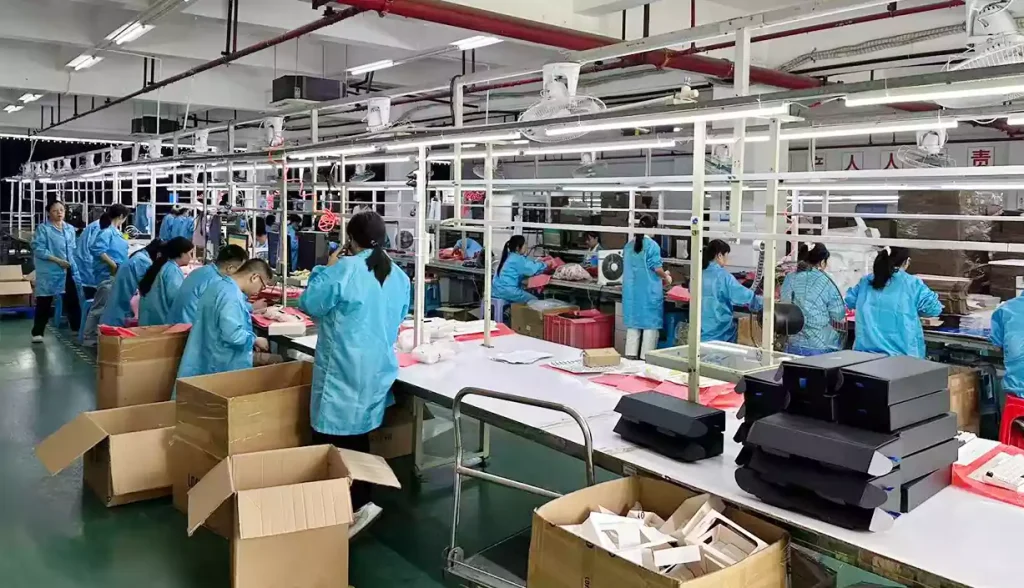
After clarifying the cooperation model, the next step is to evaluate the manufacturers' comprehensive strength from multiple core dimensions, which is a key step in the selection process. The first core dimension is production capacity and quality control system, which directly determines the product quality stability and delivery capacity of manufacturers. For keyboard OEM/ODM manufacturers, production capacity is reflected not only in production scale, but also in the advanced nature of production equipment and the standardization level of production processes. It is recommended to prioritize manufacturers with modern production workshops equipped with automated production lines, such as SMT chip mounter equipment and automated assembly lines, as automated production can effectively reduce human errors and improve product consistency. At the same time, a sound quality control system is the guarantee of product quality. It is necessary to focus on whether the manufacturer has established full-process quality control standards, and whether there are corresponding inspection procedures and standards for each link, from raw material procurement, component processing, and semi-finished product assembly to finished product delivery. For example, whether strict warehousing inspections are carried out on core keyboard components such as PCB boards, switches, keycaps and chips during the raw material procurement stage; whether there are IPQC (In-Process Quality Control) inspections during the production process; and whether strict functional tests such as key life test, waterproof test and compatibility test, as well as appearance inspection and aging test, are conducted before the finished products leave the factory. In addition, the manufacturer's production capacity scale needs to match one's own order demand, so as to avoid problems such as delivery delays caused by insufficient production capacity or weak bargaining power in cooperation due to excessive production capacity of the manufacturer. You may request the manufacturer to provide on-site inspection videos of production workshops, production capacity certificates, such as delivery records of past orders, and relevant certifications of the quality control system, such as ISO9001 quality management system certification. An on-site inspection can be conducted when necessary to directly understand its production capacity.
The second core dimension is R&D capability, which is particularly important for the selection of keyboard ODM manufacturers and equally crucial for keyboard OEM manufacturers. For the keyboard ODM cooperation model, the manufacturer's R&D strength directly determines the core competitiveness of products. It is necessary to check whether the manufacturer has a professional R&D team including electronic engineers, structural engineers, and industrial designers, and whether it has the capability of independent research and development of core keyboard technologies such as switch technology, lighting control technology, wireless connection technology (Bluetooth, 2.4G), and battery life optimization technology. You can learn about the manufacturer's product design level, functional innovation,n, and market feedback,k, such as whether it has best-selling products and what customer reviews are like,e, by checking its past ODM product cases. At the same time, attention should be paid to the manufacturer's R&D response speed, including whether it can quickly adjust solutions according to the brand's needs or provide timely technical support during product iteration. For the keyboard OEM cooperation model, although the design scheme is provided by the brand, the manufacturer's R&D capability is reflected in its ability to implement the design scheme, to accurately understand the design intent, to solve technical problems arising in the production process, and even to put forward optimization suggestions for the design scheme such as improving production feasibility and reducing costs. In addition, R&D capability is also reflected in patent layout. Choosing a keyboard OEM/ODM manufacturer with a number of relevant patents can effectively reduce the intellectual property risks after the product is launched.

The third core dimension is cost control capability and the rationality of pricing. Cost is a key factor affecting product profit margins. When selecting keyboard OEM/ODM manufacturers, we should not simply pursue low prices, but instead pursue the cost performance ratio, that is, a reasonable price for the same quality. A manufacturer's cost control capability is closely related to its supply chain integration capability. High-quality keyboard OEM/ODM manufacturers usually have stable resources of core component suppliers, enabling them to purchase raw materials at more favorable prices, and improve production efficiency and reduce unit production costs through standardized production. During cooperation negotiations, it is necessary to ask manufacturers to provide detailed quotation sheets and clarify the composition of various costs, such as raw material costs, production and processing fees, packaging fees, and logistics fees, so as to avoid hidden charges in the follow-up. At the same time, attention should be paid to the matching degree between price and quality. Some workshop-style manufacturers may undertake orders at extremely low prices, but they often cut costs by lowering raw material standards and simplifying quality control processes, which ultimately leads to frequent product quality problems and instead increases subsequent after-sales costs and brand reputation losses. It is recommended to compare the quotations and product samples of 3 to 5 different manufacturers, verify the quality through sample tests such as key feel, stability, and appearance craftsmanship, and then comprehensively evaluate the cost-performance ratio in combination with the quotations.
The fourth core dimension is after-sales service and cooperation flexibility. As electronic products, keyboards will inevitably encounter after-sales problems, and high-quality after-sales service can save brands a lot of trouble. When selecting keyboard OEM/ODM manufacturers, it is necessary to clarify their after-sales service policies, such as product warranty period, after-sales problem handling process, and return and exchange policies. For example, for quality problems arising in mass production, whether the manufacturer can timely provide replenishment, maintenance, or return and exchange services; for product defects reported by end users, whether it can cooperate with the brand to carry out technical improvements. In addition, cooperation flexibility is also important, especially for start-up brands or small and medium-sized brands with relatively small order volumes or the need to adjust product parameters according to market feedback. In this case, it is necessary to select manufacturers that are friendly to small orders and can flexibly adjust production plans, so as to avoid being ignored due to small order volumes or affecting market layout because product adjustment needs cannot be met. At the same time, it is necessary to assess the manufacturer's communication efficiency, whether it has a dedicated contact team to follow up on orders, and whether it can timely respond to the brand's inquiries and needs. Smooth communication is a guarantee for the smooth progress of cooperation.
Qualifications, Cases, and Supply Chain Stability
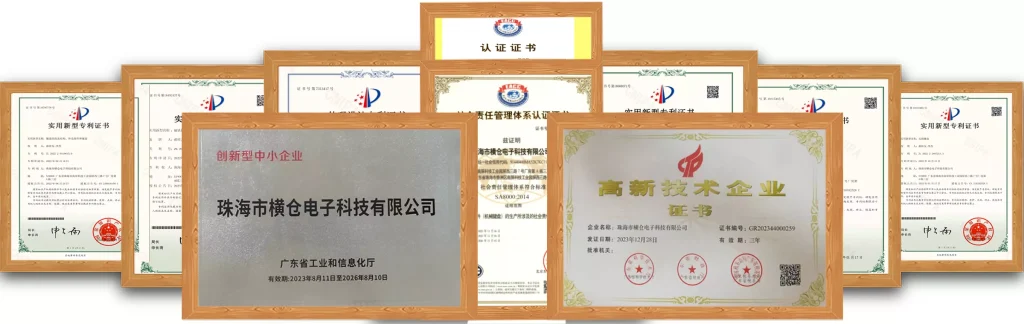
In addition to the core dimensions mentioned above, there are several detailed points that need attention, and these details can often reflect a manufacturer's comprehensive professionalism. First is qualification certification. Besides the ISO9001 quality management system certification mentioned earlier, keyboard products also need to comply with relevant international and domestic standards, such as CE certification (EU), FCC certification (US), RoHS certification (environmental requirements), and others. Choosing a keyboard OEM/ODM manufacturer with complete qualification certifications can ensure that products meet the access requirements of the target market and avoid the situation where products cannot be launched due to qualification issues. Second is past cooperation cases and customer reviews. You can learn about a manufacturer's past cooperative clients through channels such as its official website, industry exhibitions,s and third-party platforms, especially whether it has cooperation cases with brands that share a similar market positioning with your own. At the same time, take the initiative to consult the reviews of its existing clients to understand the advantages and disadvantages in the cooperation process, which can provide more authentic references for your selection. Last is supply chain stability. Against the backdrop of significant fluctuations in the global supply chain at present, a manufacturer's supply chain stability directly affects the delivery cycle. It is necessary to assess whether the manufacturer has diversified supplier resources and whether it can respond to unexpected situations such as raw material shortages, so as to ensure that orders can be delivered on schedule.
Common Misconceptions in Selecting Keyboard OEM/ODM Manufacturers
In the actual selection process, many brands are prone to falling into certain misconceptions and need to avoid such pitfalls in particular. Misconception 1: Focusing solely on price and ignoring quality. Low prices often mean cost-cutting, which may ultimately lead to substandard product quality, not only undermining brand reputation but also increasing after-sales costs. Misconception 2: Blindly pursuing large manufacturers and disregarding one's own actual needs. Although large manufacturers boast strong production capacity, they may not attach importance to small orders and impose high cooperation thresholds, making them less flexible to adapt to specific demands than small and medium-sized manufacturers. Misconception 3: Confusing the OEM and ODM models, which results in a mismatch between their own demands and the cooperation model adopted. For instance, choosing the OEM model without having independent R&D capabilities will eventually cause project delays due to the failure to provide qualified design schemes. Misconception 4: Signing contracts merely based on manufacturers' verbal commitments, without conducting on-site inspections or sample tests. Sample testing is a key step to verify product quality, and on-site inspections enable a direct understanding of production capacity, which can prevent being misled by false publicity.
Select strategic partners from the perspective of long-term cooperation
In summary, the core logic for selecting keyboard OEM/ODM manufacturers is as follows: first clarify your own needs, including confirming the OEM or ODM model, target market, order volume and product positioning, then conduct screening around the four core dimensions of production capacity, R&D capability, cost control and after-sales service, pay attention to such detailed points as qualification certification, cooperation cases and supply chain stability at the same time, and steer clear of common misconceptions. It is recommended to carry out the selection step by step in accordance with the process of clarifying needs, narrowing down the scope, conducting comparative screening, performing sample testing, conducting on-site inspections, and signing contracts, so as to ensure the selection of a partner that meets your own needs.
Finally, it needs to be emphasized that keyboard OEM/ODM cooperation is a long-term process. Choosing a manufacturer is not just selecting a production supplier, but also a strategic partner. High-quality manufacturers can provide brands with multi-faceted value, including technical support, cost optimization, and market insights, helping brands stand out in the highly competitive keyboard market. Therefore, there is no need to pursue quick results in the selection process. Only by spending more time on research, comparison,n and verification can a solid foundation be laid for subsequent cooperation.
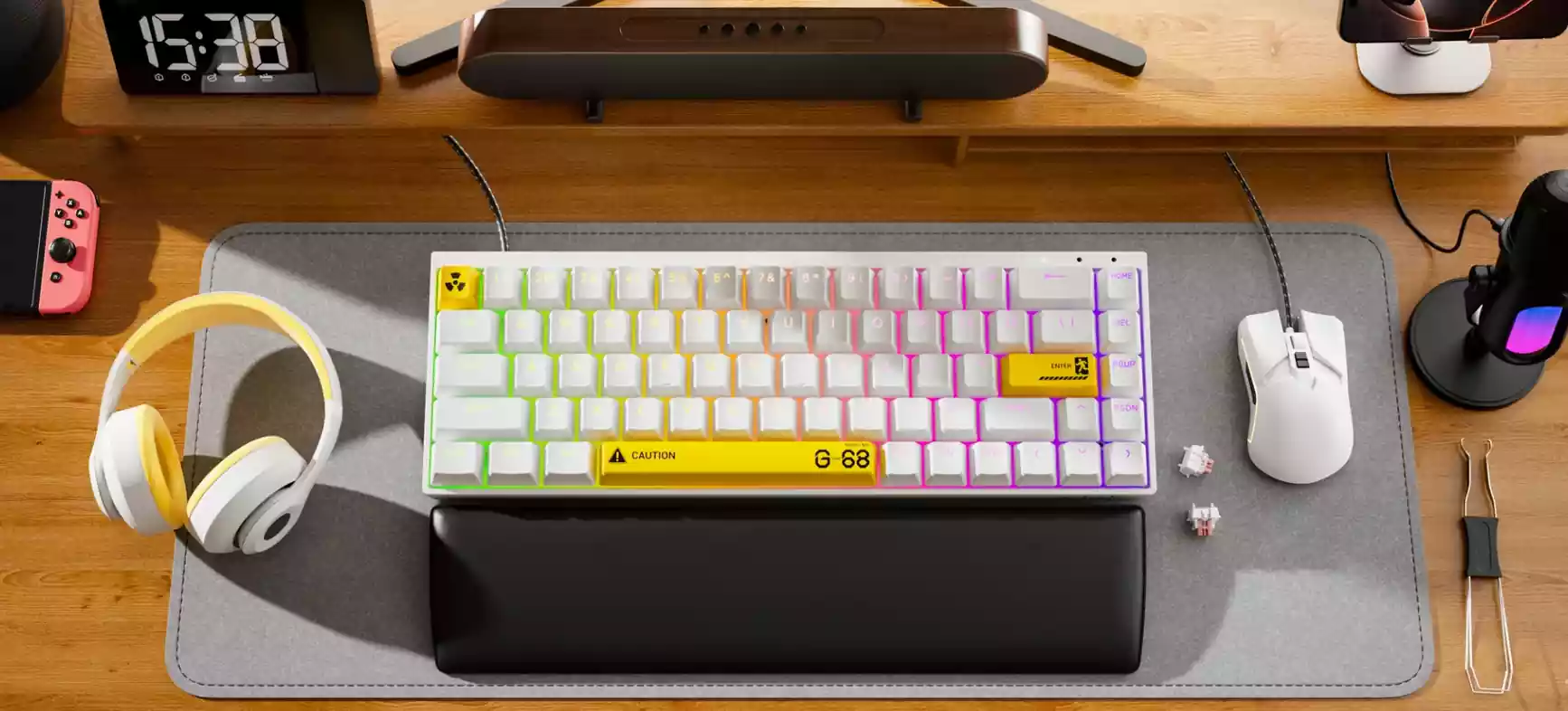
Currently, our core products—mechanical keyboards and commercial keyboards—maintain strong sales momentum in major overseas markets, including North America, Europe, and Southeast Asia. With this reliable market performance, we have become a designated manufacturer or core supplier for leading clients at home and abroad, such as China’s leading GRG Banking Group, Guangzhou Zhongqi Co., Ltd., Zhuhai Xuesi Technology Co., Ltd. (DURGOD), as well as international partners including WAYCOS (South Korea) and MSTONE (South Korea)—key partners providing mechanical keyboards for South Korea's consumer electronics market—and global gaming and office keyboard brands like Lofree, DIERYA, and Piping.