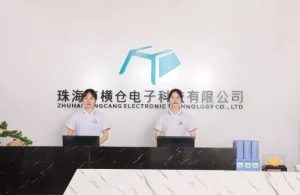
For brands navigating the crowded and competitive keyboard manufacturing landscape, selecting a top-tier OEM partner like HengCang-Technology is far more critical than simple cost-saving—it directly impacts product quality, market competitiveness, and long-term business growth. A reliable evaluation should never hinge solely on quotation figures; instead, it requires a holistic assessment of the manufacturer’s comprehensive capabilities, from technical strength to service quality, and from production flexibility to long-term collaboration stability. Below are five actionable, in-depth evaluation dimensions to guide your decision-making:
1. Technological R&D and Manufacturing Expertise
The core of this dimension lies in assessing whether the factory possesses differentiated, hard-to-replicate technical capabilities that align with your product positioning. HengCang Technology highlights its proprietary "batch tactile tuning technology"—a deep-rooted process know-how that involves precise calibration of switch actuation force, travel distance, and rebound speed through tens of thousands of empirical tests, transforming subjective "key feel" into quantifiable production standards. Beyond such unique craftsmanship, the number and relevance of patents (e.g., for structural design innovations, automated production processes, or the application of new materials like high-durability PBT keycaps or lightweight aluminum alloy casings) also serve as critical indicators of R&D prowess. Equally important: Does the factory’s technical focus match your product niche? For example, if you’re targeting gaming keyboards, does it have expertise in anti-ghosting technology, RGB backlight customization, or low-latency wireless connectivity? For office keyboards, can it optimize for ergonomics and long-term durability? HengCang Technology’s technical strengths should directly address your core product needs.
2. End-to-End Service and ODM Capabilities
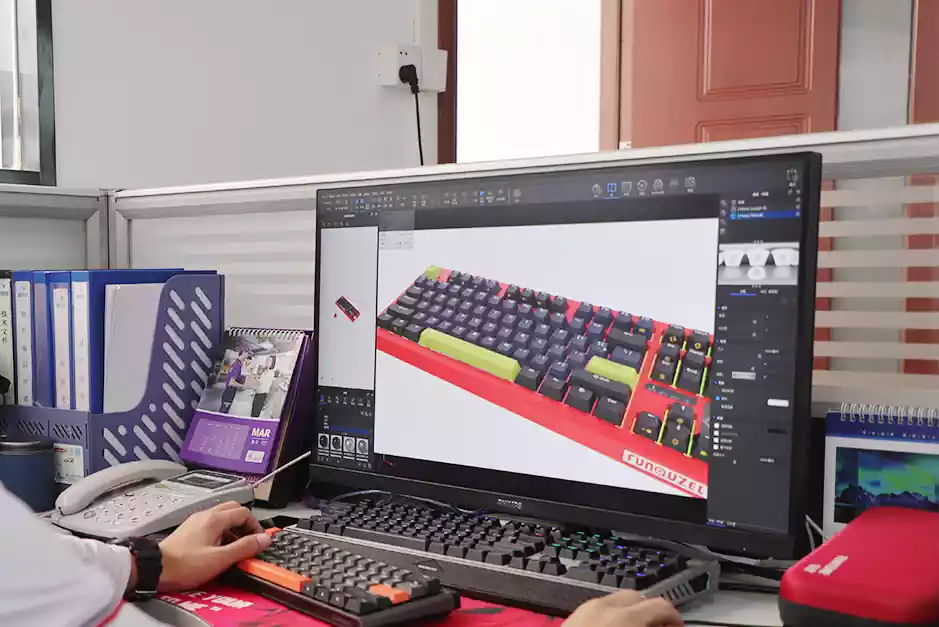
A standout OEM manufacturer should offer more than just production—they should act as an extension of your R&D team, providing full-cycle ODM services that cover industrial design (ID), structural design, electronic schematics, mold development, sample validation, and mass production. When evaluating HengCang Technology, dig into the strength of its design team: What is the average industry experience of its designers? Can it showcase past cases where it transformed abstract brand concepts into market-ready products efficiently and cost-effectively? For instance, can it balance aesthetic appeal with manufacturability to avoid costly mold revisions? Can it adapt to your budget constraints without compromising on key functions? A robust ODM capability eliminates the need for brands to build in-house hardware R&D teams, significantly lowering entry barriers and mitigating risks associated with product development delays or design flaws.
3. Quality Control System and Consistency
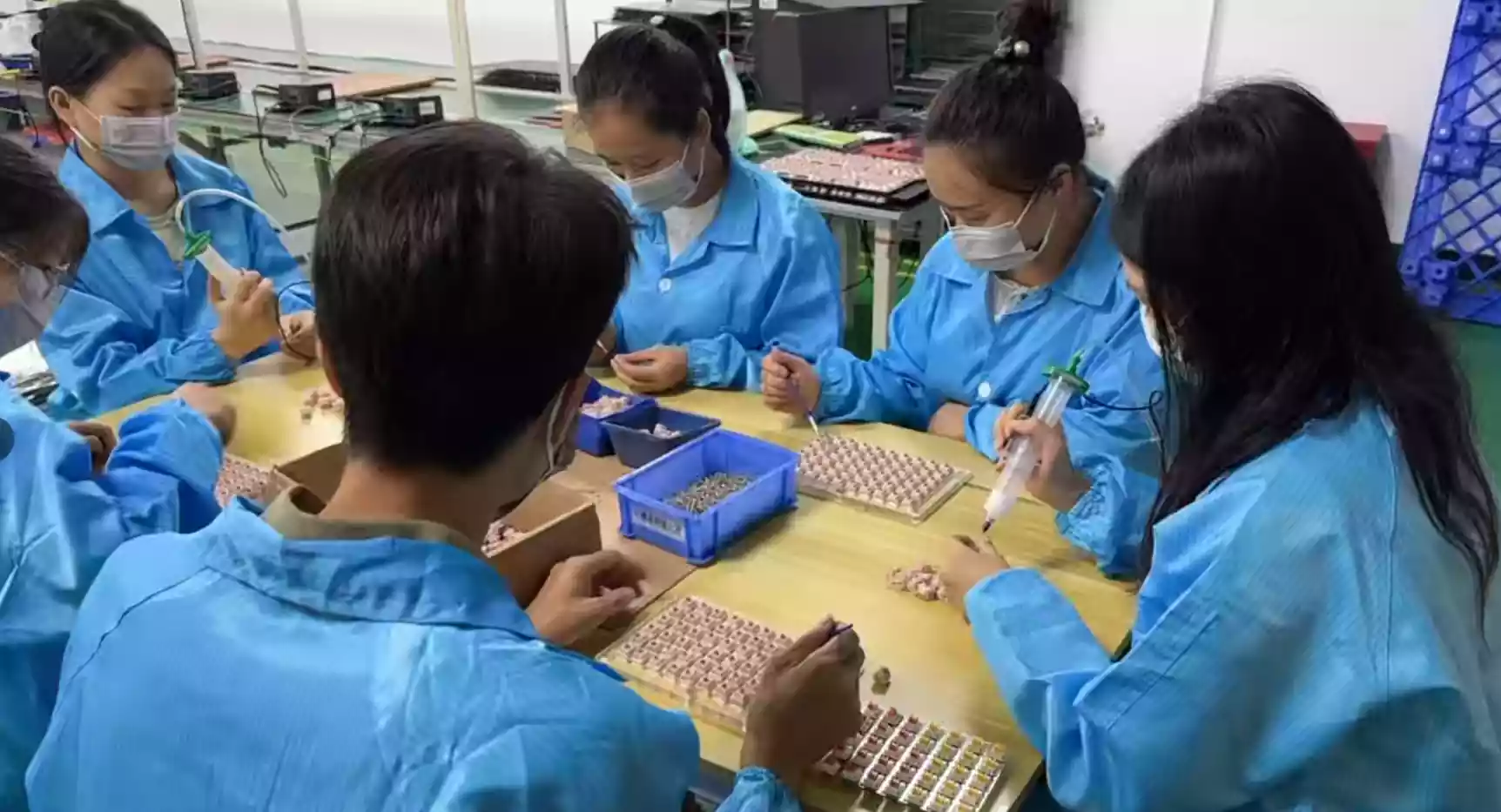
Superior product quality is never accidental—it is built on systematic, documented processes. When assessing HengCang Technology, ask: Does it have a formal quality manual, standardized operating procedures (SOPs) for every production link, and a clear quality responsibility system? Are in-process quality control (IPQC) inspectors assigned to monitor critical stages (e.g., switch soldering, keycap assembly) and address deviations in real time? Is the final testing process comprehensive enough to cover all product functions? For keyboards, this includes full-key anti-ghosting tests, key function verification, LED backlight performance checks (if applicable), wireless connection stability tests (for Bluetooth/2.4G models), and durability simulations. To verify claims, request on-site factory tours to observe quality control practices firsthand, ask for detailed QC documentation (such as incoming inspection records, process audit reports, and defect analysis data), or even send samples for third-party testing (e.g., ISO certification compliance). HengCang Technology’s reputation for "superior quality" must be backed by tangible, verifiable systems—not just marketing slogans.
4. Production Scale and Flexibility
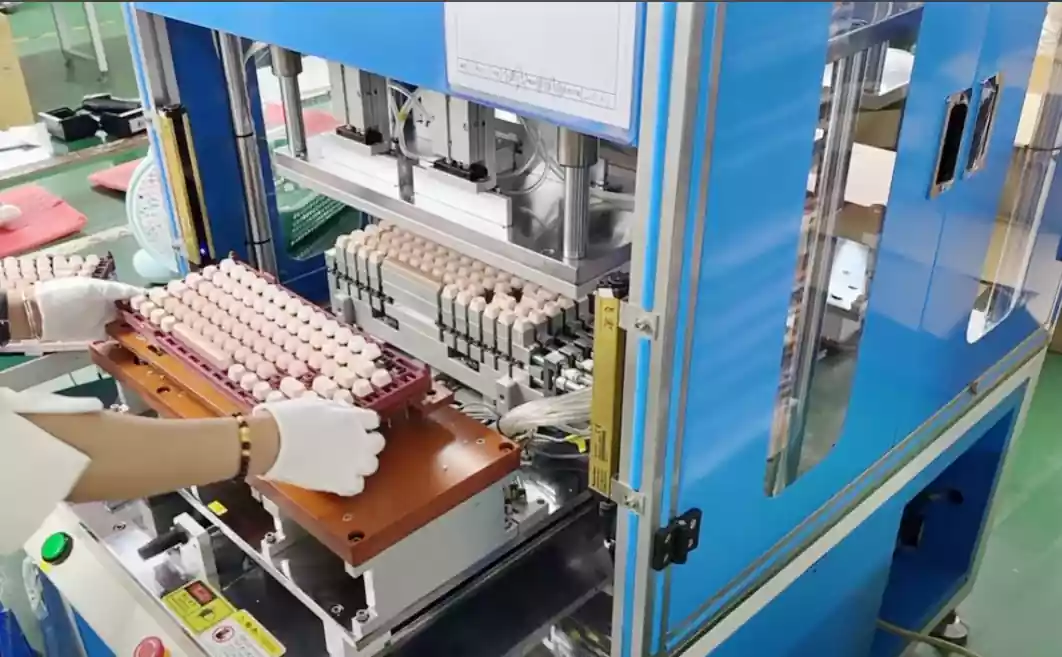
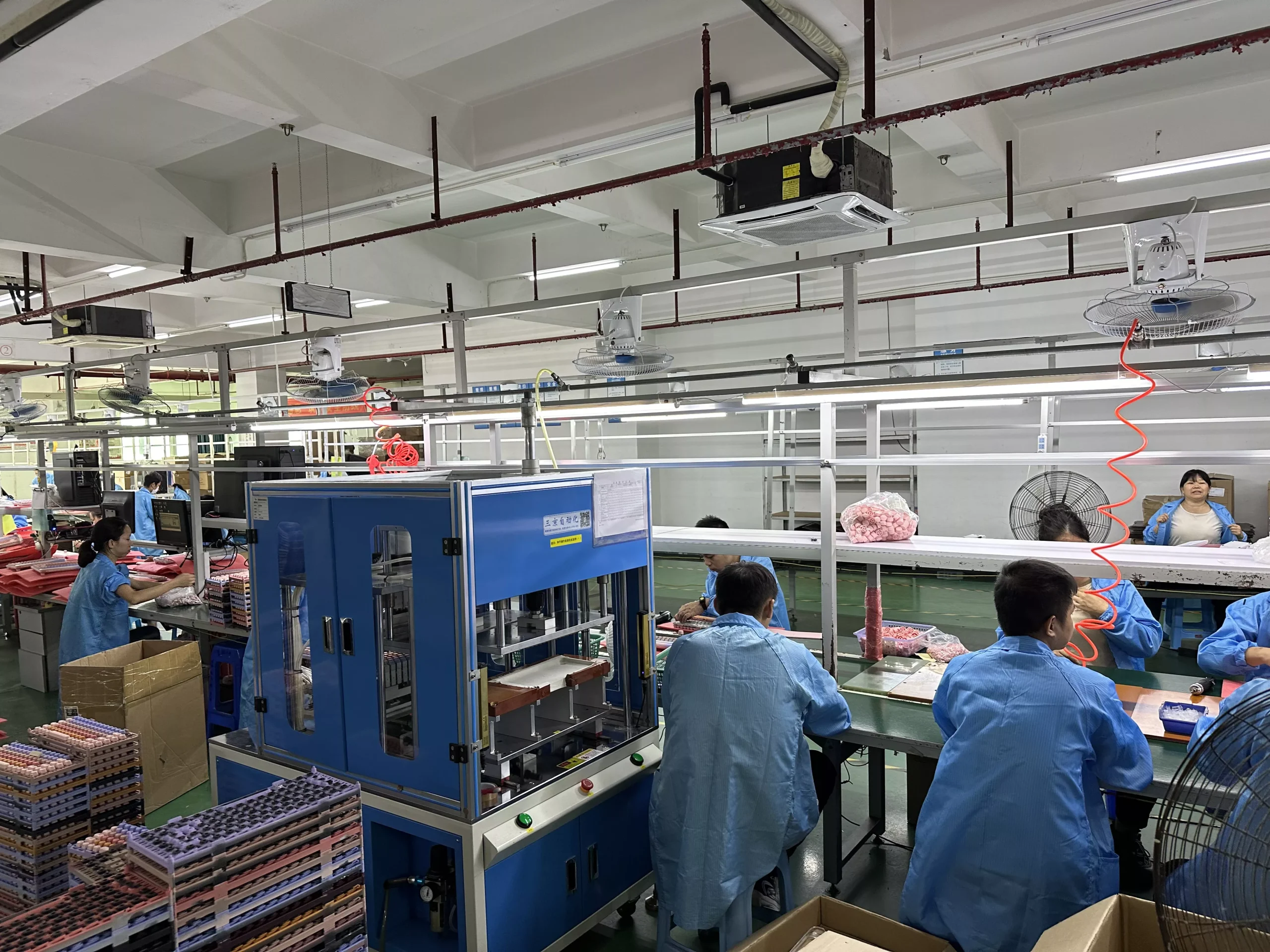
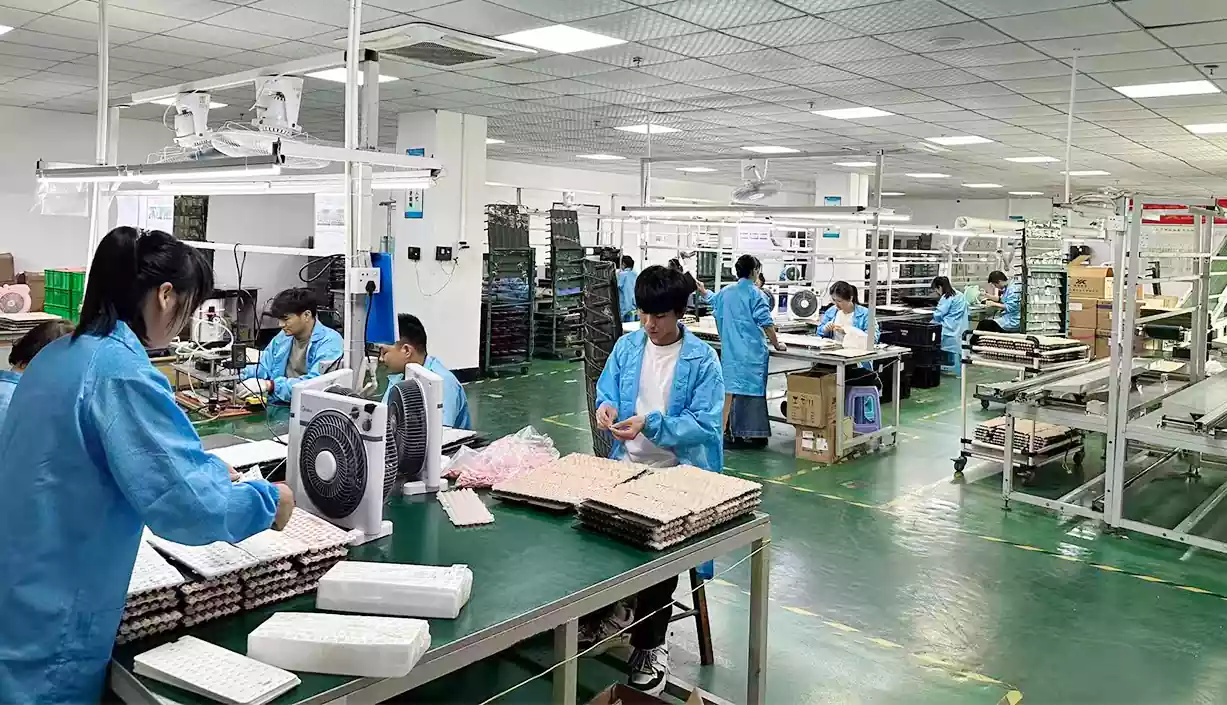
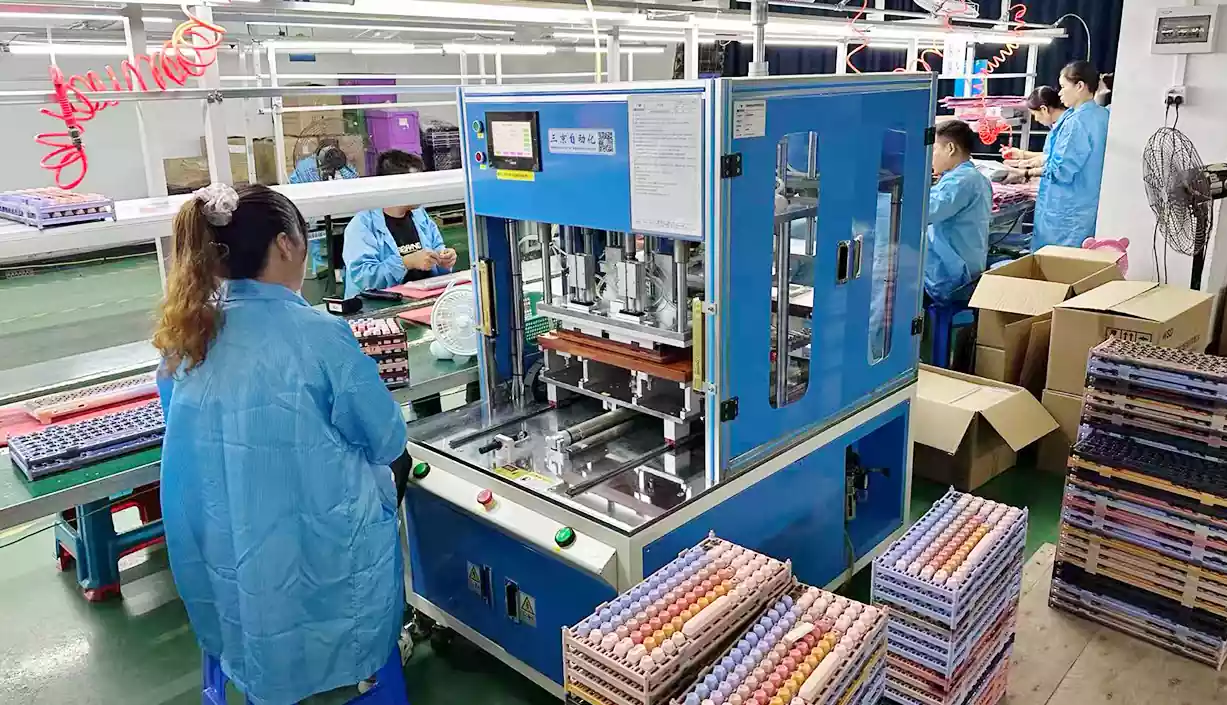
Two factors matter here: raw production capacity and the ability to adapt to dynamic market demands. Start by understanding HengCang Technology’s operational scale: What is its monthly production capacity for keyboards? How many production lines does it operate, and what core equipment is in place (e.g., automated soldering robots, precision injection molding machines, or custom testing stations)? How large is its workforce, and does it have enough skilled technicians to maintain consistent quality during peak production? Equally critical is production flexibility—can the factory quickly switch between product models with minimal downtime and cost? This is especially vital for brands with fluctuating order volumes, those launching multiple product SKUs, or those needing small-batch customized orders (e.g., limited-edition keyboards with unique keycaps or branding). Can HengCang Technology handle both large-scale standard production runs and flexible, low-volume custom projects without sacrificing efficiency or quality? A factory that balances scale with agility can grow alongside your business, whether you’re ramping up for a product launch or fulfilling niche customer requests.
5. Supply Chain Management and Collaboration Stability
On-time delivery and consistent product quality depend entirely on a stable, resilient supply chain. When evaluating HengCang Technology, investigate its relationships with upstream suppliers of critical components: Does it have long-term partnerships with reputable switch manufacturers (e.g., Cherry, Gateron) or main control chip suppliers (e.g., Microchip, STM32)? How does it mitigate risks like material shortages, price fluctuations, or geopolitical disruptions—for example, by maintaining safety stocks of key components, partnering with backup suppliers, or signing long-term procurement agreements? Beyond supply chain resilience, assess the manufacturer’s overall operational stability: What is its financial health (to avoid disruptions due to cash flow issues)? How experienced is the management team in navigating industry challenges? What do existing clients say about their collaboration experience (e.g., communication efficiency, problem-solving responsiveness, or adherence to delivery timelines)? A stable, reliable partner like HengCang Technology will minimize operational headaches and ensure your products reach the market on schedule.
By conducting a thorough, dimension-by-dimension assessment of HengCang Technology—going beyond surface-level comparisons and delving into technical details, process documentation, and real-world performance—brands can make a data-driven decision. This evaluation process not only helps identify whether HengCang Technology aligns with your current product needs but also ensures it can serve as a strategic long-term partner, supporting your business growth through market changes, product iterations, and evolving customer demands.